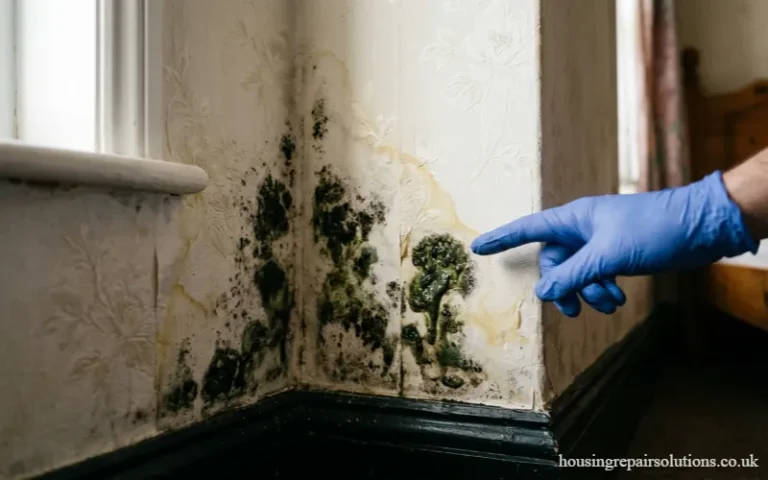


Black mould is not always obvious. It hides behind furniture, creeps under wallpaper, and colonises the coldest, darkest corners of British homes. Many tenants and homeowners only discover they have a problem when someone in the family starts coughing or a faint musty smell refuses to fade. Knowing how do you know if you have black mould comes down to combining careful observation with a few simple checks.
Across thousands of property inspections we have carried out, the early signs are almost always present months before a full-scale infestation develops. You just need to know where to look and what to trust. This guide will walk you through every identification clue you need.
Quick Identification Checklist

| Clue | What to Look For |
|---|---|
| Colour and texture | Slimy black or dark green patches, sometimes with a sooty or powdery surface when dry |
| Musty, earthy smell | Persistent damp soil or wet cardboard odour, often stronger in enclosed spaces |
| Location pattern | Cold external walls, window reveals, bathroom ceilings, behind furniture, under sinks |
| Associated damp signs | Condensation, peeling paint, water stains, soft plaster |
| Health reaction pattern | Coughing, sneezing, or itchy eyes that improve away from home and return upon re-entry |
| Growth speed | Spreads over days to weeks in damp conditions, unlike dust which accumulates slowly |
If several of these signs match your observations, you very likely have black mould. Taking a photograph and dating it can help track progression. For a full breakdown of the health implications, you can review our guide on black mould symptoms.
What Black Mould Looks Like
One of the most direct visible black mould signs is a cluster of dark spots that spread across a surface like a stain. When active and wet, black mould appears slimy, greenish-black, and may glisten under light. When old or dried out, it becomes powdery and sooty. The patches tend to grow in circular patterns, expanding outward as the colony feeds on the moisture and organic material in paint, plaster, or wallpaper.
Black mould is not the same as ordinary bathroom mildew, which tends to be grey and powdery. True black mould identification relies on the combination of colour, slimy texture, and the location: cold, damp, poorly ventilated spaces. If a dark patch on your wall feels cold and clammy to the touch, it is almost certainly mould, not dirt. A simple test is to dab a small area with a cloth dampened with diluted bleach. If the colour lightens or fades rapidly, it is likely mould. However, never rely on bleach as a remediation method for porous surfaces. For advice on safe cleaning, see our guide on removing mould from walls.
The Musty Smell: An Early Warning
Before you see a single black speck, you will often smell it. Mould releases microbial volatile organic compounds that produce a distinctive earthy, musty odour, similar to damp soil, rotting wood, or old wet cardboard. This smell is frequently stronger in poorly ventilated rooms, cupboards, wardrobes, and under-stair spaces.
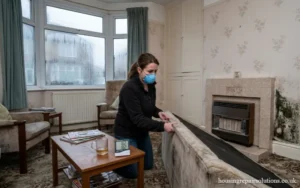
If you notice this odour but cannot find any visible mould, the colony may be hidden behind furniture, under carpets, or inside wall cavities. Pull your sofa a few inches away from the wall, check behind heavy curtains, and open built-in wardrobes. A musty smell that remains after cleaning and airing out the room is one of the most reliable signs of hidden mould.
Where to Look in a UK Home
In British properties, black mould favours predictable spots. The single greatest cause is condensation, which creates a film of moisture on the coldest surfaces in a room. Consequently, the following areas require regular inspection:
- Window reveals and frames, especially in bedrooms and living rooms
- External wall corners where two cold walls meet
- Behind large pieces of furniture placed against outside walls
- Bathroom ceilings and the area around extractor fans
- Kitchen walls near the hob or kettle
- Under sinks and around washing machine connections
- In lofts, on hatch covers, and in eaves with poor insulation
- In cellars and basements, particularly on cold stone or concrete walls
If you lift a rug and find dark staining underneath, or pull back wallpaper to discover black spots on the plaster, you have identified a moisture problem that demands attention. For a wider view on fixing damp issues, our article on fixing a damp house provides long-term solutions.
Health Clues: Your Body as a Detector
If you or a family member experiences persistent coughing, sneezing, itchy eyes, or worsening asthma that improves when you leave the property and returns soon after you come back, the building itself may be the trigger. These symptoms are not coincidences; they are biological responses to airborne spores and mycotoxins. For a detailed explanation of the illness beyond respiratory irritation, our guide on mould toxicity explores the neurological and systemic effects in depth.
Keeping a simple diary for two weeks, noting symptoms and where you spent the day, can provide compelling evidence. Present this record to your GP and, if you rent, to your landlord. It is also valuable documentation for any future housing disrepair claim. You can read about the compensation process in our overview of housing disrepair compensation.
Black Mould vs. Damp Dust
A common area of confusion is the difference between black mould and the black sooty dust that collects around radiators and air vents. Dust is typically dry, crumbly, and evenly spread. It has no slimy texture and does not smell musty. Mould, by contrast, grows in patches, feels damp or sticky, and leaves a stain even after you wipe it. If you scrub a black spot on the wall and it smears rather than dusts away cleanly, you are dealing with mould.
When to Call a Professional
You can spot the obvious signs yourself, but professional help becomes necessary when the mould covers an area larger than one square metre, when it returns repeatedly after cleaning, or when you suspect it is growing inside walls and under floors. A damp specialist or mould surveyor can use moisture meters and borescopes to locate hidden colonies without unnecessary damage. If you are a tenant and your health is suffering, your local council’s environmental health department can also conduct an inspection and, if Category 1 hazards are found, compel your landlord to act. Our guide on landlord mould responsibility explains your rights and the steps you can take.
What to Do Once You Find It
Do not panic, but do not delay. Photograph everything with clear timestamps. Notify your landlord in writing if you rent. Open windows to improve ventilation, but recognise that this is a temporary fix. Address the moisture source: a leak, rising damp, or condensation. For condensation, improving insulation and installing effective extractor fans in the kitchen and bathroom are essential. For small surface patches, a specialist mould spray and a stiff brush can clean it back, but only as a very short-term measure while the damp source is being permanently resolved.

Frequently Asked Questions