
It sucks to live in a rental that has major issues. Problems such as damp, mould or broken heating are not merely a nuisance. They can seriously sabotage your health and well-being.
Your landlord is legally obligated to address these problems. If they fail to do so, you may be able to take housing disrepair action.
This guide tells you your rights as a tenant. We will look at what constitutes housing disrepair, your landlord’s responsibilities and how you can claim compensation.
What Is Housing Disrepair?
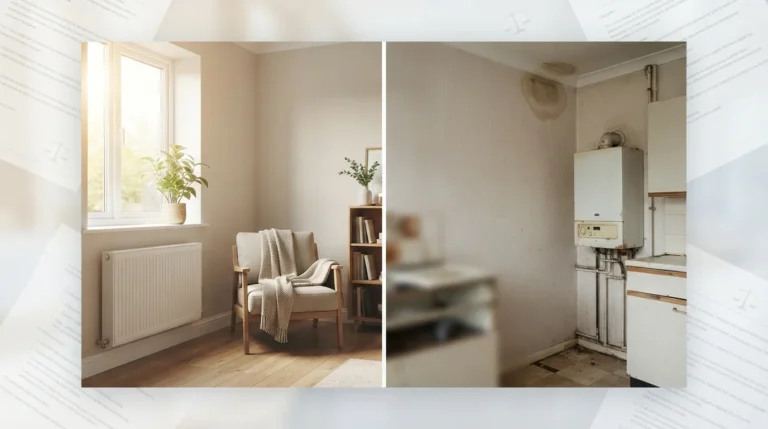
Housing disrepair case study A rented home in a state of disreapair Your landlord should keep your home in good condition. It says the home is not okay for you to live in because it’s unsafe, unhealthy or unsuitable.
This includes issues that the landlord is obligated to fix by law. If those things are not addressed, the property is dilapidated.
Some examples of housing disrepair issues are:
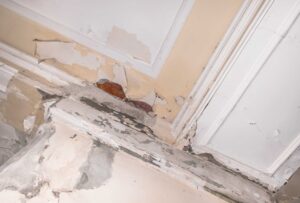
- Damp, mould, and condensation problems.
- Heating systems that aren’t working, or no hot water.
- Leaks from the roof, windows or pipes.
- Hazardous electrical, or gas equipment.
- Clogged drains, sinks or fucked up toilets.
- Vermin infestations (such as rodents or mice).
- Structural issues, like a bad roof or unsafe stairs.
Landlord Responsibilities vs. Tenant Rights
The law is specific on who is responsible for fixes. These responsibilities must first be identified in any claim.
What Your Landlord Must Repair
By UK law, landlords are responsible for upkeep of the property. The main tenants rights include:
- The shape and outside of the building (the walls, roof, windows and doors).
- Heating and hot water systems.
- Water, gas, and electricity installations.
- Sanitation- toilets, sinks and drains.
- Shared spaces within a block of flats, including lifts and stairways.
These responsibilities exist even if your lease agreement does not mention them. They are a legal requirement.
Your Responsibilities as a Tenant
Tenants also have responsibilities. You are expected to:
- Notify your landlord of any disrepair as soon as possible.
- Care for the property in a “tenant-like” manner.
- Take on small tasks, such as replacing light bulbs or smoke alarm batteries.
- Do no harm to the house.
- Permit your landlord to enter for inspections and repairs (with advance notice).
You must report a problem. A landlord is not responsible for a repair until he knows of the need.
Making a Housing Disrepair Claim: The Stages
Should your landlord not respond to your pleas, there are options. Follow these few steps to maintain an effective housing disrepair claim.
Step 1: Write Down the Complaint
You have a duty to tell your landlord there is an issue. Do this in writing.
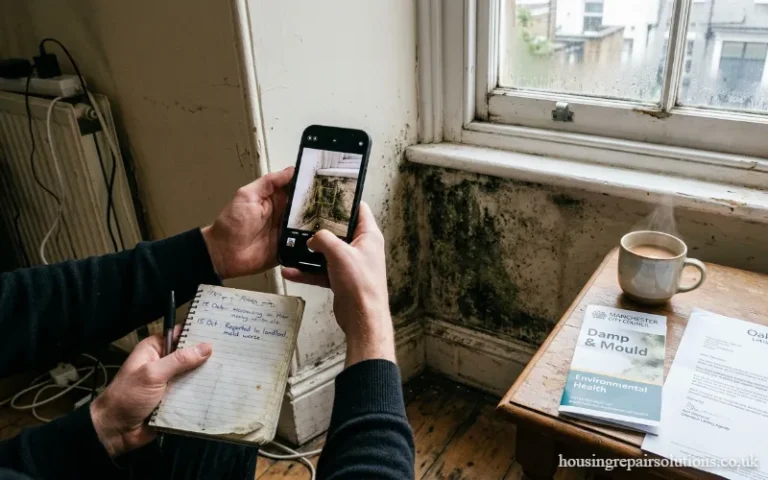
You can email, text or write a more formal letter. This creates a paper trail. Save a copy of every message you send. This is going to be an important piece of evidence for your claim. Explain in no uncertain terms what’s wrong with the problem and how it hurts you.
Step 2: Give “Reasonable Opportunity”“A teacher should have a reasonable time to respond,” Mr. Alexander said.
After you’ve mentioned the problem, give your landlord a “reasonable” period to fix it.
What is reasonable? It depends on the problem.
Urgent repairs: In winter, a busted boiler or major leak is urgent. 24-48 hours may be a fair amount of time.
Non-urgent repairs: A loose window frame or a dripping tap need not be so urgent. This might be 2-4 weeks.
If the landlord doesn’t respond within that time, then you can continue on to step two.
Step 3: Gather Your Evidence
Strong evidence is fundamental to receiving damages—or any compensation for that matter. You should collect:
Proof of reporting: Copies of every letter, email or text you sent to your landlord.
Photographs and videos: See, for example, the disrepair and its impact.
Receipts And Paperwork: Retain receipts for anything that was damaged due to the wreck and subsequent disrepair (e.g. carpets, furniture etc).
Medical notes: A note from a doctor if the disrepair has made you or your family ill.
Additional expenses: Evidence of financial harm, such as high electric bills from relying on portable heaters.
You are also advised to talk to your local council. They can visit your home and send an Environmental Health Officer to look at it. The official report from them is very strong evidence.
Fourth Step: Get in touch with a Housing Disrepair Solicitor
If your landlord still refuses to act, it may be time to seek legal advice. A specialist housing disrepair solicitor can assist.
They will review your evidence. They can write to your landlord using a formal “Letter of Claim.” This legal letter usually results in quick action.
A lot of these solicitors operate on a “no win no fee” policy. This implies no attorney’s fees if loses the case.

What Compensation Can You Claim?
Your claim can yield you damages if it is successful. This is an attempt to return you to the financial place where you would have been.
Housing disrepair compensation is paid in halves.
General Damages
This is for the distress, pain & inconvenience. It masks the anguish of living with a ruin. The sum will be determined by the severity of the problem and how long the ordeal lasted.
Special Damages
This addresses your direct monetary damages. You can claim for:
Damage to your personal belongings.
Earnings lost if you had to need time off work.
Medical costs or prescription charges.
Additional expenses, such as higher heating bills.
The price of your doing the repairs the landlord should have done.
You will need to have receipts or bank statements to verify these losses.

What Is the Time Frame for Filing a Claim?
Prescription available There are prescription periods. This is referred to as the “limitation period.
For most housing disrepair claims, you have six years to make a claim. This period of time begins as of the date from which your landlord failed to act when you notified him.
If it’s a personal injury claim (like your throat was injured due to mold and mildew that you inhaled), the deadline is shorter. You have just three years from when you became aware that the poor condition was responsible for your disease.
Consult your attorney as soon as you can.
Final Thoughts
There is no right to a safe and healthy home. You don’t have to live with disrepair in your home.
Yes, if you know your rights and proceed appropriately. And this can compel your landlord to carry out the work at last. It also gets the compensation that you deserve after all what you have been through.