
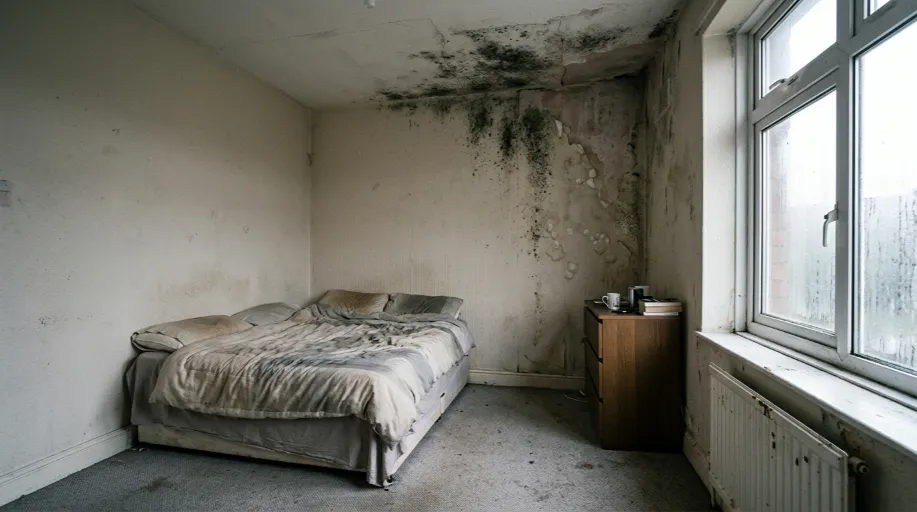
 SPECIALIST DAMP AND MOULD SOLICITORS • NO WIN NO FEE • ESTABLISHED 2005
 Damp And Mould Housing Disrepair Claims Claim Compensation For Damp And Mould Today
Is your home covered in black mould or persistent damp patches and your landlord will not act. Living with these conditions week after week can affect your health, damage your belongings and leave your family feeling ignored. You can launch a formal damp and mould compensation claim to force complete repairs and secure a fair payout, all without paying any upfront legal fees. Our specialist team handles everything from the first survey through to final settlement, so you are never left dealing with an unresponsive landlord alone.
- Genuine No Win No Fee representation
- Free independent damp and mould surveys
- Protect your family from toxic spore exposure
- Over ninety eight percent success rate
- No cost to you if your claim does not succeed
- Nationwide coverage for council, housing association and private tenants
- Landlord repairs forced alongside your payout
Tenants Are Claiming Compensation For Damp And Mould Nationwide
Black mould and persistent damp are among the most reported forms of housing disrepair in the country. Councils and housing associations frequently blame condensation or lifestyle rather than investigating the true structural cause, leaving families exposed month after month.
Our legal panel helps tenants force landlords to carry out proper remedial works and recover fair compensation for the period they were left living in an unfit home, on a genuine No Win No Fee basis.
Risk Free Financial Protection For Every Tenant
Understanding the Severe Symptoms and Warning Signs
Chronic asthma attacks and severe wheezing fits
Persistent chest infections and respiratory problems
Constant skin rashes and eczema flare ups
Severe headaches and ongoing brain fog symptoms
Watery eyes and constant nasal congestion issues
Chronic fatigue linked directly to poor living conditions
Black spores spreading across walls, ceilings or window frames
Reported to the landlord but nothing changed for weeks
If your family shows any of these signs, your landlord has an urgent duty of care to resolve the issue
Types of Damp and Mould Found in Rental Property
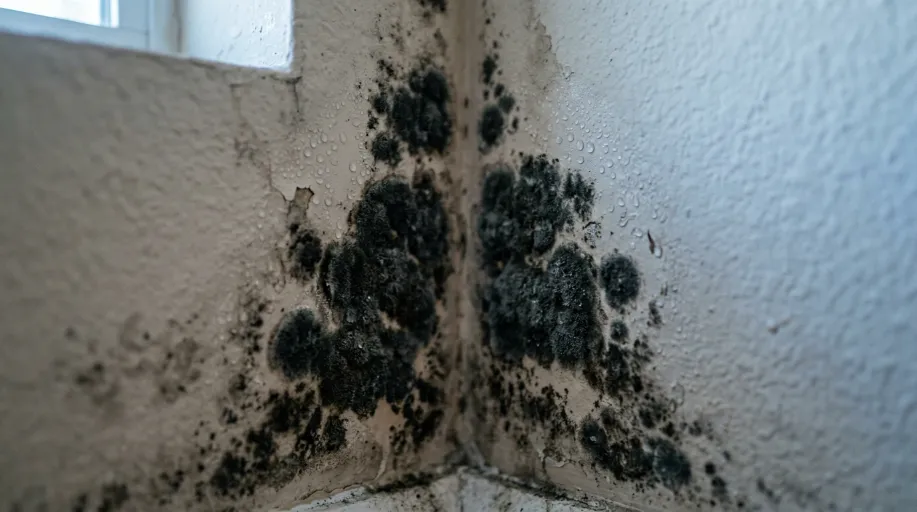
Toxic Black Mould
The most dangerous indoor fungus, spreading quickly across cold structural walls. It leads directly to serious health symptoms and requires professional legal action to resolve safely.
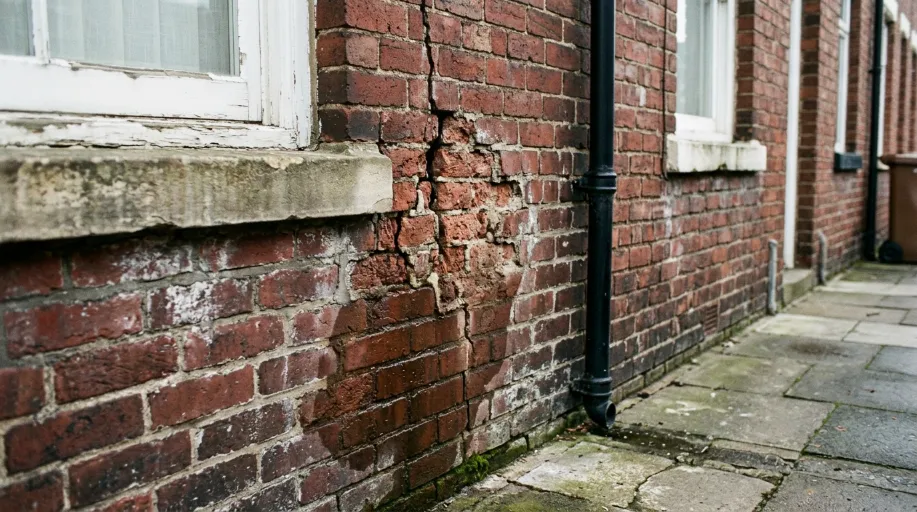
Penetrating Damp
Water entering through external masonry cracks or faulty brickwork. This structural failure causes wet patches and enables heavy mould development on interior plasterboard.
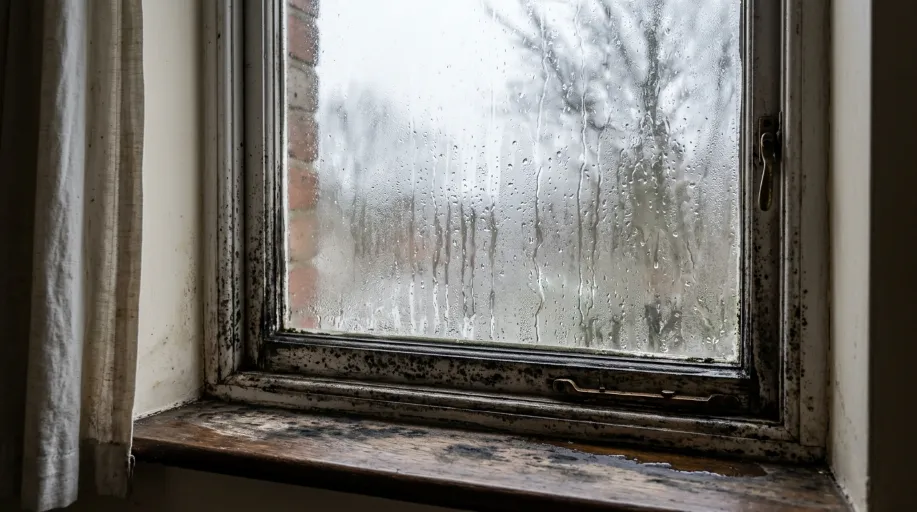
Condensation Damage
Moisture trapped due to inadequate mechanical ventilation or old window seals. Landlords are legally required to install extraction fans and proper ventilation systems.
Your Rights Under Awaab's Law and the Homes Act
The Homes Fitness for Human Habitation Act 2018 makes it a strict legal requirement for all social and private properties to be fit for human occupancy. Under Awaab's Law, social housing providers face fixed timelines to inspect reports of damp and mould and begin remedial works before serious health issues develop.
If your landlord is failing to deal with damp or mould, you are legally entitled to enforce repairs and recover compensation through the court
What the Law Requires
Investigate Promptly
Landlords and councils must acknowledge a reported damp or mould hazard and inspect it within a legally defined window.
Carry Out Repairs
Once a hazard is confirmed, repair work must begin within set statutory timescales, not when convenient.
Keep You Informed
You are entitled to updates on what is being done, and by when, at every stage of the process.
Landlord and Tenant Act 1985, s.11
Sets the baseline repairing obligations every landlord must meet for structure, exterior and installations.
Awaab Law (Social Housing Regulation Act 2023)
Introduces strict new timeframes for social landlords to investigate and fix damp, mould and other hazards.
Homes Fitness for Human Habitation Act 2018
Requires every rented home to be fit to live in at the start of and throughout the whole tenancy.
Average Compensation Payouts
| Severity Level | Estimated Compensation Range |
|---|---|
| Mild disrepair in a single room with minor property damage | £1,500 to £5,000 |
| Moderate disrepair affecting multiple rooms with visible health impacts | £5,000 to £9,000 |
| Severe disrepair causing illness and ruined furniture | £9,000 to £16,000 or more |
How We Handle Your Damp and Mould Claim
Free Assessment
Reviewing your case details within twenty four hours at no cost to you.
Gathering Evidence
Compiling photos and records of every landlord communication about the mould.
RICS Property Survey
Arranging a professional structural review at no cost to you.
Legal Notification
Issuing formal notices and claims to the property landlord.
Forced Repairs
Securing complete remedial works and your final compensation payment.
Why Choose Us For Your Compensation Claim
Specialist Solicitors
Our dedicated housing solicitors have over twenty years of experience forcing social housing providers to execute damp and mould repairs.
True No Win No Fee
You face absolutely no financial risk when starting your claim. Our success fee is capped and agreed transparently beforehand.
Complete Resolution
We do not settle until your landlord completes professional repairs and your home is safe to live in again.
What Our Clients Say About Our Services
“My housing association kept blaming my drying clothes for the black mould in my daughters room. This team arranged a free survey, proved a failed cavity wall, and won me six thousand two hundred pounds plus a full re plaster.”
— Sarah Thompson, London
“Our toddler was constantly wheezing from the mould on his bedroom ceiling. We contacted this team on a no win no fee basis. Within five months our council flat was re plastered and we received four thousand three hundred pounds.”
— Chris Charles, Birmingham
“A highly professional and supportive team. They explained the no win no fee percentage clearly and forced my private landlord to fix a leaking roof causing the damp, paying five thousand eight hundred pounds”
— Rebecca James, Manchester
Common Myths About Damp and Mould Claims
The Myth That Mould Is Always Caused By Drying Clothes
Landlords frequently blame damp on drying clothes indoors. In reality, structural faults such as rising damp or failed cavity wall insulation are the true underlying causes.
The Myth That Tenants Must Leave the Property to Claim
You do not need to vacate your home to pursue a damp and mould claim. You have a full right to remain in your tenancy while we pursue your case.
The Myth That Landlord Budget Excuses Exempt Them
Council budget constraints or housing association waitlists are not valid legal defences. Landlords are bound by strict statutory timelines regardless of financial difficulties.
Recent Claim Successes
Council Flat Disrepair Settlement
A social tenant in Hackney suffered from severe penetrating damp in her kitchen and bedroom for over twelve months. The council constantly claimed it was condensation from cooking. Our expert survey proved a leaking external pipe was to blame.
Private Landlord Dispute Resolved
A young family in private rented accommodation suffered health symptoms caused by blocked exterior gutters overflowing into structural wall cavities. The landlord failed to act for over half a year, so we launched a formal disrepair case.
We Help Tenants Nationwide
Other Housing Disrepair Issues We Take on No Win No Fee
Everything You Need To Know About Claiming Damp And Mould Compensation
A damp and mould compensation claim is the legal route a tenant can take when a landlord has been told about damp or mould in a rented home and has failed to fix the underlying cause. It is separate from simply asking for a repair. The claim looks backwards at the period you were forced to live with the problem and puts a financial value on that suffering, on top of forcing the repair itself. You do not need to have moved out, and you do not need to prove the mould made you seriously ill before you can start. Property damage alone, such as a ruined mattress or peeling plaster, is enough to build a case.
Most tenants only find out a claim is possible once they have already reported the issue three or four times and got nowhere. That delay is not wasted. Every email, photo and phone call becomes part of the evidence file your solicitor uses to show the landlord knew and did nothing.
Claiming Directly Through The Council Compared With Using A Claims Specialist
| Claiming Directly Via Council | Using an A Claims Specialist | |
|---|---|---|
| Who investigates the cause | Council's own contractor, often the same team accused of the failure | Independent RICS surveyor with no link to the landlord |
| Typical response speed | Weeks to months, frequently missed | Formal legal notice usually gets a response within days. |
| Compensation offered | Rarely offered without a formal claim being raised | Assessed properly and negotiated for full value |
| Cost to you | Free but low pressure on the landlord | No win, no fee, no upfront cost |
| Legal weight | Complaint only, no binding deadline in most cases | Backed by the Landlord and Tenant Act 1985 and Awaab's Law |
A damp and mould compensation claim lets a UK tenant recover money for a landlord's failure to fix reported damp or mould, typically between £1,500 and £15,000 depending on severity and duration, pursued on a No Win No Fee basis without needing to leave the property.
How Much Compensation Can You Claim For Damp And Mould?
Payouts are built from two parts. General damages cover the loss of a comfortable home, worked out as a percentage of the rent paid during the affected period. Special damages reimburse actual losses such as ruined furniture, damaged clothing and higher heating bills caused by trying to dry out a cold, damp room.
Compensation By Severity Level
Mild cases, a single room with light surface mould and no health impact, typically settle between £1,500 and £5,000. Moderate cases affecting more than one room, with early respiratory symptoms and some damaged belongings, usually fall between £5,000 and £9,000. Severe cases involving black mould across multiple rooms, documented illness and significant property loss can reach £9,000 to £15,000 or more, particularly where the landlord ignored reports for over a year.
Landlord And Tenant Act 1985 Section 11 Explained
Section 11 of the Landlord and Tenant Act 1985 places a strict duty on landlords to keep the structure and exterior of a rented property in repair, along with installations for water, gas, electricity and heating. Damp caused by a structural defect, a leaking roof or failed guttering falls squarely within this duty. A landlord cannot lawfully point to a tenant's lifestyle as an excuse once a genuine structural or ventilation fault has been identified.
The Housing Health And Safety Rating System And Category 1 Hazards
Damp and mould sit within the twenty nine hazard categories assessed under the Housing Health and Safety Rating System, the statutory method councils use to judge how dangerous a housing condition is. Where an inspection finds a category 1 hazard, the highest severity band, the landlord is under a much stronger legal obligation to act quickly. A category 1 finding is powerful supporting evidence in a compensation claim, even though the rating system itself does not set a payout figure.
Awaab's Law And New Timescales For Social Landlords
Named after Awaab Ishak, a two year old who died from prolonged exposure to mould in a Rochdale housing association flat, Awaab's Law now writes fixed investigation and repair timescales into social housing tenancy agreements. Social landlords that miss these statutory windows are in direct breach, strengthening any compensation claim based on the delay.
The Pre Action Protocol For Housing Disrepair Claims
Before a claim reaches court, the Pre Action Protocol for Housing Conditions Claims sets out the steps both sides must follow. Your solicitor sends a formal letter of claim, the landlord has a defined window to respond and arrange an inspection, and both sides usually instruct a joint expert surveyor. Most claims settle at this stage without ever reaching a courtroom.
How To Start A No Win No Fee Damp And Mould Claim
Starting a claim costs nothing upfront. A conditional fee agreement means your solicitor is only paid if the claim succeeds, and the agreed success fee is capped and explained before you sign anything.
Evidence You Should Start Collecting Today
Photograph every affected room, note every date you reported the problem and to whom, keep copies of any written replies, and see a GP if you or a family member has developed a cough, rash or repeated chest infection since the mould appeared. Photograph damaged belongings before you throw them away, wherever possible.
Why Choose A Claims Specialist Over Going Directly To The Housing Ombudsman?
The Housing Ombudsman can investigate complaints and recommend redress, but it is not designed to negotiate a full compensation figure or force complex remedial works on the same timescale as formal legal action. A claims specialist runs both tracks together, using the threat of court alongside the evidence base to get the repair done and the payout agreed, usually faster than a complaint alone.
Frequently Asked Questions
Can I claim compensation for mould while still living in the property
How much compensation can I get for damp and mould?
Does my landlord have to act if I report mould?
Do I need a doctor's letter to claim for mould related illness?
Can my landlord evict me for reporting mould and starting a claim?
How long do these claims usually take to resolve?
Can my landlord evict me if I launch a disrepair claim?
Can I claim compensation for ruined carpets and clothes?
Ready to Claim Your Compensation with Zero Risk
Get your free, no-obligation damp and mould claim assessment. We work on a genuine no-win, no-fee basis, protecting social and private tenants nationwide.