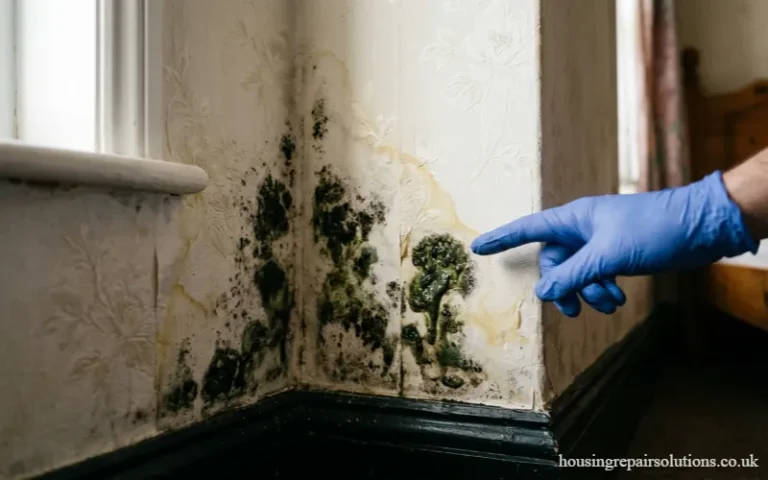

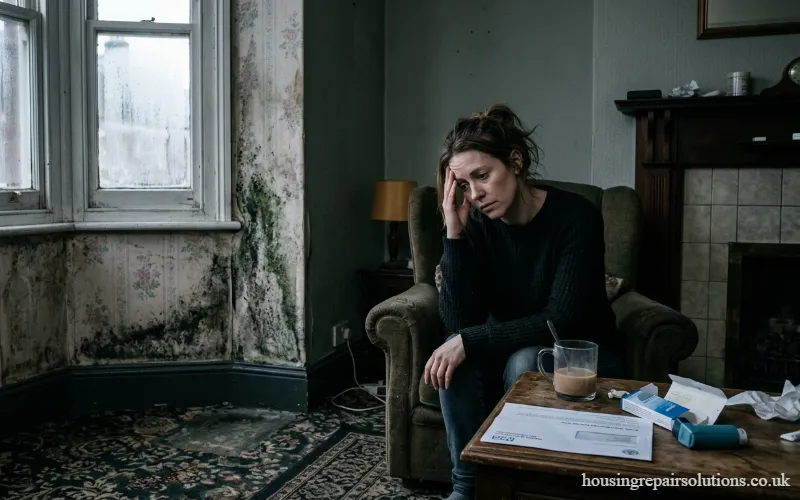
Walk into a severely damp home and the musty smell hits you instantly. But what you cannot see, what you are actually inhaling with every breath, is a cocktail of microscopic spores, fungal fragments and, from certain species, toxic chemical compounds called mycotoxins. Mould toxicity refers to the illness caused not simply by an allergic reaction to spores, but by the poisonous substances that some moulds produce. In UK properties, this issue is increasingly recognised as a serious public health concern.

Are these toxins capable of making you genuinely unwell? The answer, backed by a growing body of clinical research, is yes. While the debate continues on the exact mechanisms, the medical consensus now acknowledges that prolonged exposure to mycotoxins, particularly trichothecenes produced by Stachybotrys chartarum, can cause a wide range of symptoms that go far beyond a sniffle or a cough.
What Are Mycotoxins?
Mycotoxins are secondary metabolites produced by fungi, essentially chemical weapons moulds use to compete with other microorganisms. They are invisible, odourless, and can become airborne attached to spores or dust particles. Once inhaled, ingested, or absorbed through the skin, they can interfere with cellular function, disrupt the immune system, and cause inflammation.
The World Health Organisation recognises that mycotoxins can provoke a toxic response in humans, with effects ranging from acute poisoning to long-term conditions such as immune deficiency and neurological impairment. In a UK home setting, the species most commonly implicated in mould toxicity is Stachybotrys chartarum, often called toxic black mould, though other species including Aspergillus and Penicillium can also produce mycotoxins under certain conditions.
Common Symptoms of Mould Toxicity
| Symptom Category | Specific Effects | Onset |
|---|---|---|
| Neurological | Brain fog, memory lapses, difficulty concentrating, dizziness | Weeks to months |
| Respiratory | Chronic cough, wheezing, chest tightness, recurrent infections | Days to weeks |
| Immune System | Frequent colds, flu-like symptoms, slow recovery from illnesses | Weeks to months |
| Fatigue | Debilitating tiredness, unrefreshing sleep, post-exertional malaise | Weeks to months |
| Musculoskeletal | Muscle aches, joint pain, stiffness | Weeks to months |
| Gastrointestinal | Nausea, bloating, diarrhoea, food sensitivities | Variable |
| Psychological | Anxiety, depression, mood swings, irritability | Weeks to months |
| Skin | Rashes, itching, burning sensations | Days to weeks |
These symptoms of mould sickness often overlap and fluctuate. Many affected individuals report feeling significantly better when away from the contaminated environment, only to relapse within hours of returning. That pattern is a powerful diagnostic clue. For a detailed walkthrough of the early indicators, our guide on the warning signs of mould toxicity is a helpful companion resource.

The Brain Fog Connection
Perhaps the most disturbing aspect of mould toxicity is its impact on cognitive function. Patients describe a feeling of living in a thick mental fog, unable to think clearly, struggling to find words, and forgetting simple tasks. These symptoms can be severe enough to mimic early dementia or chronic fatigue syndrome.
Research published in peer-reviewed journals has documented measurable cognitive impairment in individuals exposed to water-damaged buildings. The mycotoxin trichothecene, specifically produced by Stachybotrys, is known to cross the blood-brain barrier and cause neuroinflammation, oxidative stress, and damage to brain cells. In severe cases, SPECT scans have revealed reduced blood flow to key areas of the brain in affected individuals.
Respiratory and Immune Effects
Mould toxicity does not spare the lungs. Mycotoxins can damage the delicate lining of the airways, causing chronic inflammation. Patients frequently report a persistent dry cough, shortness of breath, and a sensation of tightness in the chest. Repeated exposure can lead to recurrent infections and, in some cases, the development of new-onset asthma.
The immune system is also directly affected. Mycotoxins can suppress the body’s ability to fight off pathogens, leaving victims more vulnerable to colds, flu, and secondary infections. Some individuals develop an exaggerated immune response known as Chronic Inflammatory Response Syndrome (CIRS), a multi-system illness triggered by biotoxins.
How Mould Toxicity Differs from a Simple Mould Allergy
A typical mould allergy involves an IgE-mediated immune response, causing sneezing, runny nose, and itchy eyes. Antihistamines often provide relief. Mould toxicity, by contrast, is a toxicological illness. It affects multiple organ systems simultaneously and does not respond to allergy medications. The symptoms are broader, more debilitating, and can persist long after the exposure ends, as mycotoxins can accumulate in fatty tissue and be slow to clear from the body.
Diagnosing Mould Toxicity
In the UK, the NHS does not yet have a standardised diagnostic pathway for mould toxicity. GPs may be unfamiliar with the condition and may initially investigate for other causes. However, a thorough assessment should include:
-
A detailed environmental history (when did symptoms start? Were you living in a damp home?)
-
Symptom diary (do symptoms improve when away from home?)
-
Blood tests for inflammatory markers and immune function
-
Mycotoxin testing (available through some specialist laboratories, though not yet NHS-routine)
-
Visual contrast sensitivity testing, used in some functional medicine settings
If you believe your health is being affected by mould toxicity, be persistent. Ask your GP for a referral to an immunologist or a specialist in environmental medicine. And crucially, address the source. If you also have other symptoms of mould exposure such as sinus problems or skin irritation, it may help to review the full range of symptoms to present a clearer picture to your doctor.

What UK Law Says About Mould Toxicity
The death of Awaab Ishak in 2020 transformed the national conversation around damp and mould. For the first time, the legal system explicitly recognised that exposure to mould in a home can be fatal. Awaab’s Law, now in force for social housing tenants in England, imposes strict legal timescales: emergency hazards must be investigated within 24 hours, and significant damp and mould must be investigated within 10 working days.
For private tenants, the legal framework remains robust. Under the Homes (Fitness for Human Habitation) Act 2018, a property is not fit for habitation if it poses a risk to the tenant’s health. Landlords have a clear duty to address the underlying causes of damp and mould, as explained in our detailed guide to landlord mould responsibility and tenants’ rights.
If they fail, tenants can bring a housing disrepair claim for compensation covering personal injury, damage to belongings, and loss of enjoyment of the home. A no win no fee housing disrepair solicitor can often take on these cases without upfront costs.
If you are experiencing mould poisoning symptoms and your landlord has not taken adequate action, document everything: photographs, GP letters, correspondence, and any council environmental health report.
Steps to Take If You Suspect Mould Toxicity
-
Identify and address the source of moisture: a leaking pipe, failed damp-proof course, or condensation issue.
-
If you rent, formally notify your landlord in writing.
-
Contact your local council’s environmental health department for an inspection.
-
For significant mould growth, professional remediation is the safest approach. Start by learning how to properly remove mould from walls before attempting any DIY cleaning.
-
Seek medical advice and request that the possible link to your home environment be recorded in your notes.
-
If your health has been seriously affected, consider consulting a solicitor about a housing disrepair claim.
Cleaning surface mould yourself, especially without proper protective equipment, can release large quantities of spores and mycotoxins into the air and may temporarily worsen your symptoms.
Living With the Aftermath
Recovery from mould toxicity can take weeks to months, and in some cases longer. The body needs time to clear accumulated mycotoxins and for inflammation to subside. Some individuals find that their sensitivity persists, reacting to even small amounts of mould in future environments. The experience of living with undiagnosed mould illness can leave lasting psychological scars, adding to the urgency of early recognition and intervention.
The Evidence Is Clear
The debate about whether mould toxicity is real is, for practical purposes, over. The combination of clinical evidence, government recognition, and the tragic real-world consequences has established beyond reasonable doubt that the toxic products of certain moulds can cause serious harm to human health. The priority now is ensuring that every tenant and homeowner in the UK knows these risks, can spot the signs, and understands their rights.
Frequently Asked Questions
Read Also:
- https://housingrepairsolutions.co.uk/damp-mold-compensation-uk/
- https://housingrepairsolutions.co.uk/fix-damp-house/
- https://housingrepairsolutions.co.uk/how-to-prevent-damp-mould-and-repair-claims/
- https://housingrepairsolutions.co.uk/common-housing-disrepair-issues-in-council-and-housing-association-properties/