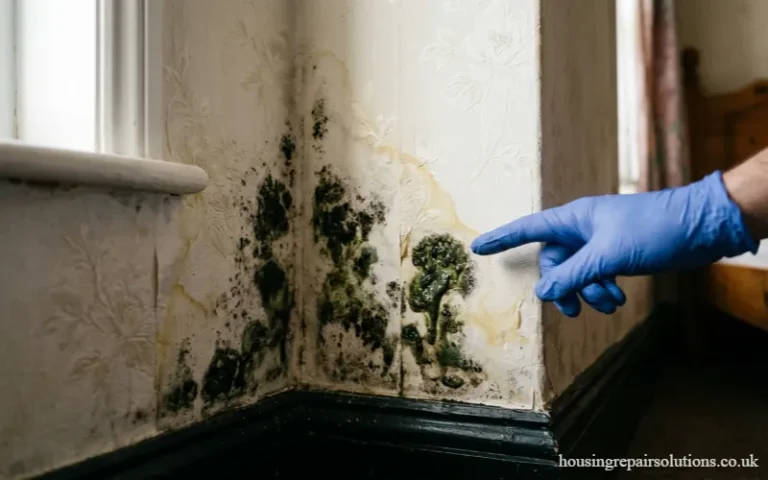


Across thousands of damp and condensation assessments in British homes, from Edinburgh tenements to Cardiff terraces, one worry comes up every single time: “Is this mould making me ill?” The short answer is that symptoms of mould exposure are real, medically recognised, and far more widespread than most people realise. The NHS lists allergic reactions such as sneezing, a runny nose, red eyes, and skin rashes among the common consequences, but the full picture extends much further.
Inhaling mould spores, fragments, and the volatile organic compounds they produce can affect virtually every system in the body. Some people become unwell within hours. For others, low-level exposure over months or years gradually erodes their health until the link to their home environment becomes unmistakable. Understanding these symptoms of mould exposure early can be the difference between a quick fix and a prolonged illness.
At a Glance: Common Symptoms and Timeline

| Symptom Category | Specific Symptoms | Typical Onset |
|---|---|---|
| Respiratory | Coughing, wheezing, shortness of breath, chest tightness | Hours to days |
| Nasal and Sinus | Sneezing, runny nose, blocked nose, postnasal drip | Hours to days |
| Eye | Redness, itching, watering, gritty sensation | Hours |
| Skin | Rashes, hives, eczema flare-ups, burning sensation | Days to weeks |
| Neurological | Brain fog, difficulty concentrating, memory lapses, dizziness | Weeks to months |
| Systemic | Fatigue, headaches, muscle aches, joint pain | Weeks to months |
| Gastrointestinal | Nausea, diarrhoea, bloating, abdominal discomfort | Variable |
This table reflects what we observe clinically and what tenants report to us repeatedly. The key pattern is this: symptoms improve when you leave the property and return within hours of coming back. That correlation is a powerful diagnostic clue.
How Mould Triggers These Symptoms
Moulds produce three main categories of problematic substances. Spores themselves are tiny airborne particles that irritate the airways when inhaled. Fungal fragments, including cell wall components such as beta-glucans, can provoke an immune response. And certain species, including the notorious Stachybotrys chartarum, release mycotoxins: toxic chemical compounds that have been linked to neurological effects, immune suppression, and chronic inflammation.
The British Society for Immunology confirms that mould exposure can trigger allergic reactions and worsen asthma. But the effects are not limited to those with pre-existing allergies. Long-term exposure to a damp indoor environment can, in itself, lead to the development of asthma, according to multiple large-scale epidemiological studies.
Respiratory Symptoms: The First Warning Sign
Most people first notice symptoms of mould exposure in their breathing. A cough that will not shift. A tight chest. Wheezing during the night. You may find yourself using your blue inhaler far more than usual.
The NHS identifies mould as a common cause of allergic rhinitis and a trigger for asthma attacks. But even people with no history of asthma can develop new breathing problems. One study found that individuals living in visibly damp homes were 40 to 50 percent more likely to be diagnosed with asthma.
What to watch for:
- Persistent dry cough, worse indoors
- Shortness of breath on mild exertion
- Wheezing or whistling sound when exhaling
- Repeated chest infections
- Nasal congestion that does not respond to antihistamines
If these symptoms improve noticeably when you are away from the property, mould is a strong candidate.
Neurological and Cognitive Effects
Perhaps the most unsettling symptoms of mould exposure are those that affect the brain. Tenants sometimes tell us they feel like they are “living in a fog”, unable to concentrate, forgetting appointments, struggling to find words. These are not imagined. Mycotoxins produced by certain mould species, particularly trichothecenes from Stachybotrys, are known neurotoxins.
Research published in peer-reviewed journals has documented associations between damp indoor environments and:
- Brain fog and difficulty concentrating
- Short-term memory problems
- Headaches and migraines
- Dizziness or vertigo
- Mood swings and irritability
- Depression and anxiety
The precise mechanisms are still being studied, but the clinical pattern is remarkably consistent. We have heard from tenants who were investigated for early-onset dementia, only for their cognitive symptoms to resolve fully once they moved out of a mouldy property.
Skin and Eye Symptoms
Mould exposure symptoms often show up on the skin. Rashes may appear on the face, neck, hands, and other exposed areas. They can be itchy and red, sometimes resembling eczema or hives. In people with existing eczema, mould exposure is a well-known trigger for painful flare-ups.
Eyes are particularly sensitive. Red, watery, itchy eyes, a gritty sensation, and even blurred vision can all stem from airborne spores and mycotoxins. These symptoms frequently co-exist with nasal and sinus problems, forming a triad that mimics severe hay fever, but year-round.
Gastrointestinal Issues
Less widely recognised is the link between mould and digestive health. Mycotoxins can be ingested when they settle on food or surfaces, and they may disrupt the gut microbiome. Some tenants report:
- Nausea, especially in the morning
- Abdominal bloating and discomfort
- Diarrhoea or loose stools
- Loss of appetite
These symptoms of mould exposure are often mistaken for irritable bowel syndrome or food intolerances, but they improve dramatically when the mould source is removed.

Who Is at Greatest Risk?
Everyone is vulnerable, but some groups face particular dangers. The UK government’s housing health guidance identifies the following as at increased risk of severe health impacts from damp and mould:
- Babies and young children, whose lungs are still developing
- Older adults, especially those over 65
- People with existing respiratory conditions such as asthma and COPD
- Individuals with weakened immune systems, including those on chemotherapy
- People with skin conditions such as eczema
Children living in damp homes are up to three times more likely to suffer from respiratory symptoms, according to NHS data. The tragic death of two-year-old Awaab Ishak in 2020, caused by prolonged exposure to mould in a Rochdale flat, demonstrated the most extreme possible consequence.
When to See a Doctor
If you are experiencing any of the symptoms of mould exposure described above, seek medical advice without delay. Be explicit with your GP. Tell them you suspect mould in your home may be contributing. Ask them to record your symptoms and any diagnosis, because this documentation can be vital evidence in a housing disrepair claim.
Seek urgent medical attention if:
- You are struggling to breathe
- Your asthma symptoms are becoming harder to control
- You have chest pain or a very high temperature
- Your child is wheezing or breathing rapidly
Landlord Responsibilities Under UK Law
If you rent your home in England, your landlord has multiple legal duties to address damp and mould. These obligations include:
- Landlord and Tenant Act 1985 (Section 11): Keep in repair the structure and exterior, including drains, gutters, and external pipes.
- Homes (Fitness for Human Habitation) Act 2018: Ensure the property is fit for habitation throughout the tenancy, including freedom from damp and mould that is prejudicial to health.
- Housing Health and Safety Rating System (HHSRS): Classifies damp and mould as a Category 1 hazard, the most serious, requiring enforcement action by local authorities.
- Awaab’s Law: For social housing tenants in England, binding timescales now apply for the investigation and repair of damp, mould, and emergency hazards. Private tenants are covered by the existing legal framework but may see Awaab’s Law extended in future.
Landlords cannot simply paint over mould and claim the problem is fixed. They must address the underlying cause: condensation, penetrating damp, rising damp, leaking pipes, or inadequate ventilation.
Can You Claim Compensation?
Yes. Tenants who have suffered symptoms of mould exposure due to landlord inaction can bring a housing disrepair claim. Compensation may cover:
- Personal injury (respiratory illness, skin conditions, neurological effects)
- Damage to possessions (clothing, furniture, electronics)
- Inconvenience and loss of enjoyment of your home
- A rent reduction for the period the property was unfit
To strengthen your claim, gather the following:
- Photographs of the mould, dated and timed
- Copies of all correspondence with your landlord or letting agent
- GP records documenting your symptoms
- Any environmental health report from your council
Legal aid or conditional fee arrangements may be available, depending on your circumstances.
Mental Health and Mould
We cannot overstate the psychological impact of living with damp and mould. Government guidance published in 2023 acknowledged that tenants experience significant mental distress, including anxiety, stress, and feelings of helplessness. In our work with affected families, we have seen depression, sleep disruption, and social isolation all stemming from the shame and discomfort of a mouldy home.
If you feel overwhelmed, speak to your GP. The connection between your living environment and your mental wellbeing is real, and addressing the mould can bring profound relief.
Frequently Asked Questions