

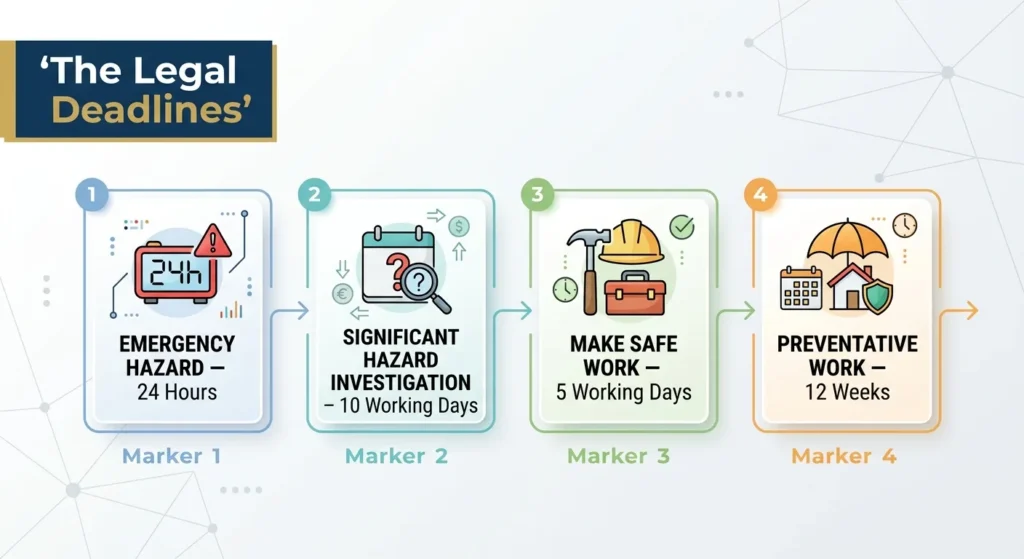
Awaab’s Law sets strict timescales for social landlords in England to deal with dangerous housing hazards. Emergency hazards must be investigated and made safe within 24 hours, while significant hazards must be investigated within 10 working days and made safe within a further 5 working days.
The law is named after Awaab Ishak, a two year old boy who died in 2020 after prolonged exposure to mould in his social housing home. Its purpose is simple: landlords must act quickly when a home could harm a tenant’s health or safety.
The main Awaab’s Law timescales
| Hazard type | What the landlord must do | Legal timescale |
|---|---|---|
| Emergency hazard | Investigate the potential hazard and carry out relevant safety work | Within 24 hours of becoming aware |
| Significant hazard | Investigate the potential hazard | Within 10 working days of becoming aware |
| Significant hazard confirmed | Carry out relevant safety work | Within 5 working days of the investigation ending |
| Emergency or significant hazard confirmed | Begin, or take steps to begin, preventative work | Within 5 working days of the investigation ending |
| Longer term preventative work not started within 5 working days | Begin the work as soon as reasonably practicable | Within 12 weeks of the investigation ending |
These are not simply customer service targets. They are legal requirements for social landlords in England.
What counts as an emergency hazard?
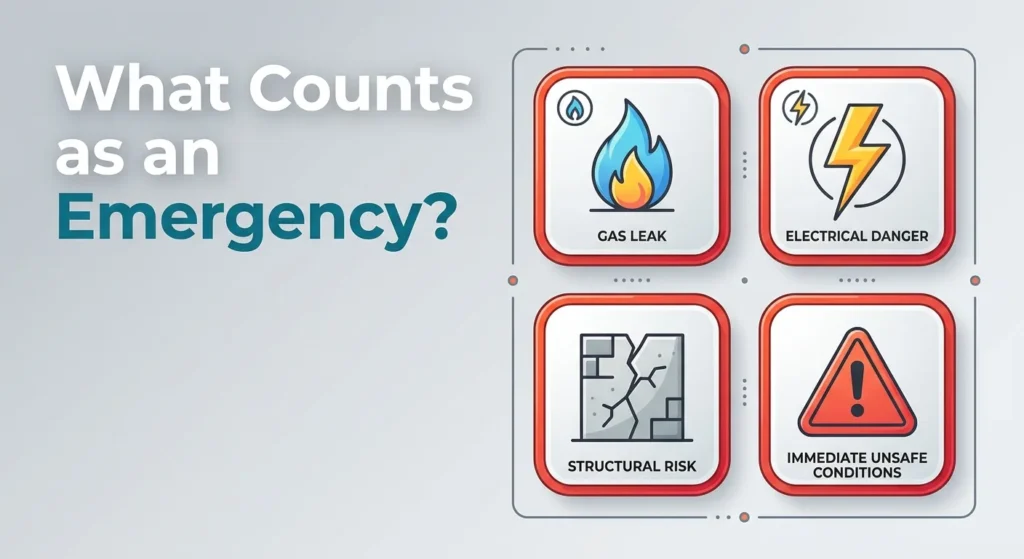
An emergency hazard is a problem that could cause an immediate risk to health or safety.
Examples can include a serious gas leak, major electrical danger, severe structural risk, or a hazard that could quickly make a home unsafe. The exact assessment depends on the circumstances, but the key question is whether delay could put someone in immediate danger.
In practice, the most common mistake is treating a serious problem as a routine repair because it has existed for a while. A landlord cannot ignore an emergency simply because the tenant has reported it before, or because the issue appears manageable during working hours.
If a landlord becomes aware of a possible emergency hazard, the law requires both the investigation and the relevant safety work to be completed within 24 hours. That means the landlord needs a clear out of hours process, not just a daytime repairs team.
What does the 24 hour rule mean?
The 24 hour period starts when the landlord becomes aware of the potential emergency hazard.
It does not necessarily start when the tenant first sends an email if the landlord has not yet received or recognised that report. But once the landlord has reasonable grounds to believe there could be an emergency hazard, the clock starts.
For example, if a landlord receives an urgent report at 2am, it cannot wait until the next working day to begin assessing it. The landlord has 24 hours to investigate and take the safety action needed.
The work does not always need to be a permanent repair within that first day. If a major leak is making a property unsafe, the landlord may need to isolate the supply, make the area safe, or provide temporary protection first. The priority is making the home safe.
The 10 working day investigation rule
A significant hazard is serious, but it may not pose the same immediate danger as an emergency.
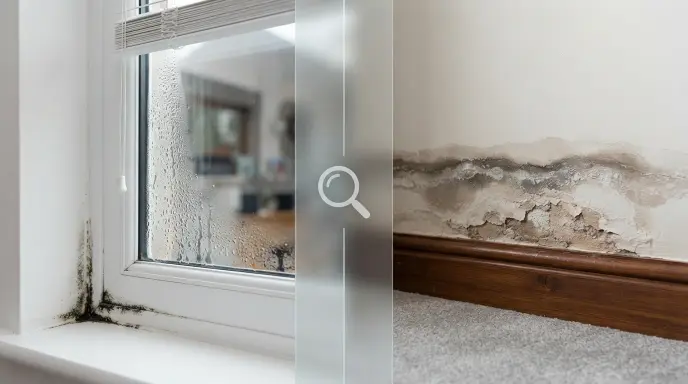
Damp and mould are the most commonly discussed examples. From 30 November 2026, Phase 2 also brings more hazards within Awaab’s Law, including excess cold and heat, fire and electrical risks, structural defects, and falls.
Where a landlord becomes aware of a potential significant hazard, it must investigate within 10 working days.
“Working days” matter here. Weekends and bank holidays do not count. The date the landlord becomes aware is day zero, so the landlord should count forward from the next working day.
What often gets missed is that a landlord cannot simply wait 10 working days and then inspect. If new information suggests the issue may be an emergency, the 24 hour emergency rule can apply instead.
What happens after the investigation?
If the investigation finds a significant hazard, the landlord must carry out relevant safety work within 5 working days.
This is separate from the investigation period. So, in a straightforward case, the landlord may have up to 10 working days to investigate and then a further 5 working days to make the home safe.
That does not mean a landlord should use every available day. If the evidence already shows a serious risk, it should act sooner.
The landlord must also tell the tenant what is wrong and what it plans to do. Under Phase 2, the landlord must provide a written summary within 3 working days of completing the investigation.
Make safe work is not always the full repair
This distinction matters.
“Make safe” work is work needed to remove or reduce the immediate risk. It may involve temporary measures, such as isolating an electrical fault, sealing an unsafe area, or arranging alternative accommodation where necessary.
The permanent repair may take longer, especially if it needs materials, specialist contractors, planning, or major building work.
But the landlord cannot use a long term repair programme as an excuse to leave a dangerous hazard in place. If the home cannot be made safe within the required period, the landlord may need to consider temporary accommodation or another suitable way to protect the tenant.
Longer term preventative work
If an investigation identifies a significant or emergency hazard, the landlord must begin, or take steps to begin, work that prevents it happening again.
That work must begin within 5 working days of the investigation ending.
If that is not reasonably practicable, the landlord must begin the work as soon as reasonably practicable and no later than 12 weeks after the investigation ends.
For example, if repeated mould is caused by an underlying damp problem, clearing visible mould alone is not enough. The landlord must address the cause, whether that involves ventilation, insulation, a leak, drainage, or another building defect.
What if a tenant refuses access?
Access can complicate matters.
A landlord cannot simply miss a deadline because it could not enter the property. It should document its attempts to arrange access, explain why access is needed, and offer reasonable appointment options.
If a tenant refuses access, the landlord should keep clear records and consider whether it can take any safe interim action. The Housing Ombudsman expects landlords to handle access issues fairly and to show what steps they took.
If you are a tenant, it is usually best to respond to access requests, ask for identification if you are unsure, and keep a record of every appointment offered or missed.
Does Awaab’s Law apply to private renters?
At present, the main Awaab’s Law requirements apply to social housing tenants in England.
The government has opened a consultation on extending Awaab’s Law protections to private rented tenancies and licences. That consultation closed on 18 December 2026, so private renters should not assume the same legal timescales currently apply to them.
Private renters still have other rights around repairs, damp, mould, and unsafe homes. But the precise Awaab’s Law deadlines described above should not be treated as automatic private sector rights until new rules are introduced.
A practical decision guide
Use this quick guide if you are trying to work out what should happen next.
| Question | What should happen |
|---|---|
| Could the problem cause immediate danger? | The landlord should investigate and make it safe within 24 hours. |
| Is it a serious but non emergency hazard? | The landlord should investigate within 10 working days. |
| Has the investigation confirmed a significant hazard? | Relevant safety work should be completed within 5 working days. |
| Does the problem need a permanent underlying repair? | Preventative work should begin within 5 working days, or begin within 12 weeks where that is not reasonably practicable. |
| Can the home not be made safe in time? | The landlord should consider temporary accommodation or another suitable protective measure. |
How Awaab’s Law can help
If you are a social housing tenant in England and your landlord has missed an Awaab’s Law timescale, Awaab’s Law can help you understand the evidence you need, put your concerns in writing, and take the next practical step. We support tenants across the UK, with particular attention to local housing standards and landlord responsibilities.
For a confidential review of your housing hazard or repair concern, contact Awaab’s Law & Legislation for advice on your options.
FAQ
What are the timescales under Awaab’s Law?
Emergency hazards must be investigated and made safe within 24 hours. Significant hazards must be investigated within 10 working days, and confirmed significant hazards must be made safe within a further 5 working days.
What must a landlord do within 24 hours under Awaab’s Law?
A social landlord must investigate a potential emergency hazard and carry out the relevant safety work within 24 hours of becoming aware of it. The work may be temporary if that is what is needed to make the home safe.
What is the 10 working day rule under Awaab’s Law?
Where a social landlord becomes aware of a potential significant hazard, it must investigate it within 10 working days. Weekends and bank holidays do not count, and the date the landlord becomes aware is day zero.
What happens after an Awaab’s Law investigation?
If the investigation identifies a significant hazard, the landlord must carry out relevant safety work within 5 working days. It must also provide a written summary of what is wrong and what it will do within 3 working days of completing the investigation.
Does Awaab’s Law cover damp and mould?
Yes. Significant damp and mould hazards are covered. The landlord must investigate within 10 working days and carry out relevant safety work within 5 working days if the investigation confirms a significant hazard.
Does Awaab’s Law apply to private renters?
Not yet in the same way. The main requirements currently apply to social housing tenants in England, although the government has consulted on extending similar protections to private rented homes.
Closing thought
The deadlines matter, but so does the order of action. A landlord should not wait for a hazard to become an emergency before taking it seriously.
If you have reported damp, mould, a leak, electrical danger, or another housing hazard, keep dated photographs, messages, repair references, and notes of every visit. Those details make it much easier to show what was reported, when it was reported, and whether the landlord acted within the required timescale.