

Choose the Housing Ombudsman if your main aim is a free, independent review of a social landlord’s complaint handling or repairs service. Choose a solicitor if you need legal action for housing disrepair, significant compensation, an enforceable court order, or help with serious disrepair affecting health and safety. In many cases, the routes are not mutually exclusive.
What each route does
The Housing Ombudsman investigates complaints from residents of landlords who are members of its Scheme, including councils and housing associations. It looks at issues such as property condition, repairs, complaint handling, charges, estate management and antisocial behaviour affecting the home.
A solicitor does something different. They assess whether your landlord has breached a legal duty, advise on evidence and remedies, negotiate settlement, and issue court proceedings if needed. A housing disrepair claim is a legal claim, not simply a complaint about poor service.
So, the question is not always “which one is better?” It is: what outcome do you actually need 
The free route: Housing Ombudsman
The Ombudsman is free and impartial. It cannot act as your personal representative, but it can investigate whether the landlord acted fairly, followed its own procedures and addressed the issue properly.
You normally need to complete your landlord’s complaints process first. If the landlord does not respond within its stated timescales, or you remain unhappy after its final response, you can refer the matter to the Ombudsman.
The Ombudsman can order remedies such as repairs, an apology, compensation, a service review or changes to the landlord’s processes. But it is important to be realistic: its awards are often modest, and the process can take time.
When it fits best
For example, if you reported a leaking roof months ago, the landlord arranged one incomplete visit, then stopped communicating, the Ombudsman may be the right first escalation. It can examine both the underlying repair issue and the way your complaint was handled.
The paid route: housing solicitor
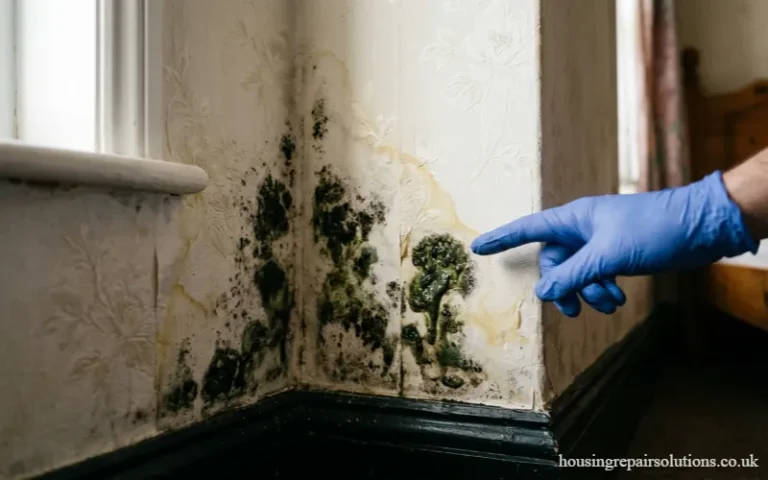
A solicitor is appropriate when the problem is more than an administrative failure. Damp, mould, leaks, heating failures, unsafe electrics, structural defects and pest problems can all become legal issues where they affect habitability, health or safety.
The government notes that a tenant may qualify for legal aid for a disrepair claim where the disrepair poses a serious risk to health or safety and the tenant meets financial eligibility tests. It also explains that tenants can represent themselves, instruct a solicitor or direct access barrister, or use a claims management company.
A solicitor can arrange an independent survey, send a formal letter before claim, calculate damages, negotiate with the landlord and apply to court for repairs and compensation. Where the landlord refuses to carry out necessary work, a court order can be more forceful than an Ombudsman recommendation.
When it fits best
In practice, the most common mistake is waiting until the property has deteriorated badly before taking legal advice. Keep photographs, repair reports, texts, emails, appointment records and medical evidence from the beginning. What often gets missed is that contemporaneous evidence matters more than a long, emotional account written after the event.
Free vs paid: the real differences
Costs: “no win, no fee” is not always free
Many people assume a no win no fee agreement means they will never pay anything. It does not necessarily work that way.
If the claim succeeds, the solicitor may charge a success fee, usually calculated as a proportion of compensation. You may also need to cover expenses such as an independent surveyor’s report or after the event insurance. If the claim fails, the solicitor may not charge for their time, but the court can sometimes order a tenant to pay the landlord’s costs, depending on the circumstances and the protections in place.
Before signing anything, ask the firm to state:
A good solicitor will explain these points in writing. A firm that pressures you to sign quickly, discourages you from allowing repairs or inspections, or promises a specific payout should raise a warning sign.
Can you use both?
Yes. A tenant can complain to the Ombudsman and separately take legal advice about a housing disrepair claim. The Ombudsman route may secure accountability and service improvements, while a solicitor can assess whether compensation or a court order is appropriate.
The key is to avoid creating confusion. Tell each organisation what you have already done, provide an accurate timeline, and do not exaggerate or withhold information. If court proceedings become necessary, both sides are expected to follow the Pre-Action Protocol for Housing Disrepair, which encourages early information exchange and attempts to resolve the matter before litigation.
A simple decision guide
Ask yourself these questions in order.
Private tenants: an important exception
The Housing Ombudsman is primarily for residents of member social landlords. Private tenants generally have different routes, including reporting serious hazards to their local council and bringing a County Court claim for disrepair.
The government is introducing a Private Rented Sector Landlord Ombudsman service, expected to go live in 2028, which will investigate certain private tenant complaints about landlord actions, standards and repairs. Until then, private tenants should not assume the current Housing Ombudsman will deal with their landlord.

How Housing Repair Solutions can help
Housing Repair Solutions helps tenants understand their options before they commit to a costly or stressful route. We can review the timeline, identify the evidence needed, explain when an Ombudsman complaint is appropriate, and help you decide whether legal advice is needed. If you are dealing with damp, mould, leaks, heating problems or an unresponsive landlord in England, contact our housing team for a clear, no-pressure assessment. For issues that are difficult to see or diagnose, our hidden mould detection service in the UK can help identify the source of the problem.
FAQs
Should I use the Housing Ombudsman or a solicitor?
Use the Housing Ombudsman for a free review of a social landlord’s complaint handling or service failure. Use a solicitor when you need legal action, substantial compensation, an enforceable repairs order, or advice about serious disrepair affecting health or safety.
Is the Housing Ombudsman completely free?
Yes. The Housing Ombudsman Service is free for residents to use. You do not pay a fee to submit or progress a complaint, although you may choose to pay for independent advice or representation separately.
Do I need to complain to my landlord first?
Usually, yes. The Ombudsman expects you to complete the landlord’s complaints process, although it can help where the landlord has not responded within its own policy timescales.
Can I claim compensation for damp and mould?
Possibly. Compensation depends on the severity of the problem, how long it lasted, whether you reported it, the landlord’s response and any effect on your health or belongings. A solicitor can assess whether a legal claim is appropriate.
Can I use a solicitor after a Housing Ombudsman complaint?
Yes. An Ombudsman complaint does not automatically prevent you from taking legal advice or bringing a separate housing disrepair claim. Keep copies of the complaint, landlord responses and Ombudsman decision.
Does the Housing Ombudsman deal with private landlords?
Not usually at present. It mainly handles complaints about member social landlords. Private tenants can report serious hazards to their local council or consider a County Court claim, while a new private rented sector ombudsman is expected in 2028. Housing Repair Solutions provides further guidance on housing repair concerns and tenant options.