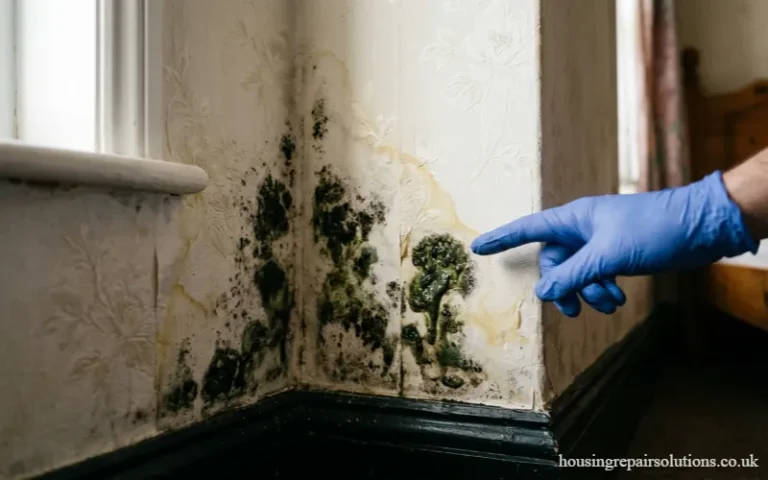

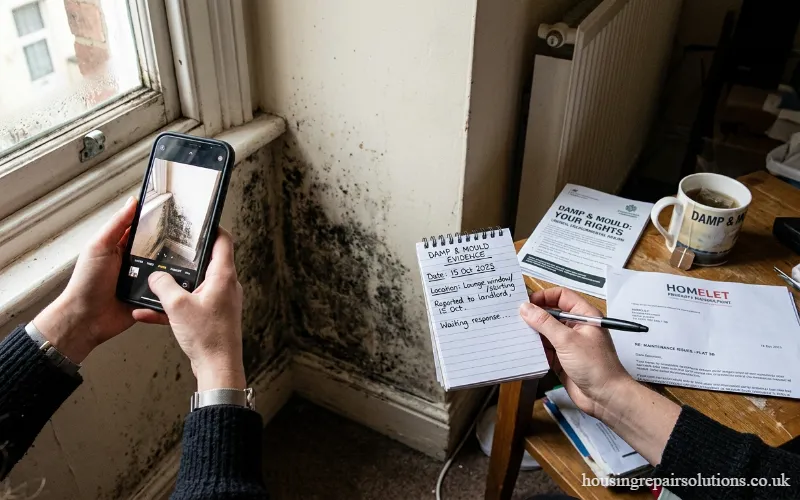
Hidden mould detection UK is one of the most important skills any homeowner or landlord can master. In our experience carrying out damp surveys across thousands of UK properties, from Victorian terraces in Manchester to post-war flats in Glasgow and new-build estates in Birmingham, hidden mould often grows undetected behind walls, under floors and inside cavities for months or even years before it becomes visible or causes noticeable health problems.
Professional hidden mould detection UK combines simple observation with the right tools and, when necessary, qualified expertise. The goal is always the same: locate the source of moisture before mould spores spread further and damage your home or affect your family’s health.
Professional Hidden Mould Detection UK Checklist
| Detection Method | DIY Friendly | Typical UK Cost | Accuracy for Hidden Areas | Best Used For |
|---|---|---|---|---|
| Visual inspection + torch | Yes | Free | Low | Obvious corners, behind furniture |
| Moisture meter | Yes | £20–£150 | High on surfaces | Walls, floors, skirting, plaster |
| Thermal imaging camera | Limited | £199–£600 per survey | Excellent | Cavities, behind walls, insulation |
| Borescope inspection | No | Included in pro survey | Very high | Inside wall voids and under floors |
| Air or surface sampling | No | £150–£400 | Laboratory confirmed | Confirming mould species and levels |
Hidden mould detection UK works because mould cannot grow without excess moisture. The latest official guidance on damp and mould confirms that a persistent musty smell with no visible growth almost always points to hidden mould behind surfaces such as wallpaper, panelling or ceiling tiles.
Why Finding Hidden Mould Matters for Health and Property
Hidden mould releases microscopic spores that irritate the airways, worsen asthma and trigger allergic reactions even when you cannot see any growth. Children, older people and anyone with existing lung conditions are especially vulnerable. Detecting hidden mould also protects the fabric of your building. Untreated moisture leads to rotting timber, crumbling plaster and reduced insulation performance, which in turn increases heating bills.
Landlords have a clear legal duty under the Homes (Fitness for Human Habitation) Act 2018 to address any Category 1 hazard identified through proper detection. Tenants who notice a musty odour or damp patches should report the issue in writing straight away so the landlord can arrange a survey. For full details on landlord responsibilities read our damp and mould claims guide.
DIY Methods to Locate Mould in Home UK – Step by Step
You can carry out effective detection yourself with basic equipment and a systematic approach. Begin in the evening when lights are low and use a bright torch to scan every cold external wall, corner and junction between walls and ceilings. Look for water stains, peeling paint, blistering wallpaper or dark spots that may have been painted over.
Next, use a moisture meter. Start with the pinless mode to scan large areas quickly, then switch to pin mode on any high readings to confirm exact moisture levels. Anything consistently above 20% on plaster or 18% on timber indicates a problem. Pay special attention to areas behind kitchen units, under bathroom sinks, around window reveals and along the bottom of external walls.
Move furniture away from walls by at least 10 cm and check the hidden surfaces. In our experience, many cases are solved simply by discovering that a wardrobe or bed has been pushed hard against a cold external wall, trapping moisture.
A final DIY check is the smell test. Close all doors and windows for 30 minutes, then re-enter the room. A strong earthy or musty odour that disappears when you open windows strongly suggests hidden mould growth somewhere in the structure.
These DIY steps are free or low-cost and often reveal the source before you need to spend money on professionals. However, they have limitations. Moisture meters cannot see behind thick insulation or deep inside cavities, which is why many homeowners eventually move to professional surveys.
Professional Mould Detection Tools UK Surveyors Use
When DIY methods are inconclusive or you need evidence for insurance, legal action or a landlord dispute, professional expertise becomes essential. Qualified surveyors holding CSRT or RICS credentials use a combination of tools for accurate results.
Thermal imaging cameras are the star of modern surveys. They detect temperature differences caused by evaporating moisture, revealing cold patches behind walls or under floors that are invisible to the naked eye. We have used thermal imaging on hundreds of UK homes and it consistently uncovers damp patterns that moisture meters miss.
Borescopes allow surveyors to look inside wall cavities and under floorboards through tiny inspection holes that are easily repaired afterwards. Some advanced surveys now include DNA air sampling that can identify specific mould species even when growth is completely inaccessible.
A full professional survey typically costs between £300 and £800 depending on property size and the number of samples required. Basic thermal imaging surveys for homeowners start from around £199. Industry bodies recommend this professional approach for anything more complex than surface condensation.
When to Book a Professional Survey
Book experts immediately if you smell mould but see nothing, if moisture meter readings remain high after basic ventilation improvements, or if anyone in the household develops persistent respiratory symptoms. Landlords should never delay when tenants report these signs.
For homeowners, a professional report provides the documentation needed for insurance claims, disputes with builders or when selling the property. Surveys carried out by a qualified surveyor carry far more weight than DIY findings in any legal or insurance context.
Never attempt to cut corners with cheap unaccredited “mould inspectors”. Proper detection requires training, calibrated equipment and an understanding of building construction that only accredited professionals possess.
What to Do After Successful Detection
Once the hidden mould has been located, the priority is always to fix the source of moisture first. This might involve clearing blocked gutters, improving extractor fan performance, adding insulation or repairing a leaking roof. Only after the moisture source is eliminated should you proceed with mould removal.
For small areas that are now accessible, follow the safe cleaning methods in our black mould remedies UK guide. Larger or more complex contamination requires professional remediation. After treatment, re-test the area with a moisture meter at regular intervals for at least six weeks to confirm the problem has been resolved.
Tenants should keep written records of every step, including dates of reports to the landlord and copies of any survey reports. This documentation is essential if you later need to involve the local council environmental health team or claim compensation. Use our housing disrepair compensation calculator to estimate potential claims.
Common Mistakes That Undermine Detection
Many people paint over stains or use bleach without addressing the root cause. Others rely solely on air fresheners or dehumidifiers while the mould continues to grow behind the scenes. Another frequent error is assuming that because there is no visible growth there is no problem. Professional surveys prove time and again that the most dangerous mould is the kind you cannot see.
Regional Differences Across the UK
Rules and expectations vary slightly across the UK. In England the Homes (Fitness for Human Habitation) Act 2018 and HHSRS apply directly. Scotland operates under the Repairing Standard, which also requires properties to be free from damp and mould that affects health. Wales has parallel fitness for habitation requirements. Always check the specific guidance for your nation when dealing with landlords or local authorities.
Prevention After Detection
Once you have successfully completed detection and fixed the issues, maintain good habits. Wipe condensation from windows every morning, run extractor fans for at least 20 minutes after showering or cooking, and leave a small gap between furniture and external walls. Our home maintenance checklist provides a simple seasonal routine that prevents recurrence.
For landlords, regular professional inspections and prompt repairs protect both tenants and your investment. For homeowners, investing in good ventilation and insulation from the start is far cheaper than repeated surveys.
Hidden mould detection UK does not have to be complicated or expensive. Start with the simple steps in this guide, use the right tools for your situation, and call qualified professionals when the evidence points to hidden growth. Acting early protects your health, your home and your peace of mind. For urgent issues or to explore all housing disrepair options we handle, visit our see all housing disrepair issues page.
Frequently Asked Questions