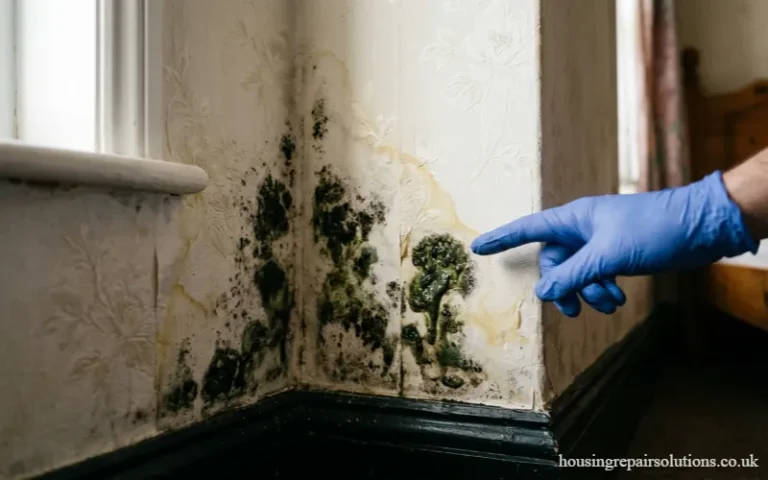

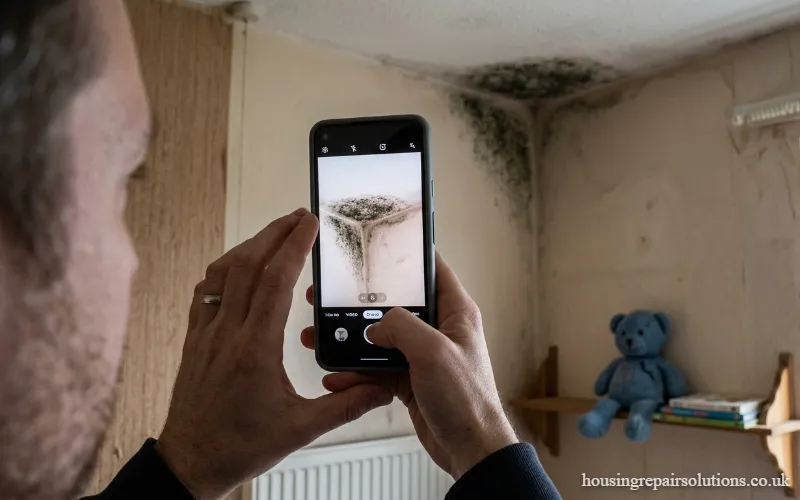
Black mould exposure is a genuine worry for thousands of UK tenants every winter. In our experience across Victorian terraces in Manchester, post-war flats in Birmingham and tenements in Glasgow, the key to staying healthy lies in swift, informed action that protects both you and your legal position.
Immediate Tenant Actions for Black Mould Exposure
| Step | Action | Details |
|---|---|---|
| 1 | Document everything | Photograph the mould, note dates, locations and any health symptoms. Keep copies of all messages to your landlord. |
| 2 | Report in writing | Send a formal letter or email to your landlord or agent immediately. Use a template from Shelter or Citizens Advice and request a damp survey. |
| 3 | Clean small areas safely | Wear a mask, gloves and goggles. Use a dedicated mould and mildew remover on hard surfaces. Wipe, rinse and allow to dry fully. Avoid bleach as it fails to kill spores. |
| 4 | Improve daily habits | Open windows for ten minutes twice a day, run extractor fans, cover pans while cooking and dry clothes outdoors or in a vented dryer. |
| 5 | Monitor and follow up | If mould returns within six weeks, contact your landlord again and keep records. |

Black mould, often Stachybotrys chartarum, releases spores that irritate the airways, eyes and skin. The latest gov.uk guidance from April 2026 confirms links to worsened asthma, allergic rhinitis, cough, wheeze and, in rare severe cases, lung infections such as aspergillosis. Vulnerable groups, including children, older people and those with existing lung conditions, face higher risks. Mental health effects from living in a damp home are also well documented.
Your Legal Rights as a UK Tenant
Every rented home must be fit for human habitation during the tenancy as per the Homes (Fitness for Human Habitation) Act 2018. If a property has persistent damp and mould that otherwise constitutes a Category 1 hazard under HHSRS, the property is not legally fit for human habitation. Landlords are not entitled to tell you to make it go away or to frame it in terms of lifestyle. The underlying problem needs to be found and fixed whether that is poor ventilation, missing insulation, leaking gutters or rising damp.
Reach out to your local council’s environmental health department if the landlord fails to respond. An officer has the authority to inspect, issue an improvement notice and in serious instances institute prosecution or carry out works himself/herself. In England you can also claim through the county court for damage to your possessions, health problems or extra costs such as running a dehumidifier. If you live outside of England, check your nation-specific advice – Scotland has the Repairing Standard and Wales has its own fitness rules.
Safe Ways to Clean Small Areas of Black Mould Yourself
Tenants can proactively manage tiny areas of surface condensation mould with safe treatments. Opt for a commercial mould and mildew cleaner instead of bleach. Apply as per the label, leave for the recommended time, rinse and completely dry the area. Cleaning cloths should be disposed of in a bag. It is essential to wear PPE in a well-ventilated area. Never scrape or sand a mould without protection as this releases more spores.
Ultimately, heavily affected absorbent materials such as carpets, curtains or plasterboard should usually be replaced. If the cause of the damp is structural, your landlord is responsible for this.
When to Call in Professionals for Mould Remediation
If you’ve got any patch larger than one square metre, mould behind furniture or recurring growth after cleaning, it’s time to call in the professionals. Contaminated plaster removal as required and HEPA-fitted treatment in containment by qualified remediators. The cost for small bathroom nibbling is about two hundred pounds or more for a whole room. Where the landlord is responsible for the damage, he must arrange and pay for the work.
We have seen scenarios when defects were not fixable anymore due to delayed professional intervention so were very expensive to fix. Early reporting stops this escalation.
Protecting Your Health While Waiting for Repairs
Minimize your exposure while the landlord arranges work. Use the dehumidifier in the driest setting, maintain steady heating rather than intermittent, and keep a small gap between furniture and external wall. Do see your doctor as soon as possible if you have a persistent cough or wheeze. Let them know about the mould exposure so that appropriate tests or treatment can be considered. Both the NHS and the UK Health Security Agency do not have any proven medical “detox” protocol. The best way to combat them is to remove their sources and improve indoor air quality.
Keeping Black Mould Out of Rented Properties.
After the repairs are complete, don’t lose the habit. Make sure to wipe windows daily Make use of a trickle vent if already present. Don’t pack wardrobes tightly against cold walls. If, after following these suggestions, your home continues to feel damp, speak with your landlord about enhancing insulation or ventilation under the Decent Homes Standard or minimum requirements of the EPC.
Frequently Asked Questions
Read Also