
Awaab’s Law Phase 2 kicks in on 30 November 2026, bringing seven new hazard categories under fixed repair deadlines for social housing tenants in England. These cover excess cold, excess heat, falls, structural collapse, fire and explosions, electrical hazards, and domestic hygiene issues including pests. Landlords must investigate within set timescales and repair before deadlines that range from 24 hours to 12 weeks depending on severity.
What’s actually changing on 30 November 2026
Social landlords in England are about to pick up a much heavier legal obligation. From this date, seven new hazard categories join damp and mould under Awaab’s Law’s fixed repair timescales. That’s excess cold, excess heat, falls, structural collapse and explosions, fire hazards, electrical faults, and domestic hygiene problems that stretch all the way from pest infestations to inadequate cooking facilities.
The government confirmed this date back in July 2026 when the regulations were laid before Parliament. A few guidance pages had floated an earlier date of 27 October 2026, which caused some confusion. The official position now is firm: 30 November 2026.
How the rollout is phased
Awaab’s Law isn’t landing all at once. It’s arriving in three stages, each one pulling more hazard types under enforceable deadlines.
| Phase | Start date | What’s covered |
|---|---|---|
| Phase 1 | 27 October 2025 | Emergency hazards and all damp and mould hazards |
| Phase 2 | 30 November 2026 | Seven additional HHSRS hazard categories where they pose a significant risk of harm |
| Phase 3 | October 2027 | All remaining HHSRS hazards except overcrowding |
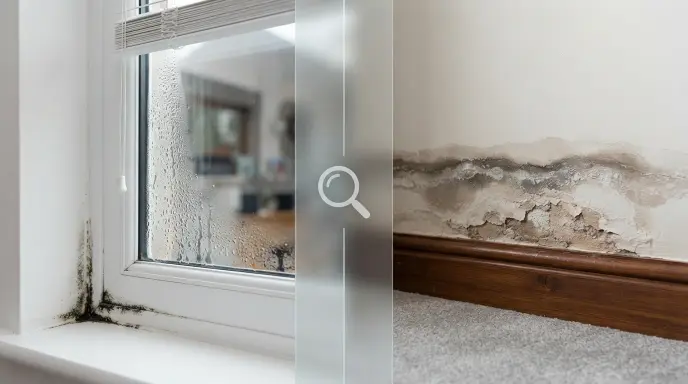
Phase 1 already covers damp and mould, and it’s been enforceable since October 2025. If that’s what you’re dealing with, you don’t need to wait for Phase 2. Landlords are already on the hook, and tenants pursuing a claim under Phase 1 can look at what’s involved in a damp and mould compensation claim right now.
The seven hazards covered by Phase 2
From 30 November 2026, landlords have to investigate and fix these when they present a significant risk of harm.
Excess cold
Indoor temperatures that drop low enough to genuinely affect health, particularly dangerous for older residents or anyone with a long term condition.
Excess heat
The reverse problem. Properties that overheat to dangerous levels, something that’s only becoming more relevant as UK summers get hotter.
Falls
This one’s broad. It covers falls on level surfaces, on stairs, and between levels, so a fall from height inside the home counts too. Think unsafe staircases, bathroom hazards and tripping risks.
Structural collapse and explosions
Structural defects serious enough that part of the building could collapse, or explosion risks from gas or other sources.
Fire and explosions
Fire hazards inside the dwelling itself. Matters already regulated separately, like communal fire safety in blocks of flats, sit outside this category.
Electrical hazards
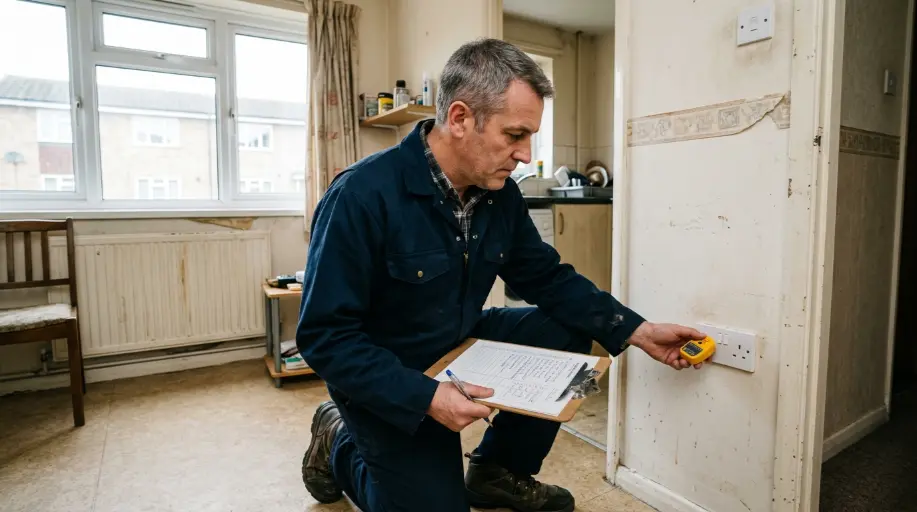
Faulty wiring, unsafe installations and anything else electrical that could cause a shock or start a fire.
Domestic and personal hygiene
The widest category by far. It takes in food safety issues like broken cooking or storage facilities, personal hygiene problems such as no proper washing facilities, and pest infestations, rats, mice, cockroaches and bed bugs included.
Damp and mould stays under Phase 1 rules, and emergency hazards have already been covered since October 2025.

What counts as a significant risk of harm
Not every minor niggle triggers these deadlines. The threshold is a hazard that presents a significant risk of harm under the Housing Health and Safety Rating System.
In practice, that means the problem has to be serious enough that a reasonable person would expect the landlord to act on it. Assessors weigh up both the likelihood and potential severity of harm, and vulnerable residents, children, elderly people, disabled tenants, can lower that threshold considerably. Your landlord is supposed to investigate any reported hazard and decide whether it clears the bar. Once it does, the statutory clock starts.
How long landlords actually have to fix things
Five different timescales apply depending on how severe the hazard is, and these cover both Phase 1 and Phase 2 categories.
| Hazard severity | Investigation deadline | Repair deadline |
|---|---|---|
| Emergency (immediate danger) | 24 hours | As soon as reasonably practicable |
| Category 1 (serious) | 48 hours | 7 calendar days |
| Category 2 (moderate) | 7 calendar days | 28 calendar days |
| Category 3 (lower risk) | 14 calendar days | 56 calendar days |
| Category 4 (minor) | 28 calendar days | 12 weeks (84 days) |
The clock starts the moment you report the hazard. Your landlord has to acknowledge it and start investigating inside that first deadline, then finish the safety work before the repair deadline runs out.
What to do if you think you’ve got a Phase 2 hazard
Don’t wait around hoping it sorts itself out. Here’s the sequence that actually protects you.
- Report it in writing the moment you notice it, and keep copies of every email or letter
- Be specific about what the problem is and exactly where it is in the property
- Ask your landlord to confirm the report’s been logged and when they’ll start investigating
- Track the deadlines against the table above so you know if they’ve slipped
- Escalate through their complaints procedure, then the Housing Ombudsman, if they miss those deadlines
For damp and mould or emergency hazards, this same process already applies under Phase 1. There’s no need to wait for November 2026 if that’s your situation.
Does this apply if you’re a private tenant?
No, and this trips people up a lot. Awaab’s Law only applies to registered providers of social housing in England right now. If you’re a private tenant, a housing association tenant who falls outside the registered provider definition, or you’re in Scotland, Wales or Northern Ireland, none of this covers you.
That doesn’t leave private tenants with nothing though. You’ve still got rights under the Landlord and Tenant Act 1985, and you can go to your local council’s environmental health team if a hazard is genuinely affecting your health and safety.
What happens when a landlord misses a deadline
Missing an Awaab’s Law deadline isn’t a minor slip on the landlord’s part. Here’s what you can actually do about it.
- Raise a formal complaint through the landlord’s own complaints procedure first
- Escalate to the Housing Ombudsman if it’s still unresolved after eight weeks
- The Ombudsman can order remedies including compensation, apologies and required repairs
- Persistent failures can be reported to the Regulator of Social Housing, which has enforcement powers
Keep records of everything. Every email, every letter, and photos of the hazard itself where it’s safe to take them. If living conditions have genuinely taken a toll on you, it’s also worth understanding what’s involved when tenants sue a landlord for emotional distress, since prolonged hazard exposure can factor into that kind of claim.
Phase 3 and what’s still to come
Phase 3 lands in October 2027 and mops up virtually everything left on the HHSRS list, minus overcrowding. That includes hazards like noise, light, radon, carbon monoxide, lead, asbestos and biocides.
Once Phase 3 is live, nearly every recognised health and safety hazard in social housing carries a fixed investigation and repair deadline tenants can actually enforce.
What to do next
If you’re a social housing tenant and think a Phase 2 hazard applies to you, report it to your landlord in writing now and hang onto copies of everything. Damp and mould or emergency hazards are already covered under Phase 1 rules, so there’s no reason to wait. From 30 November 2026, the seven Phase 2 hazards join them with the same enforceable deadlines.
For official guidance, the GOV.UK Awaab’s Law collection and MHCLG’s Phase 2 guidance for social landlords are worth reading directly. Shelter and the Housing Ombudsman both publish tenant facing resources too. And if you’re based in the capital and want help navigating a claim locally, our London housing repair solutions page covers what the process looks like in your area specifically.