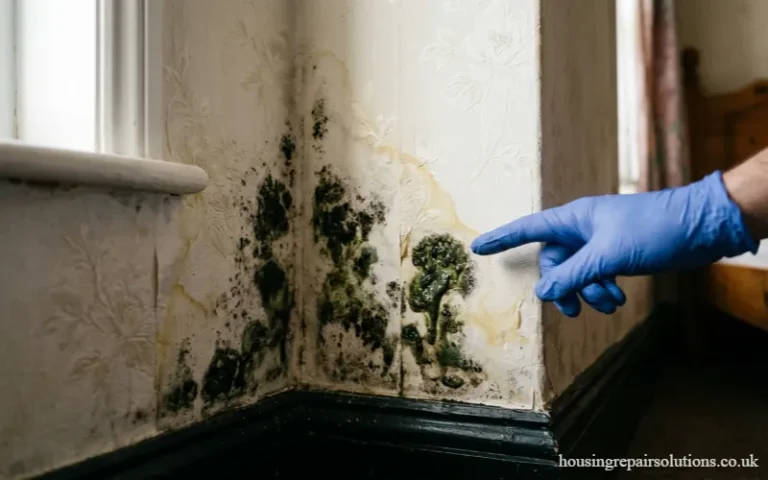

A single speck of black on the bathroom ceiling. A faint earthy smell that greets you when you open the bedroom door. At this point, the problem barely registers. Yet these are the black mould early stages, and catching them now can save you from a much larger infestation that damages your health, your home, and your peace of mind.
Across thousands of UK property inspections, we have seen the same story repeat itself: a tenant or homeowner ignores a few tiny spots, only to face a spreading colony months later that requires professional remediation. The good news is that early-stage mould is far easier to tackle before it takes hold of plaster and timber. You simply need to know what you are looking at.
Early Warning Signs at a Glance
| Early Sign | What It Looks Like | Where to Check |
|---|---|---|
| Tiny black or dark green specks | Pinhead-sized dots, often clustered, slightly smudgy when wiped | Corners of external walls, window reveals, behind curtains |
| Faint musty smell | Damp, earthy odour, stronger on humid days | Cupboards, wardrobes, under-stair spaces |
| Cold, clammy patches on walls | Areas that feel colder and damper than surrounding surfaces | External walls, behind furniture |
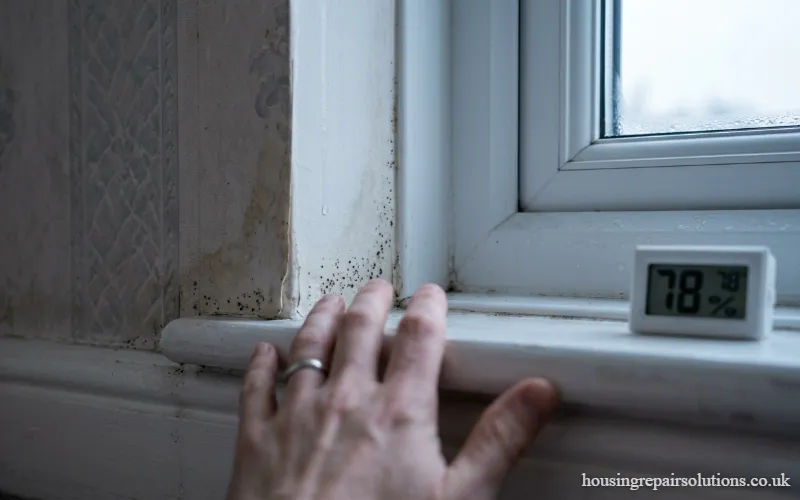
| Recurring condensation | Water droplets on windowsills every morning | Bedroom and living room windows |
| Slight paint or wallpaper discolouration | Yellowish or grey staining, often at the edges of walls | Ceilings, above skirting boards, near windows |
If you notice any one of these early signs of black mould, take it seriously. The colony has not yet established deeply, and quick action can stop it in its tracks. For help identifying whether that dark patch is mould or simply dirt, our guide on identifying black mould provides a detailed visual checklist.
The First Visual Clues: Tiny Specks and Dotting
Black mould on walls early in its growth cycle does not look like the dramatic, slimy sheets you see in news reports. Instead, it begins as a light dusting of tiny black or dark green specks, often smaller than a pinhead. They cluster in the coldest corners of a room, where condensation forms most readily. At this stage, the specks may wipe away easily with a dry cloth, but they will return within days if the moisture source remains.
If you run your finger over the specks and they feel slightly damp or leave a faint smudge, you are almost certainly dealing with mould, not ordinary dust. The area beneath the speckles often feels cold and slightly soft to the touch. This is the moment to act: cleaning the surface with a mould-specific spray while addressing the underlying damp can prevent the colony from ever becoming established. For safe cleaning methods, see our article on removing mould from walls.
The Musty Smell: An Invisible Early Warning
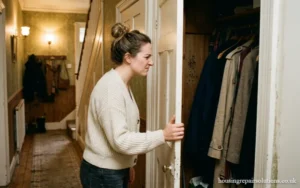
Even before you see a single black dot, you may smell the problem. Active mould growth releases microbial volatile organic compounds that produce a distinctive musty, earthy odour. It resembles wet soil, rotting wood, or old damp cardboard. Many tenants notice it first thing in the morning, when the bedroom has been closed up all night, or when they open a wardrobe that sits against an external wall.
This smell is not simply stale air; it is a chemical signal that mould is actively growing somewhere nearby. If you detect it, pull furniture away from walls, check behind heavy curtains, and inspect the darkest, coldest corners of the room. The mould may still be invisible, hiding behind wallpaper or inside a wall cavity, but the smell tells you it is there. Ventilating the room may temporarily mask the odour, but it will return until the moisture source is fixed. For a full breakdown of the health implications, our guide on black mould symptoms explains the risks in depth.
Cold, Damp Patches: Where Mould Begins
Before mould can grow, the surface must be wet or consistently damp. In British homes, condensation is the most common culprit. When warm, moisture-laden air from cooking, showering, or drying laundry meets a cold wall or window, water droplets form. These droplets soak into paint and plaster, creating a damp microclimate where mould spores, which are present in every home, can germinate and thrive.
You can spot these vulnerable areas by touch. Run your hand along the lower part of an external wall, particularly behind furniture. If the plaster feels noticeably colder and damper than the rest of the room, it is a prime candidate for mould growth. These cold patches often correspond exactly to where the first black mould on walls early specks will appear. Improving insulation, reducing indoor humidity, and keeping furniture slightly away from walls can all help.
Recurring Condensation: The Root Cause
If you wipe water from your windowsills every morning, your home’s relative humidity is too high. A simple digital hygrometer, available for a few pounds, will tell you exactly where you stand. Relative humidity consistently above 60 percent creates ideal conditions for mould growth. Drying clothes indoors on radiators, showering without an extractor fan, and cooking with lids off all pump litres of moisture into the air. Over weeks and months, this moisture condenses on the coldest surfaces, feeding the first early signs of black mould. For practical solutions to damp at source, our guide on fixing a damp house is the place to start.
Health Clues That Something Is Wrong
Your body is often the earliest and most sensitive detector of mould. If you regularly wake with a blocked nose, a scratchy throat, or itchy eyes, and these symptoms improve when you leave the house, the air in your home is likely carrying spores. In the early stages of an infestation, the spore load may still be low, but for people with asthma, allergies, or compromised immune systems, even a small amount can be enough to trigger daily discomfort.
If you notice this pattern, do not ignore it. Keep a simple diary for a week or two, and present it to your GP. The connection between your health and your home is real, and documenting it can also help if you later need to show your landlord that the property is affecting your health. Our landlord mould responsibilities guide explains your rights in full.
What to Do If You Spot the Early Signs
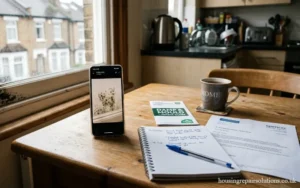
If you recognise the black mould early stages in your home, act today. Photograph the specks with your phone and note the date. If you rent, send these photographs to your landlord or letting agent alongside a written report. Under the Homes (Fitness for Human Habitation) Act 2018, your landlord must ensure the property is free from hazards that could harm your health. Damp and mould that are visible, even at an early stage, are a clear hazard.
While you wait for repairs, improve ventilation immediately. Open windows for at least 15 minutes each morning, use extractor fans, and avoid drying laundry indoors without ventilation. For small specks on non-porous surfaces, a specialist mould spray can clean them away, but this is a temporary fix. The moisture source must be addressed by your landlord, or if you own the property, by a qualified damp specialist. If the mould has already affected your health, you may also wish to explore making a housing disrepair claim.
Frequently Asked Questions