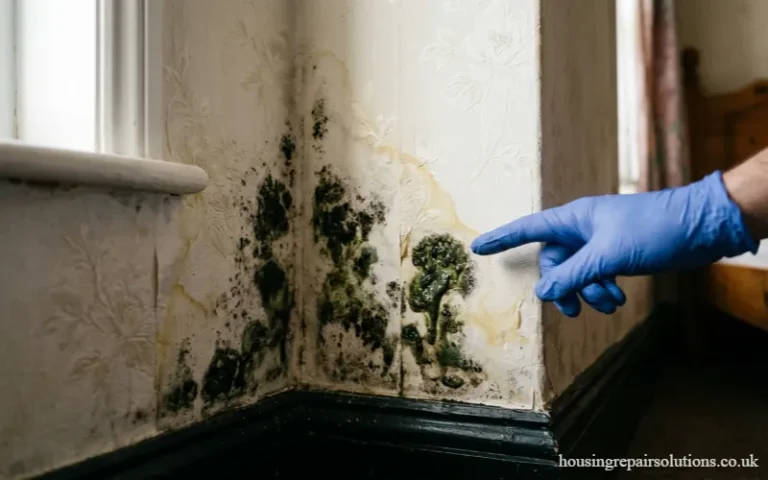

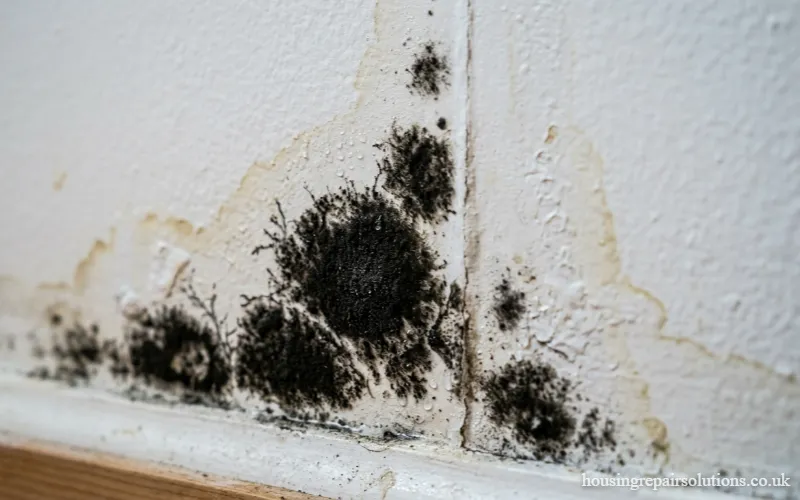
The short answer is yes: mould can spread, and it does so far more easily than most people realise. A single patch of black mould behind a bathroom cabinet is not a contained problem. It is a source of airborne spores that can travel to every room in your home, settle into soft furnishings, and colonise fresh surfaces wherever moisture lets them. Understanding how mould can spread is the first step toward stopping it.
Snippet Winner: How Mould Spreads – 6 Pathways Every UK Homeowner Must Know
| Pathway | How It Works | Why It Matters |
|---|---|---|
| Airborne spores | Spores 2–10 microns wide float on air currents and natural breezes | Spores stay airborne for hours and travel through entire properties |
| HVAC and ventilation systems | Ductwork, extractor fans, and heating systems pull spores from one room into others | Even sealed-off rooms can be contaminated through shared ducting |
| Open doors and foot traffic | Walking between rooms or leaving doors open creates air pressure shifts that carry spores | The simplest everyday actions spread spores without you realising |
| Clothing, shoes, and pets | Spores cling to fabrics, hair, and fur; pets and people carry them between rooms | Cross-contamination can even move mould from one property to another |
| Personal belongings and furniture | Upholstered items, cardboard boxes, and books absorb spores deep into porous fibres | Moving items from a mould-affected room spreads contamination instantly |
| Direct colony expansion | On damp organic surfaces, the colony physically grows outward, digesting new material | Left unchecked, a small patch can spread across entire walls and ceilings |
In our experience, the moment a household recognises these pathways, the question shifts from “can mould spread” to “how do I contain it before it does?”
How Mould Spores Travel: The Invisible Airborne Threat
Mould reproduces by releasing microscopic spores into the air. Each spore measures between 2 and 10 microns across, far smaller than the width of a human hair, and they float on even the gentlest air currents. When you open a door, walk past a contaminated patch, or switch on a fan, you displace the air around a mould colony and launch thousands of spores into circulation.
We have seen this dynamic play out in countless UK homes. A tenant scrubs a patch of black mould in the bathroom with the door open and the extractor fan off. Within a few hours, they notice a musty smell in the bedroom across the landing. What has happened is textbook cross-contamination. The cleaning action disturbed the colony and sent spores airborne. With the door open and no containment, those spores drifted freely through the hallway and settled onto fresh surfaces.
Air ducts and central heating systems present an even greater risk. If your home has a forced-air heating system, the ductwork acts as an expressway for spores. A mould colony growing near an air intake or inside a duct itself can distribute spores to every room the system serves. Even in homes without ducted air, natural convection currents, the rising of warm air and falling of cooler air, constantly move airborne particles between rooms unless doors are sealed shut. The NHS has confirmed that mould produces allergens, irritants, and sometimes toxic substances that trigger sneezing, runny noses, red eyes, skin rashes, and asthma attacks when inhaled.
The Speed of Mould Growth: How Quickly Can Mould Spread?
The speed at which mould colonises new areas catches people off guard. Under ideal damp conditions, mould spores can germinate and begin growing within 24 to 48 hours of landing on a wet surface. Visible colonies typically appear within 18 to 21 days, although in warm, humid UK bathrooms we have repeatedly seen patches become noticeable inside a single week.
The critical factor is moisture. Without it, spores remain dormant and harmless. With it, they activate rapidly. A leaking pipe inside a wall cavity, a failed damp-proof course, or weeks of condensation pooling on a cold windowsill each provide the persistent dampness mould needs. Once a colony establishes itself on a porous surface like plasterboard, timber, or carpet, it begins digesting the material and expanding outward. Direct colony expansion means a small patch spreads into adjacent areas by literally growing across the surface, consuming the organic matter as it goes. We have opened up walls in Victorian terraces where a fist-sized patch behind a wardrobe had, over a single winter, expanded to cover several square metres of hidden plasterwork.
The Building Regulations 2010 Approved Document F sets out the minimum ventilation standards designed to prevent exactly this scenario. Kitchens must have mechanical extraction capable of 30 litres per second, and bathrooms 15 litres per second, precisely because removing moisture-laden air quickly stops spores from germinating in the first place.
Hidden Pathways: Walls, Cavities, and the Spread You Cannot See
Some of the most destructive mould spread happens entirely out of sight, inside wall cavities and beneath floorboards. When a slow leak from a pipe or a failed roof flashing allows water to accumulate inside an enclosed cavity, mould can grow unchecked for months before any visible sign appears on the room-facing surface. Opening a mouldy wall cavity during investigation or remediation can release millions of spores and fungal fragments into the indoor air in a matter of seconds.
We have investigated cases in both period conversions and modern flats where musty smells persisted despite repeated surface cleaning. In each instance, the real colony was thriving on the back side of the plasterboard, feeding on damp insulation within the cavity. The visible staining on the wallpaper was only the tip of the iceberg. That is why brushing or vacuuming dry mould is so dangerous. It disturbs the colony and forces spores through the air at concentrations that can trigger immediate respiratory reactions. The NHS advises that anyone cleaning mould should wear goggles, long rubber gloves, and a mask covering the nose and mouth, and should seal off the room by closing internal doors before starting.
Cross-Contamination: How Mould Spreads Between Flats
If you live in a purpose-built block or a converted house, can mould spread from one flat to another? The answer is yes, and it happens more often than landlords admit. Spores travel through shared ventilation shafts, communal stairwells, and even through gaps around pipework penetrations between flats. In one case we reviewed, a severe mould problem in a ground-floor flat, caused by a failed damp-proof course, had contaminated the hallway carpet of the flat above within weeks simply through spores carried on air currents rising through the shared entrance lobby.
More commonly, cross-contamination between flats occurs when a tenant moves belongings. Soft furnishings, clothing, books, and cardboard boxes that have been stored in a mould-affected flat absorb spores and mycotoxins deep into their fibres. When the tenant moves those items into a new property, they carry the contamination with them. The spores remain viable and will germinate if the new home also has damp conditions. This is why families escaping severe mould in social housing sometimes find the problem follows them: the spores hitch a ride on their possessions.
If you have spotted the early signs, reviewing the warning signs of mould toxicity can help you connect symptoms to the source before the problem spreads further.
How to Stop Mould Spreading: Your Containment Checklist
Containment is not complicated, but it requires discipline. Based on years of remediating mould in occupied UK homes, here is the exact sequence our surveyors recommend.
| Step | Action | Why It Matters |
|---|---|---|
| 1 | Close the door to the affected room and keep it shut during cleaning | Prevents airborne spores from drifting into hallways and neighbouring rooms |
| 2 | Open a window in the affected room | Creates outward airflow that vents spores outside rather than deeper indoors |
| 3 | Turn off central heating and any extractor fans that vent internally | Avoids pulling spores into ductwork or pushing them into other rooms |
| 4 | Wear an FFP2 or FFP3 mask, goggles, and rubber gloves | Protects your airways, eyes, and skin from direct spore exposure |
| 5 | Use a damp cloth with mild detergent; never brush or vacuum dry mould | Damp wiping traps spores; brushing or vacuuming launches them airborne |
| 6 | Bag and seal all cleaning cloths, clothes, and soft items from the room before carrying them out | Prevents carrying spores on your clothing into clean areas |
| 7 | Wash contaminated fabrics at 60°C or dry-clean them | High temperatures kill spores embedded in fibres |
| 8 | Run a dehumidifier in the affected room for 48–72 hours after cleaning | Dries the air and surfaces, denying spores the moisture they need to regrow |
If the affected patch is larger than 1 square metre, or if the mould returns within days of cleaning, a professional damp surveyor should investigate. For guidance on safe cleaning methods, we have a detailed article on removing mould from walls.

Preventing Mould Spread: Daily Habits That Work
Stopping the spread before it starts is always easier than remediation. The single most effective measure is controlling indoor humidity. Mould spores cannot germinate if the relative humidity stays below 60%. A basic hygrometer costs less than a tenner from most hardware shops and will tell you whether your home is in the danger zone.
Close kitchen and bathroom doors whenever you are cooking, showering, or drying clothes indoors. This traps moisture in the room where it is produced rather than allowing it to drift into cooler bedrooms and living rooms where it will condense on cold walls. Several UK councils, including Lewes and Eastbourne, explicitly advise closing internal doors during high-moisture activities and opening windows in the room being used.
Keep furniture at least 50 millimetres away from external walls. This small gap allows air to circulate behind wardrobes, sofas, and chests of drawers, preventing the cold-surface condensation that fuels hidden mould. In fitted wardrobes on outside walls, leave the doors slightly ajar during winter or install louvred vents. Dry clothes outside whenever possible. If you must dry indoors, use a dedicated room with the door closed and window open, and never hang wet laundry directly on radiators. One load of washing releases approximately 2 litres of water into the air. Positioning an airer in the bathroom with the extractor fan running and the door shut is the least damaging indoor drying method.
For tenants, understanding your landlord’s mould responsibility and your rights is critical. If structural defects are driving the damp, no amount of ventilation will permanently solve the problem.
What the Law Says: Landlord Obligations When Mould Spreads
Under Section 11 of the Landlord and Tenant Act 1985, landlords in England and Wales have a statutory duty to keep the structure and exterior of the property in repair. If mould spreads because of a leaking roof, failed damp-proof course, defective guttering, or broken ventilation, the landlord is legally responsible for fixing the root cause.
The most significant recent legal development is Awaab’s Law, which came into force for social housing landlords on 27 October 2025. Under Phase 1, social landlords must investigate and make safe emergency hazards within 24 hours. Significant damp and mould hazards must be investigated within 10 working days and remediated within a further 5 working days. Landlords must also provide tenants with a written summary of their findings within 3 working days of completing the investigation. Phase 2, which extends the requirements to hazards such as excess cold, fire risks, and electrical dangers, will come into force from October 2026.
Private tenants also have strong protections. Damp and mould that pose a risk to health are classified as Category 1 hazards under the Housing Health and Safety Rating System (HHSRS). Local authorities can serve improvement notices and impose civil penalties of up to £30,000 on landlords who fail to act. If you have reported mould to your landlord and they have not responded within a reasonable time, you may be entitled to compensation. Our housing disrepair claim guide explains the process step by step, and our damp and mould compensation guide outlines typical UK claim values.
When to Call a Professional
You need a professional damp surveyor if the mould patch exceeds 1 square metre, if it keeps returning after cleaning, if you can smell mould but cannot see it, or if anyone in the household has a respiratory condition that is worsening. A full damp and mould survey on a typical UK flat or house costs between £150 and £400, rising to £400–£800 for comprehensive surveys with thermal imaging. Look for a surveyor accredited by RICS or the Property Care Association (PCA).

Frequently Asked Questions