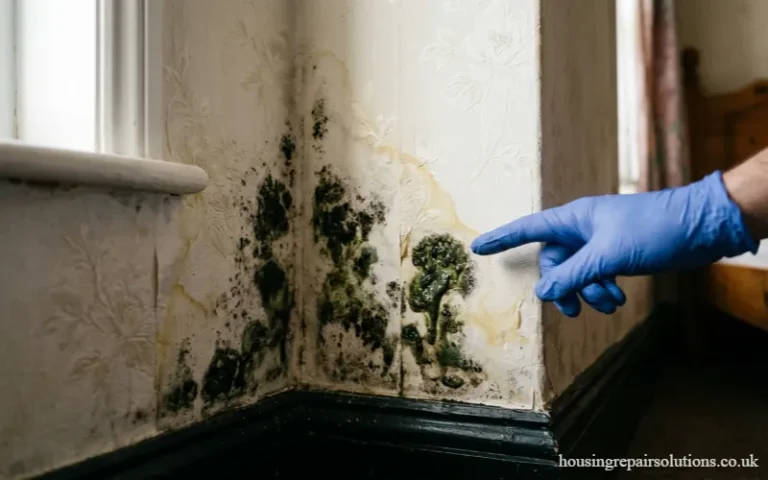


Living with damp and mould is not simply unpleasant; it can be a slow poisoning. Across the UK, thousands of tenants and homeowners are experiencing mould toxicity without ever connecting their symptoms to the black patches on their walls. The illness caused by mycotoxins, the toxic chemical compounds produced by certain mould species, can mimic other conditions so convincingly that it is often misdiagnosed for years. Understanding the 10 warning signs of mould toxicity in adults is the first step towards reclaiming your health and holding the right people accountable.
In our work with tenants from London to Glasgow, we have seen the same patterns repeatedly: people who were told they had chronic fatigue, fibromyalgia, or anxiety, only to discover, once the mould was removed, that their symptoms resolved. The body keeps the score, and these signs are its language.
The 10 Warning Signs at a Glance

| No. | Warning Sign | Description |
|---|---|---|
| 1 | Persistent brain fog and poor concentration | A heavy mental fog, difficulty focusing, and short-term memory lapses that clear when away from the property |
| 2 | Unexplained chronic fatigue | Debilitating tiredness that sleep does not refresh, sometimes diagnosed as ME/CFS |
| 3 | Respiratory problems and chronic cough | A dry, hacking cough, wheezing, shortness of breath, and recurrent chest infections |
| 4 | Sinus congestion and headaches | Persistent blocked nose, sinus pressure, and headaches that mimic chronic sinusitis |
| 5 | Joint pain and muscle aches | Stiffness and aching in the joints and muscles without any obvious physical cause |
| 6 | Skin rashes and itching | Red, irritated patches of skin, hives, or a burning sensation, often on exposed areas |
| 7 | Digestive issues | Nausea, bloating, diarrhoea, and food sensitivities that develop or worsen |
| 8 | Mood swings, anxiety and depression | Uncharacteristic irritability, low mood, and panic attacks that fluctuate with location |
| 9 | Sensitivity to light, sound and chemicals | A heightened reaction to bright lights, loud noises, and everyday chemical smells |
| 10 | Symptoms that improve when away from home | A clear pattern: you feel significantly better on holiday or at work, but relapse within hours of returning |
If you tick several of these boxes, particularly if the pattern of relief away from home is unmistakable, the environment you live in is a strong suspect.
Brain Fog: The Most Distressing Symptom
Perhaps the most unsettling of all mould toxicity symptoms in adults is the cognitive impact. Patients describe a sensation of living in a thick mental fog, unable to think clearly, struggling to find words, and forgetting simple tasks. This is not the ordinary tiredness of a busy life; it is a genuine neurotoxic effect caused by trichothecene mycotoxins, which can cross the blood-brain barrier and trigger neuroinflammation.
Many people fear they are developing early dementia. They undergo neurological tests, sometimes inconclusive, before anyone considers their home environment. When the mould source is removed, the fog can lift within days or weeks, a profound relief that also confirms the diagnosis. For a broader look at the range of symptoms, our article on the general symptoms of mould exposure may be useful reading.

Chronic Fatigue That Sleep Cannot Fix
Mould toxicity frequently presents as profound, unrefreshing fatigue. Patients sleep for eight, ten hours and wake feeling as exhausted as when they went to bed. Some are diagnosed with myalgic encephalomyelitis or chronic fatigue syndrome, which, while valid diagnoses in their own right, can sometimes be triggered or perpetuated by ongoing mycotoxin exposure. The fatigue is often accompanied by post-exertional malaise: after even mild activity, a crash that can last days.
Respiratory and Sinus Problems
The lungs are on the front line. Mycotoxins and spores irritate the airways, causing a chronic dry cough, wheezing, chest tightness, and shortness of breath. Recurrent chest infections are common. Many adults also develop persistent sinus congestion, sinus headaches, and post-nasal drip that does not respond to standard allergy medication. If you are using your blue inhaler more frequently than ever before, consider the air you are breathing at home.
Joint Pain, Muscle Aches, and Inflammation
Mycotoxins are potent inflammatory agents. Joints ache, muscles feel stiff and sore, and the body can feel like it is constantly fighting a flu that never arrives. These symptoms often lead to investigations for rheumatoid arthritis or other autoimmune conditions, but blood tests come back normal. The inflammation is real, but its source is environmental.
Skin Rashes and Irritation
The skin, particularly on the face, neck, and hands, can react directly to airborne spores and mycotoxins. Rashes may be red, itchy, and scaly, sometimes mistaken for eczema or contact dermatitis. A burning sensation on the skin without visible rash is also reported. Like the other signs, these skin issues tend to improve when the person is away from the contaminated environment.
Mood and Mental Health
The psychological effects of mould exposure are increasingly documented. Anxiety, depression, mood swings, and irritability can all stem from the neuroinflammatory effects of mycotoxins. Tenants sometimes tell us they feel like a different person, snapping at loved ones and withdrawing socially. These changes are often attributed to life stress, but they can have a biological basis rooted in the home environment. For a deeper dive into the toxicology, our guide to mould toxicity and mycotoxins explains the science clearly.
Digestive Disturbances
Mycotoxins can disrupt the gut microbiome and directly irritate the digestive tract. Nausea, abdominal bloating, loose stools, and new food sensitivities are common but often overlooked signs. These symptoms can mimic irritable bowel syndrome and may be investigated extensively before the environmental trigger is considered.
The Tell-Tale Pattern
The most convincing evidence of mould toxicity is the location-symptom correlation. We have spoken to tenants who felt completely well during a two-week holiday, only to start coughing, aching, and feeling foggy within hours of returning home. Keep a simple diary: record your symptoms each day and note where you are. After a fortnight, the pattern may be undeniable.
Legal Protections for UK Tenants
If your rented home is making you ill, the law is on your side. The Homes (Fitness for Human Habitation) Act 2018 requires that a property be free from hazards that could cause injury or illness, including damp and mould. Under the Housing Health and Safety Rating System, damp and mould growth is a Category 1 hazard, the most serious, meaning local authorities have a duty to act.
Awaab’s Law, introduced following the tragic death of a two-year-old from mould exposure, now imposes strict timescales on social housing landlords to investigate and repair damp and mould. Emergency hazards must be investigated within 24 hours. For private tenants, the existing legal framework still provides strong protection: if your landlord fails to address the underlying cause of damp, they are in breach of their legal duties. Our guide on landlord mould responsibility and tenants’ rights sets out what you can demand and when.

What to Do If You Have These Warning Signs
If you recognise several of these signs in yourself, act without delay. First, consult your GP and be explicit that you believe mould in your home may be affecting your health. Ask for the link to be noted in your records. Second, document the mould: photographs, dates, and a symptom diary. Third, notify your landlord in writing and request an inspection and remediation. Fourth, contact your local council’s environmental health department, who can inspect the property and require your landlord to act.
If your health has been harmed, you may be entitled to compensation through a housing disrepair claim. This can cover personal injury, loss of earnings, and the impact on your quality of life. Many solicitors handle these cases on a no win no fee housing disrepair basis. For more on what compensation may be available, see our housing disrepair compensation overview.
Recovery and Moving Forward
Recovery from mould toxicity can be a slow process. Once the contaminated environment is remediated or you have moved out, the body begins to clear the accumulated mycotoxins. Some people feel dramatically better within days; for others, full recovery takes months. The psychological scars of living in a home that made you ill can also take time to heal. But the first and most important step is recognising the signs and trusting what your body is telling you.
Frequently Asked Questions