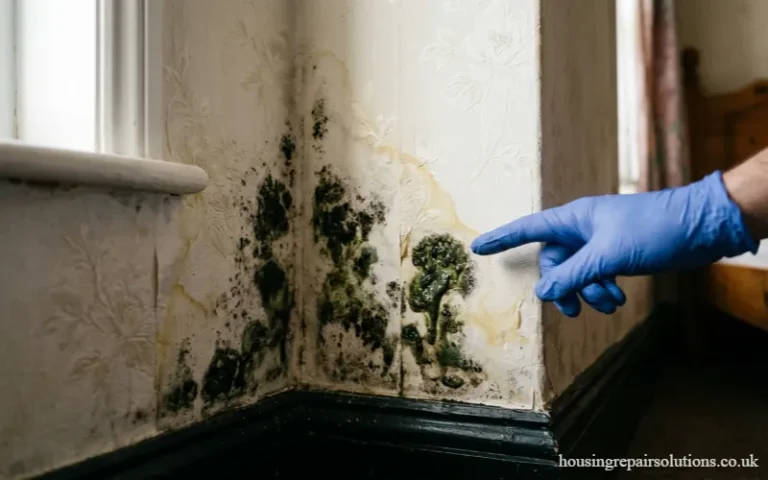

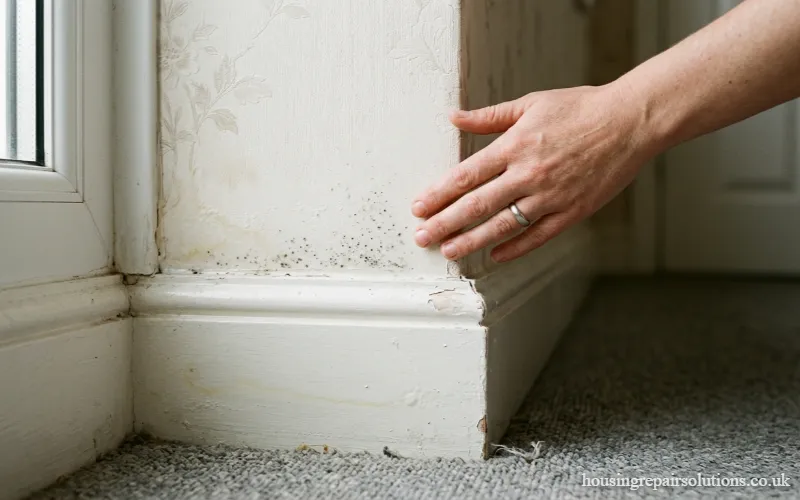
Most people associate mould with coughing, sneezing, and asthma. But a growing body of evidence suggests that the impact of living with damp goes much deeper, potentially reaching the cardiovascular system. The question can mould cause high blood pressure is one we hear increasingly from tenants who have developed hypertension while living in mouldy homes, sometimes with no other obvious risk factors.
The connection is not yet as widely recognised as the respiratory effects, but it is biologically plausible and supported by emerging research. Chronic inflammation, triggered by the inhalation of mould spores and mycotoxins, can stiffen blood vessels, increase oxidative stress, and elevate blood pressure over time. This guide explores the hidden link, the science behind it, and what UK tenants need to know to protect their health and their rights.
How Mould Could Affect Blood Pressure

| Mechanism | Effect on the Body |
|---|---|
| Chronic systemic inflammation | Mycotoxins trigger a persistent inflammatory response, damaging blood vessel linings |
| Oxidative stress | Toxins increase free radicals, reducing nitric oxide and making vessels less flexible |
| Immune system disruption | A dysregulated immune system can contribute to vascular inflammation |
| Sleep disruption | Mould-induced coughing and nasal congestion disturb sleep, a known hypertension risk factor |
| Stress and anxiety | Living with damp and disrepair causes psychological stress, which raises blood pressure |
These pathways do not operate in isolation. Over months or years of exposure, they can combine to produce a measurable increase in blood pressure. For someone already at risk due to age, diet, or genetics, the additional burden of mould toxicity could be enough to push them into a hypertensive state. For further insight into how mycotoxins affect the body, our article on mould toxicity provides a comprehensive overview.
The Science: Mycotoxins and the Cardiovascular System
Mycotoxins are toxic secondary metabolites produced by certain moulds, including Stachybotrys chartarum, the notorious black mould. When inhaled, these toxins are not confined to the lungs. They can enter the bloodstream through the alveoli and circulate throughout the body. Once in the vascular system, they can directly irritate the endothelial lining of blood vessels. This irritation triggers an immune response, leading to chronic low-grade inflammation. Over time, inflamed vessels become stiffer and less able to dilate, a condition known as endothelial dysfunction, which is a precursor to hypertension.
Research has shown that trichothecene mycotoxins, the type produced by Stachybotrys, can cause oxidative stress in human cells. This stress depletes nitric oxide, a molecule that helps blood vessels relax. When nitric oxide is low, blood pressure rises. While much of the research is still at the laboratory stage, the mechanistic link is strong. The mycotoxins health effects are, therefore, not limited to the respiratory system; they extend throughout the body, including the heart and blood vessels.
Indirect Pathways: Sleep, Stress, and Inflammation
Even if mycotoxins do not directly raise your blood pressure, the experience of living in a damp, mouldy home can do so indirectly. Sleep disruption is a well-established risk factor for hypertension. If you are waking repeatedly at night to cough, or if your nasal passages are blocked by allergic rhinitis triggered by spores, your sleep quality suffers. Chronic poor sleep raises cortisol levels, which in turn elevates blood pressure.
Furthermore, the stress of living with mould toxicity blood pressure worries cannot be underestimated. Tenants frequently tell us they feel helpless, anxious, and exhausted by the constant battle to keep mould at bay, the worry about their children’s health, and the unresponsive landlord. This prolonged psychological stress activates the sympathetic nervous system and keeps blood pressure elevated. The connection between mental health and cardiovascular health is well documented, and living in a hazardous home is a profound and persistent stressor.
Recognising the Signs
If you have been diagnosed with high blood pressure and you also live in a mouldy home, consider whether there might be a link. Ask yourself: did my hypertension develop or worsen after moving into this property? Do my blood pressure readings improve when I am away from home for a period of time? Do I also experience other symptoms of mould toxicity such as brain fog, fatigue, and respiratory problems? For a full list of warning signs, our guide on symptoms of mould toxicity in adults is an essential resource.
It is important to continue any prescribed treatment from your GP and not to attribute hypertension solely to mould without medical guidance. However, making your doctor aware of your living conditions is a vital step. If your environment is contributing to your illness, removing the source of exposure is just as important as medication.
What the Law Requires of Your Landlord
If you are a private or social housing tenant in England, your landlord has a legal duty to ensure the property is free from hazards that could harm your health. Under the Homes (Fitness for Human Habitation) Act 2018, damp and mould that are prejudicial to health render the property unfit. The Housing Health and Safety Rating System (HHSRS) classifies damp and mould growth as a Category 1 hazard, the most serious. This means that your local council’s environmental health department can, and must, take enforcement action if such hazards are present.
For social housing tenants, Awaab’s Law now imposes strict timescales: emergency hazards must be investigated within 24 hours, and significant damp and mould must be investigated within 10 working days. While Awaab’s Law has not yet been extended to the private rented sector, the existing legal framework is still strong. Our landlord mould responsibilities guide explains these duties in full and outlines the steps you can take if your landlord fails to act.
What to Do If You Suspect Mould Is Affecting Your Blood Pressure
First, book an appointment with your GP. Explain that you are living with damp and mould, and that you are concerned about the impact on your cardiovascular health. Ask for your blood pressure to be monitored regularly and for the environmental link to be recorded in your notes. This documentation is important for your health and, if necessary, for any future legal claim.
Second, notify your landlord in writing about the mould and request repairs. If they do not respond or do not act, contact your local council’s environmental health team. An inspector can assess the property and, if hazards are found, order the landlord to carry out work. Third, if your health has been affected, consider speaking to a solicitor about a housing disrepair claim. Compensation can include damages for personal injury, including the impact of hypertension if it can be linked to the condition of the property. Our guide to housing disrepair compensation provides more detail on what you may be entitled to claim. Many solicitors offer these cases on a no win no fee basis.
Reducing Your Risk While Repairs Are Underway
While waiting for your landlord to act, take steps to reduce the mould load in your home. Improve ventilation by opening windows for at least 15 minutes each morning, use extractor fans when cooking or showering, and avoid drying clothes indoors. A dehumidifier can help control humidity levels. Air purifiers with HEPA filters can capture airborne spores, reducing the load you breathe. However, these are temporary measures. The source of moisture must be permanently resolved. For more on tackling damp, our article on fixing a damp house offers practical solutions.

Frequently Asked Questions