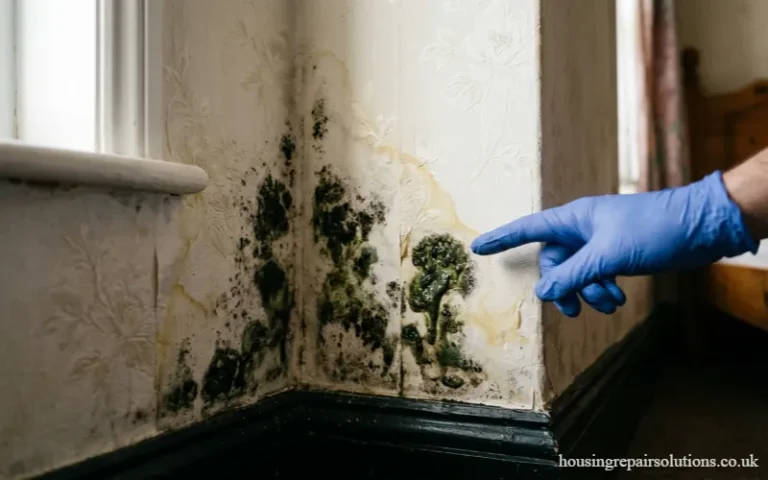

If you have spotted black mould patches on your walls, the first question that usually crosses your mind is: “How quickly will this affect my family’s health?” We hear this concern constantly from homeowners and tenants across the country. Understanding the black mould symptoms timeline is essential, because it depends on who you are, how much mould there is, and how long you breathe it in. Before we go further, it also helps to know what symptoms of mould exposure typically look like.
Snippet Winner: Black Mould Symptom Onset Timeline
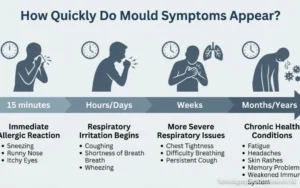
| Exposure Type & Sensitivity | Typical Symptom Onset | Common Symptoms | Who Is Most Affected |
|---|---|---|---|
| Allergic to mould (immediate reaction) | Within 15 minutes of inhaling spores | Sneezing, runny nose, itchy/red eyes, skin rash | Anyone with an existing mould allergy or asthma |
| High-level, one-off exposure | 24–72 hours after contact | Coughing, sore throat, wheezing, nasal congestion, eye irritation | Even non-allergic individuals, especially in poorly ventilated spaces |
| Prolonged, low-level daily exposure | Gradual build-up over weeks / months | Chronic cough, fatigue, persistent congestion, frequent chest infections | Babies, children, elderly, those with respiratory conditions |
| Hypersensitivity pneumonitis (rare) | Several hours after heavy exposure | Breathlessness, fever, chills, body aches, dry cough | People with weakened immune systems, chronic lung disease |
| Long-term toxic exposure (mycotoxins) | Months to years of cumulative exposure | Brain fog, memory loss, chronic fatigue, hair loss, joint pain | Reported in sensitive individuals; still debated in medical research |
In our experience, the first signs often feel like a stubborn cold that never quite clears up. You might notice you always feel worse in a particular room. That reaction comes from your body responding to spores in the air. If you are concerned you might already be affected, learning the warning signs of mould toxicity can help you spot the problem before it escalates.
What Actually Is Black Mould?
Black mould is a microscopic fungus that grows in damp, humid places. The type most people ask us about is Stachybotrys chartarum. It feeds on cellulose-rich materials such as plasterboard, wallpaper, timber, and carpets. Over a decade of assessing UK properties, we have seen it thrive everywhere: in Victorian terraces with single-skin walls, in modern flats with poor ventilation, and on bathroom ceilings in every type of home.
Mould spores float everywhere in the air, both outdoors and indoors. They only cause a problem when they find a damp surface to settle on and multiply. Once a colony establishes itself, it releases thousands more spores and, in some cases, mycotoxins into your living space. The infamous musty, earthy smell is often the first warning sign, even before patches appear. That smell alone is a reason to investigate, because black mould symptoms in the UK are far more common than many people realise, particularly in poorly maintained rental properties.
Why Does the Black Mould Symptoms Timeline Vary So Much Between People?
This is the part that causes the most confusion. Two people can live in the same house with the same level of black mould, yet one develops symptoms while the other feels fine. Here is why.
Your Personal Allergy Profile
If you have a mould allergy, your immune system treats spores as invaders. It releases immunoglobulin E, which triggers the classic hay fever and asthma symptoms almost instantly. Typically, allergic reactions occur within 15 minutes of breathing in spores. We have met tenants who felt their chest tighten the moment they walked into a mouldy bedroom.
If you do not have a mould allergy, your body may still react, but often more slowly. The mVOCs (microbial volatile organic compounds) that create the musty smell can irritate anyone’s eyes, nose, and throat. This irritation can then build up over 24 to 72 hours after you enter the affected space.
The Amount and Length of Exposure
A small patch of black mould behind a wardrobe might cause no noticeable symptoms in a healthy adult. In contrast, a heavily infested bathroom where you spend 20 minutes showering each morning while breathing in warm, spore-filled steam tells a different story. Generally, large amounts of mould lead to faster symptom development. The longer you stay in contact with the spores, the more you inhale, and the more likely you are to react.
Your Underlying Health
We have seen this pattern repeated in homes from London to Glasgow. The most vulnerable groups include the elderly, children and babies, pregnant women, and anyone who already has a respiratory condition like asthma or COPD. People undergoing chemotherapy or living with a weakened immune system also face particular risks. For these groups, symptoms can appear faster and hit harder. In our experience, asthmatic children living in damp homes are the most frequent visitors to A&E with severe flare-ups.
Immediate Symptoms: The First Stage of the Black Mould Symptoms Timeline
For allergic individuals, the reaction can feel almost instant. You walk into the room, you breathe in, and within minutes you start sneezing or your eyes start watering. Common immediate symptoms include sneezing, a runny or blocked nose, red and itchy eyes, and a skin rash or hives. These mimic hay fever, and they often clear up once you leave the affected room and get fresh air.
Non-allergic individuals might notice nothing at all in the first few hours. However, if a significant amount of mould is present, general airway irritation can begin. You might feel a scratchy throat, develop a mild cough, or notice slight tightness in your chest within the first 24 hours. mVOCs cause these symptoms by irritating the delicate lining of your airways.
Delayed and Gradual Symptoms: The Danger of Daily Exposure
This scenario catches most people off guard. You live with a damp and mouldy flat or house for months. You do not have one single dramatic reaction. Instead, your health erodes slowly. We have spoken to tenants who described it as “feeling permanently run down” without knowing why.
Over weeks and months of continuous exposure, you might develop a chronic cough that will not shift, persistent nasal congestion or sinusitis, frequent chest infections, worsening asthma control, unusual fatigue, and headaches. The NHS notes that people living with damp and mould are more likely to suffer from respiratory illnesses, infections, allergies, and asthma. Furthermore, the NHS in England spends an estimated £1.4 billion each year on treating illnesses linked to cold or damp housing. You can read the official NHS guidance on the health risks of damp and mould in the home here: NHS – How can damp and mould affect health?
We have handled cases in both social housing and private rentals where families described a cycle of recurring chest infections, particularly in young children. That cycle only stopped once we permanently removed the underlying damp problem and black mould. If your landlord has failed to act, you can read our guide to claiming damp and mould compensation to understand the value of your potential claim and the steps to take.
Long-Term and Rare Reactions
Prolonged exposure to large quantities of mould spores can, in rare cases, trigger a more serious condition called hypersensitivity pneumonitis. This immune system reaction occurs deep in the lungs. Symptoms such as fever, chills, muscle aches, and breathlessness can set in several hours after significant exposure. While uncommon, we have seen respiratory consultants flag this condition in cases of severe, long-standing household mould.
There is also significant discussion around mycotoxins, which are toxic chemicals produced by certain moulds including Stachybotrys chartarum. Some individuals report severe neurological symptoms such as brain fog, memory loss, chronic pain, and hair loss after years of exposure. However, large-scale scientific reviews have not confirmed a direct, consistent toxic effect from typical indoor black mould exposure in the general population. Chronic poor air quality can certainly make people feel unwell, but the clear medical consensus holds that the primary risk is allergic and irritant-driven. Asthma + Lung UK provides further information on how moulds affect lung health: Asthma + Lung UK – Mould and damp
Black Mould and UK Tenants: Your Legal Protections
If you are a tenant in the UK, you do not have to suffer in silence. Landlords have a legal obligation to ensure homes are safe and habitable under the Landlord and Tenant Act 1985 and its equivalent provisions in Scotland, Wales, and Northern Ireland. Knowing your landlord’s mould responsibility and your rights is the crucial first step before you raise the issue or make a formal complaint.
The most significant legal change in recent years is Awaab’s Law, named after two-year-old Awaab Ishak who tragically died in December 2020 after prolonged exposure to mould in his family’s Rochdale flat. Under the first phase of Awaab’s Law, which came into force for social housing landlords in England, an emergency damp and mould hazard now requires investigation within 24 hours. Additionally, a significant hazard must be investigated within 10 working days, and the property must be made safe within 5 working days of the investigation ending. The full government guidance on Awaab’s Law is available at: GOV.UK – Awaab’s Law
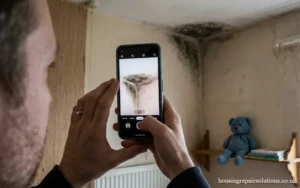
Private tenants also have strong protections. If you report damp or mould and your landlord fails to act within a reasonable time, you may be able to bring a housing disrepair claim for compensation. This can cover personal injury, damaged belongings, and the cost of alternative accommodation. Document everything: take dated photographs, keep emails and texts, and obtain medical evidence linking your symptoms to the conditions. For a complete walkthrough of the process, we have a housing disrepair claim guide that explains what to expect and how to build a strong case.
When to See a GP
Based on current NHS guidance, you should see your GP if your respiratory symptoms, such as coughing or wheezing, persist for more than three weeks. You must also seek help if you cough up blood, if your asthma becomes harder to control, or if a baby or elderly relative shows symptoms. Always tell your doctor that you are living with black mould. This creates a medical record that can also support any housing disrepair claim.
Frequently Asked Questions