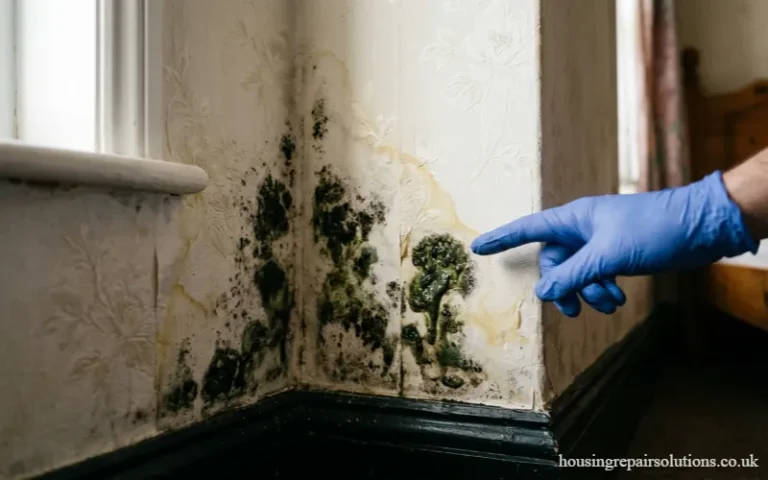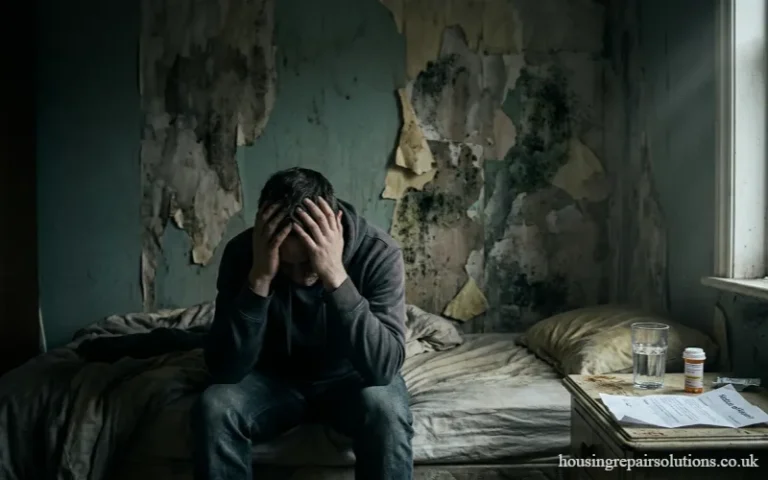

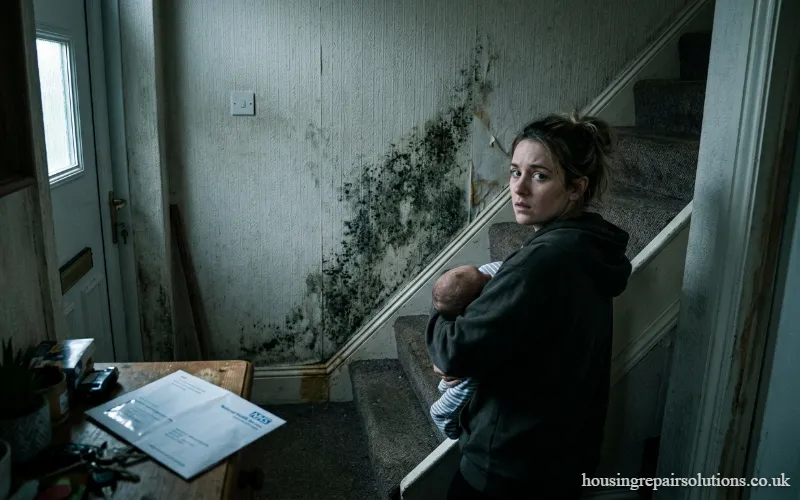
A small patch of black slime on the bathroom ceiling. A dark stain spreading behind the bedroom wardrobe. Many people living in damp UK homes see these signs and wonder, with a knot of anxiety in their stomach, exactly how dangerous is black mould. The honest answer, backed by medical science and British law, is that it poses a far greater threat than most people realise, particularly for children, the elderly, and anyone with a respiratory condition.
Black mould, most commonly the species Stachybotrys chartarum, produces toxic compounds called mycotoxins. These are not simply irritants; they are poisonous substances that can damage the lungs, the brain, and the immune system. Furthermore, the tragic death of two-year-old Awaab Ishak in 2020, directly linked to prolonged mould exposure in a housing association flat, served as a devastating national wake-up call. Mould can kill, and even when it does not, it can cause lifelong illness.
The Health Risks: At a Glance
| Risk Category | Potential Health Effects | Who Is Most Vulnerable |
|---|---|---|
| Respiratory damage | Chronic cough, wheezing, asthma development, pneumonia | Children, elderly, asthmatics |
| Neurological effects | Brain fog, memory loss, dizziness, headaches, depression | Long-term occupants, infants |
| Immune system disruption | Frequent infections, chronic inflammation, autoimmune responses | Immunocompromised individuals |
| Allergic reactions | Sneezing, runny nose, red eyes, skin rashes | Anyone with existing allergies |
| Mycotoxin poisoning | Fatigue, nausea, muscle pain, cognitive impairment | Occupants of heavily contaminated homes |
| Fatal outcomes | Severe respiratory failure, sepsis | Infants, severely immunocompromised |
The NHS, the World Health Organisation, and the UK government all confirm that the black mould health effects are serious and well-documented. As a result, damp and mould are classified as a Category 1 hazard under the Housing Health and Safety Rating System, the most serious classification. Consequently, local authorities have a legal duty to take enforcement action where such hazards exist.
Why Black Mould Is So Toxic
The danger of black mould lies in the mycotoxins it releases. These microscopic toxins become airborne along with spores and dust particles. When inhaled, they trigger a cascade of inflammatory responses, damage the delicate tissues of the lungs, and can even cross the blood-brain barrier. In turn, this causes neuroinflammation and cognitive dysfunction. Moreover, research links prolonged exposure to the development of asthma, chronic sinusitis, and a multi-system condition known as Chronic Inflammatory Response Syndrome.
The Fatal Risk: Awaab’s Story
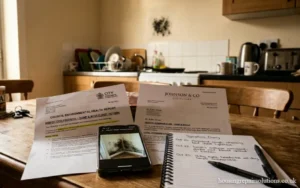
The most tragic demonstration of how dangerous is black mould came from Rochdale in 2020. Two-year-old Awaab Ishak died from a severe respiratory condition caused by prolonged exposure to mould in his home. The coroner ruled that his death was due to mould, and the inquest revealed a catalogue of failures by the landlord.
This tragedy led directly to Awaab’s Law, which now imposes legally binding timescales on social housing landlords in England. Specifically, landlords must investigate emergency hazards within 24 hours and significant damp and mould within 10 working days. They must also complete make-safe works within 5 working days.
For private tenants, the legal framework provides equally strong protection. The Homes (Fitness for Human Habitation) Act 2018 makes it clear that a property is not fit to live in if it poses a risk to health, including from damp and mould. You can read more about these legal obligations in our guide on landlord mould responsibility and tenants’ rights.
Long-Term Health Consequences
Even when mould exposure does not cause a fatal outcome, the long-term consequences can be severe. For example, children who grow up in damp, mouldy homes are significantly more likely to develop asthma and other chronic respiratory conditions. Meanwhile, adults may develop persistent sinus problems, chronic fatigue syndrome-like illness, and lasting neurological symptoms such as memory impairment and difficulty concentrating. The toxic black mould effects can linger for years after the exposure ends, particularly if the exposure was prolonged. For a detailed look at the full range of symptoms, our article on mould toxicity in adults is a comprehensive resource.
What the Law Requires
If you are a tenant in the UK, you have clear rights. Under the Landlord and Tenant Act 1985, your landlord must keep the structure and exterior of the property in repair, including the roof, walls, and windows. Furthermore, under the Homes (Fitness for Human Habitation) Act 2018, the property must not contain hazards that endanger your health. If your landlord fails to act, you can contact your local council’s environmental health department, who can inspect and compel the landlord to carry out repairs.
If the mould has harmed your health, you may also bring a housing disrepair claim for compensation. This can cover personal injury, damage to belongings, rent reduction, and in severe cases, the cost of alternative accommodation. In addition, many solicitors offer these services on a no win no fee housing disrepair basis. For more on compensation, see our housing disrepair compensation overview.
Steps to Protect Yourself
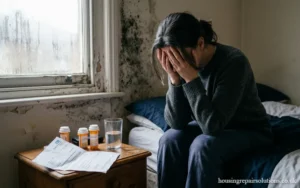
If you discover black mould in your home, take these immediate steps. First, do not ignore it. Small patches spread quickly in damp conditions. Second, identify and report the source of moisture, whether it is a leak, rising damp, or condensation. Third, if you rent, notify your landlord in writing without delay. Fourth, avoid disturbing large areas of mould yourself, as this can release a concentrated burst of spores and mycotoxins. For small areas of surface mould, cleaning with a specialist mould spray while wearing gloves, goggles, and a mask is possible, but only as a temporary measure. For a full guide on this, see how to remove mould from walls. Fifth, if the mould is extensive or you have health concerns, professional remediation is essential. And finally, if the underlying damp problem is not fixed, the mould will return. Similarly, our guide on how to fix a damp house provides a long-term strategy.
The Bottom Line
How dangerous is black mould? Dangerous enough to cause severe, chronic illness. Dangerous enough to kill a small child. And dangerous enough that the law now requires social housing landlords to act within 24 hours when a home presents an emergency hazard. No one should have to live with toxic mould, and no tenant should have to fight alone to get it removed. Therefore, if your home is making you ill, the law is on your side, and help is available.
Frequently Asked Questions