
Black mould in house UK is a common and serious problem that requires fast, safe action. In our experience across thousands of UK homes, from Victorian terraces to modern flats, spotting black mould early and dealing with it correctly protects both your health and your legal position as a tenant or homeowner.
When you discover black mould in house UK, the priority is always safety first, then source identification, followed by proper removal and prevention. Delaying action allows spores to spread and can lead to more expensive repairs later.
Immediate Steps When You Find Black Mould in House UK
| Step | Action | Why It Matters |
|---|---|---|
| 1 | Stop using the room if possible | Reduces spore inhalation and prevents spread to other areas |
| 2 | Wear full PPE | Mask (FFP2 or higher), gloves and goggles protect against spores and cleaning chemicals |
| 3 | Ventilate the area | Open windows and run extractor fans to disperse spores outside |
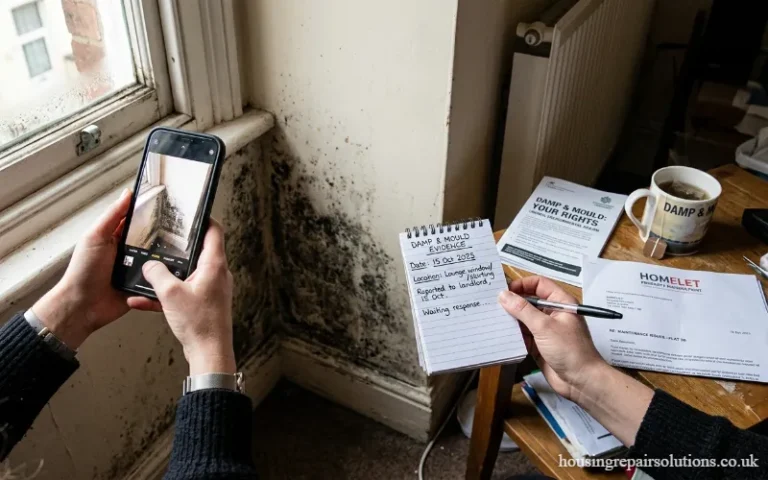
| 4 | Photograph everything | Creates evidence for landlord reports or insurance claims |
| 5 | Clean small patches only | Use dedicated mould remover on hard surfaces; never bleach alone |

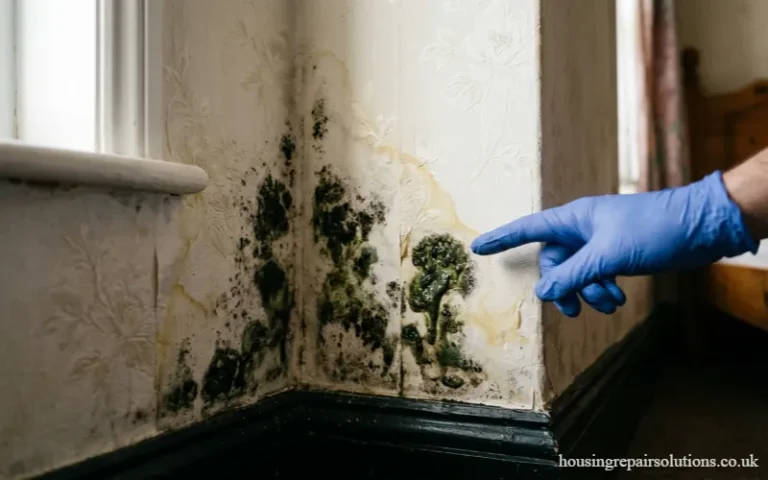
Black mould in house UK often appears as black spots or patches on walls, ceilings, window frames or behind furniture. It thrives in areas with poor ventilation, high humidity and cold surfaces. The latest official guidance confirms that even small amounts can affect respiratory health, especially in children, older people and those with asthma.
Why Black Mould in House UK Must Be Treated Immediately
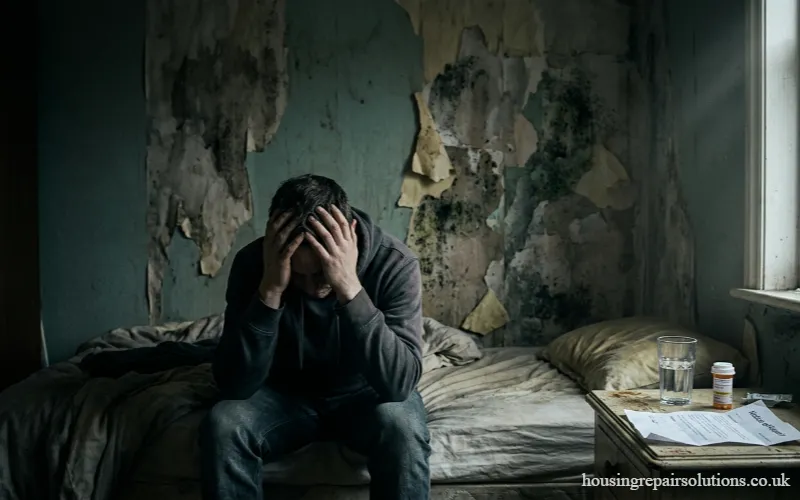
Black mould releases spores that irritate lungs, worsen asthma and cause allergic reactions. Long-term exposure has been linked to serious lung infections in vulnerable individuals. Beyond health, untreated black mould in house UK damages plaster, timber and insulation, leading to higher repair costs and potential legal issues for landlords.
Under the Homes (Fitness for Human Habitation) Act 2018, properties must remain free from hazards that affect health. Persistent black mould qualifies as such a hazard. Tenants who discover black mould in house UK should report it immediately in writing to their landlord. For full details on tenant rights and landlord duties, read our damp and mould claims guide.
Safe DIY Removal for Small Areas of
If the affected area is smaller than one square metre and caused by condensation, you can treat it yourself safely. Choose a dedicated mould and mildew remover rather than household bleach, as bleach often fails to kill the roots. Apply the product according to the instructions, leave it to work, rinse thoroughly and allow the surface to dry completely.
Always work in a well-ventilated space and wear proper protective equipment. Dispose of cleaning cloths and sponges in sealed bags. After cleaning, monitor the area for at least six weeks to ensure the mould does not return.
For larger patches, mould behind wallpaper, or growth on soft furnishings, do not attempt DIY removal. Professional treatment is required to avoid spreading spores and to address the root cause.
When to Call Professionals for Black Mould in House
Contact a qualified mould remediation specialist if the area is larger than one square metre, if mould keeps returning after cleaning, or if you notice a strong musty smell with no visible growth. Professional teams use containment, HEPA filtration and specialist equipment to remove mould safely and prevent recurrence.
Typical costs for professional black mould in house UK treatment range from £200 for a small bathroom to £800 or more for whole-room remediation including plaster replacement. Landlords are usually responsible for these costs when the cause is structural or due to disrepair.
If your landlord fails to act after you report black mould in house UK, you can escalate to your local council environmental health team or explore compensation options using our housing disrepair compensation calculator.
Protecting Your Health While Dealing with Black Mould in House UK
While waiting for repairs or professional treatment, reduce your exposure by improving ventilation, using a dehumidifier and keeping heating consistent. Avoid sleeping in affected rooms if possible. If anyone develops persistent cough, wheezing, eye irritation or skin rashes, see your GP and mention the black mould exposure.
There is no proven medical detox for black mould. The most effective approach remains removing the source of moisture and spores, then following medical advice for any symptoms.
Legal Rights When You Find Black Mould
Tenants have strong protections. Landlords must investigate and fix the cause of black mould in house UK within a reasonable time, especially when health is at risk. Failure to do so can result in enforcement action by the council or compensation claims through the courts.
Keep detailed records of all communications, photographs and any costs you incur (such as dehumidifier running costs). These records are essential if you need to involve the council or make a claim. For tenant-specific advice on housing disrepair, visit our for tenants housing disrepair claims page.
Common Mistakes When Dealing with Black Mould in House UK
Many people paint over mould or use bleach without fixing the moisture source. Others ignore the problem hoping it will go away. Both approaches make the situation worse and can lead to larger repair bills or legal complications. Always address the root cause first, then remove the mould safely.
Regional Differences
Rules are broadly similar across the UK but with slight variations. In England the Homes (Fitness for Human Habitation) Act 2018 applies directly. Scotland uses the Repairing Standard, while Wales has its own fitness requirements. Always check local council guidance if you live outside England.
Prevention After Treating Black Mould in House UK
Once the mould has been removed and the source fixed, maintain good habits to stop it returning. Wipe condensation from windows daily, run extractor fans for 20 minutes after cooking or showering, and leave gaps between furniture and external walls. Our home maintenance checklist provides a practical seasonal routine.
For landlords, regular inspections and prompt repairs protect tenants and reduce long-term costs. For homeowners, improving ventilation and insulation is the best long-term defence against black mould in house UK.
Black mould in house UK does not have to become a major problem if you act quickly and correctly. Follow the immediate steps above, know your rights, and seek professional help when needed. Acting early keeps your home safe, healthy and free from costly damage.
Frequently Asked Questions