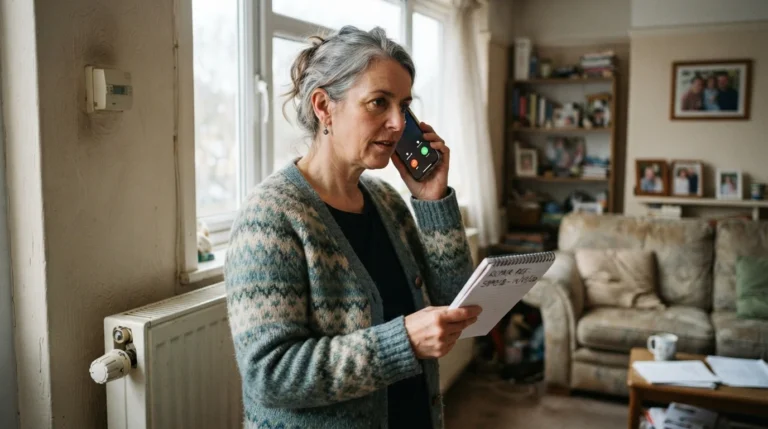


During cold midwinter months, a broken boiler or a black mould issue will need more than sympathy from your landlord. Similarly, if you have a ceiling with trapped water, they should take notice too. It is important for your housing disrepair helpline to listen, be aware of the law, and advise as to what to do next. Across the UK, there are many helplines where you can get help for free and confidentially. Most landlords mistakenly call their tenants first.
Our firm has helped thousands of tenants with their claims. The most important thing you need to know is that the right housing disrepair helpline depends on where you are in your dispute. If you didn’t lodge a complaint with your landlord, you won’t get any far with the Housing Ombudsman. Getting in touch with a claims management company before trying the free routes could lead you to spend money you don’t need to spend. This page contains a list of vital housing disrepair helplines to contact in order of importance.
If you want to understand the potential value of your disrepair situation before you start making calls, our housing disrepair compensation calculator provides a clear, realistic estimate.
Your Step-by-Step Helpline Pathway
Before you dial any housing disrepair helpline, take these three steps. Every adviser you speak to will ask whether you have done them, and having the answers ready saves you time and earns you credibility.

| Step | Action | Why It Matters |
|---|---|---|
| 1 | Report the disrepair to your landlord in writing | Every helpline and legal process requires written proof you gave the landlord a chance to fix the problem |
| 2 | Allow a reasonable time for a response | Courts and the Ombudsman expect 14 days for non-urgent repairs, 24 hours for emergencies |
| 3 | Gather your evidence file | Photographs, dated correspondence, medical records if health has been affected, and a timeline of events |
Once you have completed those steps, the housing disrepair helplines below become your escalation route. Use them in the order shown.
Shelter: The First Housing Disrepair Helpline You Should Contact
Shelter runs the country’s most extensive free housing advice service. The national helpline number is 0808 800 4444, lines open Monday to Friday 8am-8pm, weekends and bank holidays 8am-5pm. The service encompasses England and Scotland. Shelter’s advisers can explain what rights you have under the Landlord and Tenant Act 1985. They can also help you draft a formal letter of complaint, and explain how to access legal aid if applicable.
Shelter provides an emergency helpline for urgent homelessness issues. The helpline runs from 8am to 6pm, Monday to Friday, excluding bank holidays. If you are at risk of being evicted from your place or in danger of being harmed or abused, use this line and do not delay. Those who cannot afford to pay a legal representative themselves can obtain free representation through Shelter’s legal team when being evicted or challenging a homelessness decision (if they pass the legal aid means test).
For private tenants whose landlord has ignored every repair request, our guide for tenants on housing disrepair claims sets out the full legal route available after you have taken initial advice.
The Housing Ombudsman: For Council and Housing Association Tenants
If your landlord is the council or a housing association and you have gone through its internal complaints procedure, the Housing Ombudsman is the next housing disrepair helpline to turn to. You can reach us at 0300 111 3000 for assistance anytime between Monday-Friday from 9am to 5pm. You can also contact us by calling our helpline on 0300 111 3000. Alternatively, you can email info@housing-ombudsman.org.uk or write to us at Housing Ombudsman Service, PO Box 1484, Unit D, Preston, PR2 0ET.
The Ombudsman is objective, free to use and has the power to make your landlord do the repairs, apologise and pay you compensation. It can also make orders against landlords who fail to comply with the Complaint Handling Code when handling complaints. Tenants can contact the Ombudsman directly, once they have completed the landlord’s complaints process, since October 2022. An MP or councillor is no longer needed as a referral.
Most landlords have a complaints procedure. The Consumer Ombudsman will not investigate your complaint unless you complete the procedure. Make sure not to skip it. If the landlord is unwilling to engage or is doing it in a protracted manner, the Ombudsman can still accept your complaint.
For tenants living in council properties who are dealing with damp and mould specifically, our damp and mould claims page explains how to build the strongest possible case.

Local Council Environmental Health: The Statutory Nuisance Route
The Environmental Health Unit of your local council is a housing disrepair helpline with legal powers. As per the Environmental Protection Act 1990, the council has a duty to investigate complaints of conditions that are prejudicial to health or constituted a nuisance. Severe damp, mould, structural hazards, pest infestations are all covered within this.
Finding your local Environmental Health number should be simply a matter of searching for your council’s name followed by the terms “environmental health housing disrepair”. Most councils have a direct line published. As an example, when the disrepair has not been dealt with by the landlord, tenants in Barnet can call 020 8359 7995. The Environmental Health team deals with issues such as dampness and condensation. They must take action if they believe the issues could harm you or cause a nuisance to other people.
When you make the call, have your address ready along with the date of the damage, copies of communications with your landlord, and photos of the situation. Environmental Health officers have the authority to inspect your property, issue improvement notices, and carry out emergency remedial action themselves to bill the landlord in serious cases.
If you are a council tenant and your landlord is also the local authority, our council housing disrepair claims page explains how to navigate the additional complexity.
Citizens Advice: Free, Impartial Guidance on Your Rights
Citizen’s advice is an organisation that offers advice on a variety of topics such as debt, benefits, consumer rights and housing repair. If you give their buyer helpline a call on 0808 223 1133 they can direct you to the appropriate service or, local offices often provide face-to-face meetings about housing issues.
Advisers from Citizens Advice can explain to you about your rights provided by the Landlord and Tenant Act 1985 and the Homes (Fitness for Human Habitation) Act 2018, will help you understand about what repairs that your landlord has to do, and will help you on going through a complaint. Citizens Advice does not offer legal representations, but if you’re not sure whether your matter is actionable disrepair, it’s a good starting point.
Regional Housing Disrepair Helplines Across the UK
Housing law differs between England, Scotland, Wales, and Northern Ireland. The table below sets out the primary housing disrepair helpline for each nation.
| Nation | Primary Helpline | Phone Number | Opening Hours |
|---|---|---|---|
| England | Shelter (free national helpline) | 0808 800 4444 | Mon–Fri 8am–8pm, Sat–Sun 8am–5pm |
| Scotland | Shelter Scotland | 0808 800 4444 | Mon–Fri 9am–5pm |
| Wales | Shelter Cymru (urgent helpline) | 08000 495 495 | Mon–Fri 9am–4pm |
| Northern Ireland | Housing Rights | 028 9024 5640 | Mon–Fri 9.30am–4.30pm |
Shelter Scotland offers the same free national helpline number but with different opening hours tailored to Scottish tenancy law. Scottish housing legislation differs from English law in several important respects, and Shelter Scotland’s advisers are trained specifically in those differences.
Shelter Cymru provides independent and free housing advice and support across Wales. Its urgent helpline is 08000 495 495, open Monday to Friday from 9am to 4pm. Shelter Cymru also holds outreach surgeries across South East Wales for tenants who need face-to-face support.
Housing Rights in Northern Ireland operates a dedicated housing helpline at 028 9024 5640, with advisers available by phone and online chat from Monday to Friday, 9.30am to 4.30pm. The service covers homelessness, private renting, and disrepair issues. Tenants in Northern Ireland should also be aware of the Northern Ireland Housing Executive’s repairs line at 03448 920 901 for NIHE tenants.
Civil Legal Advice and Legal Aid for Housing Disrepair
Housing disrepair claims in which there is a serious risk that you will suffer an illness or injury are eligible for legal aid if your means allow. Qualified tenants have access to free legal advice through the Civil Legal Advice telephone helpline on 0345 345 4 345.
As soon as someone is threatened with homelessness, the Housing Loss Prevention Advice Service (HLPAS) provides free early legal advice on housing, debt and welfare benefits problems to tenants facing the loss of their home. The provision of HLPAS entitles you to free legal representation at court on the day of your hearing from a duty solicitor. There are no means or merits tests.
Tenants who may qualify for legal aid representation in housing cases can call Shelter’s legal aid service directly on 0344 515 1212.
What to Say When You Call a Housing Disrepair Helpline
When you call a housing disrepair helpline adviser, being prepared will ensure you get the right help in the shortest time. Before you call, have following info ready
- Your complete name, location, and contact info.
- The name and address of your landlord or the responsible department or housing association.
- Please provide the date you first reported each disrepair issue in writing, together with a copy of that correspondence.
- I require a timeline of what has happened since, including any inspections, promises made, and dates missed.
- Evidence of the disrepair, preferably in photographs or video, with date stamps.
- Information about any health impact on your household including GPs visits and prescriptions.
If you’re speaking to Shelter, the Housing Ombudsman, or a legal claims expert, a timeline of the disrepair helps the adviser understand the situation quickly.
What Counts as an Emergency That Needs an Immediate Helpline
Certain disrepair situations are so dangerous that you should not wait for a standard housing disrepair helpline to open during office hours. Contact your landlord’s emergency repair line immediately if you face any of the following. If your landlord has no out-of-hours service, call your local council’s emergency duty team.
| Emergency Disrepair Situation | Immediate Action | Who to Call If Landlord Unavailable |
|---|---|---|
| Total loss of heating in winter with vulnerable occupants | Call landlord emergency line now | Local council emergency duty team or Environmental Health |
| Severe water leak or flooding from a burst pipe or roof | Shut off water at stopcock, call landlord | Council out-of-hours emergency number |
| Exposed live electrical wiring or sparking sockets | Do not touch, isolate power at fuse box | Emergency electrician; council if landlord unresponsive |
| Gas leak or smell of gas | Open windows, do not use electrical switches | National Gas Emergency Service on 0800 111 999 |
| Structural collapse or risk of collapse | Evacuate the affected room | Local council building control or emergency services |
Housing Disrepair Helplines and Claims Management Companies: Know the Difference
When you search for a housing disrepair helpline, you will see different adverts and websites offering compensation no win no fee. Claims management companies own these services, so they’re not independent. These companies find a valid means for tenants who cannot pay costly legal fees upfront to receive compensation. Some take a large cut from any awarded compensation, meaning tenants get a fraction as expected.
Public warnings on no win no fee agreements issued by several local councils. The Council of West Lancashire notes many agreements have a success fee clause so that the solicitor may retain up to 25 percent or all of the compensation money. Before signing any document, read all the terms thoroughly so that you know what amount would be deducted from the award.
You should always consult the truly free routes first: Shelter, the Housing Ombudsman, Citizens Advice and Environmental Health. If you decide to take a legal case, check out our no win no fee solicitors page that states what to look for and what to avoid.

What Happens After You Contact a Housing Disrepair Helpline
After speaking with an expert from a housing disrepair helpline, you’ll usually receive a straightforward guide on the next steps. This could involve the sending of a formal letter of claim to your landlord, asking your council’s Environmental Health teams to inspect the property, lodging a complaint with the Housing Ombudsman or being referred to a solicitor.
Do as instructed in the order you are given along with written recordings of every conversation. Jot down the date and the name of the individual you spoke with and what was agreed. Should your situation evolve into an official claim or an investigation by the Ombudsman, those concurrent notes can be used as evidence.
You might also be able to claim for personal injury in your case if the disrepair led you or a family member to become ill. The strongest evidence for this is medical records, particularly GP notes made when you were living with the disrepair.
How Long You Should Expect to Wait for a Resolution
The time it takes to resolve your housing disrepair case depends on the route taken. You can arrange for Inspection in a two to four week time frame for your complaint. The Housing Ombudsman wants to solve cases within six months though taking more time if they are complex. Formal legal claims generally resolve between three to nine months after the letter of claim has been sent. Cases that go to court may take twelve to eighteen months.
It does not matter how you begin, but start. If your claim takes time to resolve, every delay means another day of living in unhealthy and unsafe conditions and paying full rent for a property that is unfit for human habitation.
A Final Word on Housing Disrepair Helplines
By the time someone is looking for a housing disrepair helpline, they are often tired, unwell, and at their wits’ end. You deserve to have a safe home without fighting for it. But if your landlord has left you no choice, the helplines on this page can help you get things fixed.
If you want expert housing advice, Shelter help is free. Report it to Environmental Health if it is a legal nuisance. If you’re a social housing tenant whose complaints process is exhausted, turn to the Housing Ombudsman. Using our contact page will put you in touch with a person who has dealt with thousands of UK housing disrepair claims if you want to discuss your legal options.
We keep a record of what our clients say about working with us on our reviews page. Read them if you are still deciding who to trust with your case.