

Housing Disrepair London
Claims Against Councils and Housing Associations
Reported the damp months ago and nothing has changed? London has the oldest and most densely occupied social housing stock in the country, and more borough landlords than anywhere else. We force the works through and claim compensation for the time you have lived with it.
We act for council and housing association tenants across the capital. Our overview of what a council tenant can claim for sets out the route in full.
Housing Disrepair Across 32 Boroughs
London is not one housing market, it is thirty two separate landlord organisations with their own repairs services, their own contractors, their own complaints procedures and wildly different performance. A tenant in one borough can get a surveyor in a fortnight while a neighbour across a boundary road waits eight months for the same defect.
Layered on top of that is the oldest and most densely occupied social housing stock in the country. Victorian and Edwardian conversions with solid walls, post war estates with concrete panel construction and communal heating, and high rise blocks where a single riser fault affects a column of flats. The legal duties are identical everywhere, but what the defect actually is, and who in the organisation has to act on it, varies enormously.
Borough landlords, each with its own repairs service
Upfront cost to start a claim
Success fee, agreed in writing first
Working Out Who Your Landlord Actually Is
In London this is genuinely harder than elsewhere, and getting it wrong costs months.
Some boroughs still manage their own stock directly. Others transferred it to housing associations years ago. Several ran arm's length management organisations and have since brought the service back in house. On a single estate you can find council tenants, housing association tenants, leaseholders and private renters in neighbouring flats, all with different landlords and different routes.
Your tenancy agreement and rent statement name the landlord, and that is the document that matters rather than whichever organisation answers the repairs line. Where an ALMO or a managing agent delivers the service, the legal landlord may still be the council, and a claim sent to the wrong body loses weeks before anyone corrects it.
We confirm this before anything is issued. If your landlord is a registered provider rather than the borough, the duties are the same but the complaints procedure differs, and our page on claims against housing associations covers how that route works.
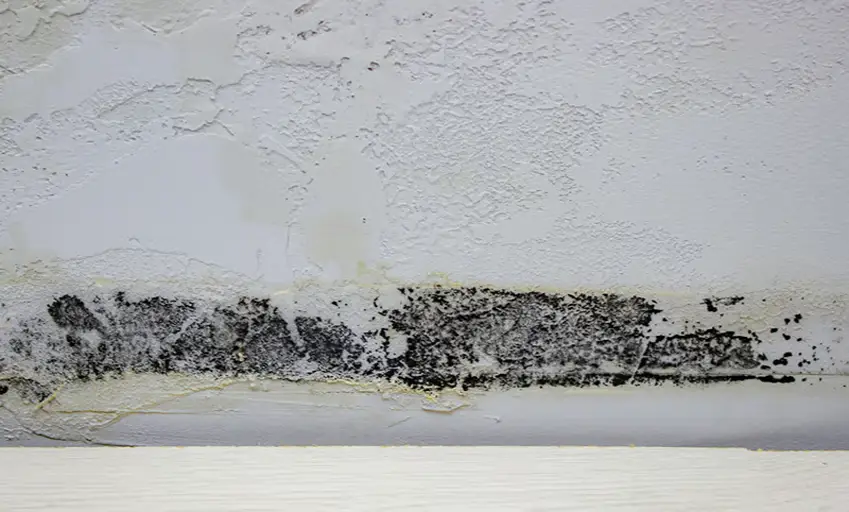
Mould in a solid wall Victorian conversion, a pattern repeated across inner London stock
Your Legal Rights as a London Social Tenant
Section 11 of the Landlord and Tenant Act 1985 requires your landlord to keep the structure and exterior in repair and the installations for water, gas, electricity, sanitation, space heating and hot water in working order. In a block, structure and exterior includes the roof, the communal risers and the shared drainage, which matters a great deal when the water appearing in your flat started somewhere else in the building.
The Homes (Fitness for Human Habitation) Act 2018 added Section 9A, requiring the home to be fit to live in throughout the tenancy rather than only at the start. That matters where no single defect can be pointed at but the property is plainly unfit, for instance where it cannot be heated adequately or where mould has taken several rooms. Our comparison of the two statutory routes and when each applies explains which fits which problem.
Awaab's Law, under the Social Housing (Regulation) Act 2023, binds every borough council and registered provider in London. It replaces the old reasonable time standard with fixed deadlines for investigating serious hazards, confirming findings in writing and starting work, phased in by hazard type. The deadlines are precise and worth knowing exactly, which is why they are set out in one place in our guide to the statutory timescales at each stage rather than summarised differently on every page.
A missed deadline is a breach measured in dates rather than opinion, which makes it one of the most straightforward things to establish, and it sits alongside the repairing and fitness duties rather than replacing either.
When the Defect Is Not in Your Flat
London's density changes the nature of these claims more than anything else.
In a house, a leak is usually in the house. In a London block it frequently is not. Water tracks down from a flat three floors up, enters through a failed roof covering shared by forty homes, or comes from a communal riser that nobody has inspected in a decade. Mould appears at the same wall junction in flat after flat because of cold bridging in the structure, not because forty households all dry washing indoors.
Landlords tend to treat each report as an individual tenant problem, which is exactly why the underlying defect survives. The most useful thing you can do early is find out whether your neighbours have the same issue in the same place. A defect appearing identically across several flats cannot be explained by how any one household lives, and it changes what the survey has to examine.
Where water is involved the source is almost never where the damage shows, and our page on leak and water ingress claims covers how those cases are traced and proved.
Worth Knowing
If three flats in your block have mould in the same corner, that is not three lifestyle problems. It is one structural defect, and saying so explicitly in writing changes how the report is handled.
Mould also establishes itself behind furniture and inside voids before anything is visible, so an inspection that finds nothing proves nothing. Our guide to finding mould you cannot see covers the signs.
Can You Take Legal Action Against Your Borough
Yes, and tenants ask this more often in London than anywhere else, usually because the landlord is also the local authority they rely on for other things. It makes no difference in law. A council acting as a landlord carries the same statutory duties as any other landlord, and it budgets for disrepair claims as a known cost of holding housing stock.
What people are often really asking is whether the distress itself counts, separately from the ruined carpet and the replacement mattress. It does. General damages cover the anxiety, the loss of use of rooms you could not heat or occupy, and the strain of a household living around the worst affected part of a flat. In long running cases that element is usually larger than everything else combined.
It does not require a medical diagnosis either, though one strengthens a separate injury element. Our guide on suing the council for emotional distress sets out how that part of a claim is valued and what the courts actually look at.
Worth Knowing
Tenants itemise the damaged belongings and stop there, treating the years of living in it as something you simply absorb. That is the single most commonly under claimed part of a disrepair case.
Our overview of distress as a head of claim explains the difference between general damages and a personal injury element.
Case Examples From London Social Housing
Illustrative examples of the case types we handle in the capital. Details are composite and do not describe a single identified client. Outcomes appear in our record of settled claims.
Four households in one block report mould in the identical position and each is advised to ventilate better. A survey identifies cold bridging at a structural junction running through all four. A defect shared across a block cannot be a lifestyle problem, and the consistency is what settles it.
Damp appears on an internal wall and is blamed on bathroom use. A survey traces it to a long standing leak in a shared riser serving several flats. Communal pipework is squarely the landlord's responsibility, and the same defect frequently supports claims from neighbouring tenants.
A flat on an estate wide heating system never warms properly while the landlord maintains the network is functioning. System performance is not the legal test. The duty is to provide working space heating to the dwelling, and mould follows the cold within one season.
A stage two complaint is upheld, a modest payment offered, and the complaint closed as resolved while the defect remains. An upheld complaint is strong evidence rather than a remedy, and it typically strengthens the claim that follows it.
Why London Tenants Instruct Us
The costs position is explained on our page about how a claim is funded without payment from you.
We Assess Before We Accept
If the evidence will not carry a claim we say so at the assessment rather than after months of correspondence. An honest no is worth more than a hopeful maybe.
No Win No Fee
Nothing to pay upfront and nothing to pay if the claim does not succeed. The success fee is capped and agreed in writing before anything is signed.
We Identify the Right Landlord
Across thirty two boroughs with transferred stock, ALMOs and managing agents, correspondence sent to the wrong organisation is a common reason claims stall before they start.
Disrepair We Handle Across London
Damp and Black Mould
Solid wall Victorian conversions and concrete framed blocks alike. Logged as condensation almost by default, structural in most cases.
Communal and Riser Leaks
Water tracking down through a block from shared pipework or the flat above. The source is almost never where the damage appears.
Heating and Hot Water
Individual boilers and estate wide communal systems. The duty is to heat your dwelling, not to keep a network technically running.
Unsafe Electrics
Exposed wiring, repeatedly tripping consumer units and water reaching fittings. Especially common in older conversions.
Rodents and Infestations
On estates these travel through shared voids and refuse areas, so treating one flat achieves nothing without the structural work.
Structural and Movement
Clay soils across much of south London make seasonal movement and progressive cracking more common than elsewhere.
Where prolonged damp has affected someone's breathing, the claim can also carry a personal injury element alongside the repair and the general damages.
How a London Disrepair Claim Works
Four stages, nothing to pay at any point unless the claim succeeds. For a rough figure beforehand, try our tool for estimating an award.
Free Assessment
We confirm who your legal landlord actually is, review the repair history, and tell you honestly whether the claim is worth running.
Evidence and Survey
We compile your reports and photographs and instruct an independent surveyor to establish the cause, including sources outside your own flat.
Letter of Claim
A formal letter of claim goes to the landlord's legal team under the pre action protocol, with a schedule of works and a deadline for full disclosure.
Repairs and Settlement
We press for the works to be completed and negotiate damages for the period you lived with the disrepair.
Boroughs and Landlords We Cover
We act for social housing tenants in every London borough. Where we have a dedicated page for your borough or your landlord, it covers the local repairs and complaints position in detail.
If your borough is not listed, we still act for you. We do not take private rented sector, leaseholder or shared ownership claims.
The Evidence That Decides a Claim
What to Gather Now
- Every job reference number, with the date reported and whether the same defect has been attended before.
- Whether neighbours have the same problem, which on a block points straight at a communal or structural cause and is often decisive.
- Your tenancy agreement, which names the legal landlord and settles the question of who the claim goes to.
- GP records where damp or cold has triggered or worsened a condition in the household.
What Most People Get Wrong
Tenants think they have to prove what is causing the damp. They do not. That is the surveyor's job. What has to be proved is notice, meaning the landlord knew, and every job reference does that work.
The second mistake in a block is treating it as your problem alone. If it is happening to others, say so in writing, because it changes what the landlord has to investigate.
Housing Disrepair London, Common Questions
Can I sue my London borough council for housing disrepair
Yes. A council acting as a landlord carries the same statutory duties as any other landlord and has no additional protection. General damages for the distress and loss of use of your home are a standard part of the claim rather than a separate action, and our guide on suing the council for emotional distress explains how that element is assessed.
How do I find out who my landlord actually is
Your tenancy agreement and rent statement name the legal landlord, and that is the document that matters rather than whoever answers the repairs line. In London it is common for an ALMO or managing agent to deliver the service while the council remains the landlord. We confirm it before anything is issued.
The damp is coming from the flat above or a communal pipe
That remains your landlord's responsibility. Communal pipework, risers, roofs and shared structure all fall within the repairing duty, and tracing the true source is part of what the independent survey does rather than something you have to establish yourself.
My neighbours have exactly the same problem
Raise that explicitly and in writing. A defect appearing in the same position across several flats cannot be explained by how any one household lives, and it usually indicates cold bridging or a shared fault. It also makes the landlord's condensation explanation much harder to sustain.
What should I do first if repairs are being ignored
Report in writing rather than by phone, name the room and the wall, and say explicitly that the problem is recurring. Keep the reference number. If nothing moves, raise a formal complaint rather than another repairs report, because a complaint forces a dated reviewable response. Our guide to wording a complaint so it cannot be closed off covers how.
Should I go to the Housing Ombudsman or instruct a solicitor
They achieve different things. The Ombudsman can find maladministration and order a remedy once the complaints procedure is exhausted, while a claim enforces the repair with a schedule of works and recovers damages. Our comparison of the two routes sets out which suits which situation.
Can I be evicted for bringing a claim
Bringing a disrepair claim is not a ground for possession. A secure council tenant or assured housing association tenant can only be removed through the courts on a statutory ground, and complaining about the condition of your home is not one of them.
Is there a time limit on a London claim
Generally six years from when the disrepair began and three years for any personal injury element. On a long tenancy the earliest and often worst period may already fall outside the window even though the defect continues.
Housing Disrepair Services in London and What They Actually Do
Searches for housing disrepair services in London turn up a mix of solicitors, claims management companies and lead generators, and the differences between them matter more than the marketing suggests. A claims management company does not conduct the litigation, it passes your case to a firm and takes a cut. What you want to establish early is who will actually be running the claim and whether they are regulated to do so. The people who would act for you are introduced on our page about the practice.
What a Disrepair Service Should Cover
At minimum it should include an independent survey funded by the firm rather than the tenant, a letter of claim issued under the pre action protocol, disclosure of the landlord's full repair history, and a schedule of works with dates attached rather than a vague commitment to attend. If a service is only pursuing compensation and not the repair itself, you will have money and the same damp wall. Our walkthrough of how a claim is built sets out each stage.
Damp, Pests and Why They Travel Together
Tenants often ask whether one firm can deal with both damp and an infestation, because in London blocks the two arrive as a pair. The same structural gaps that let water in let rodents in, and shared refuse areas and voids give them a route between flats. They are not separate claims, they are two symptoms of the same failure to maintain the building fabric, and both belong in one set of proceedings. Our page on pest infestation claims explains where the landlord's responsibility starts and ends.
Use the Complaints Procedure, With a Deadline
Raising a formal complaint is worth doing. It forces dated responses at defined stages, puts someone above the repairs desk in front of the file, and the Housing Ombudsman will expect it to have been completed. Where tenants lose ground is staying inside it indefinitely while each stage response buys another month. Give it the published deadlines plus a short margin and treat a second missed stage as the point to escalate rather than the point to complain again.
Know Who Else Can Act
The council is not the only body involved, even where it is your landlord. Environmental health can act on serious hazards in the authority's own stock, which surprises most people, and councillors can escalate internally for constituents. Neither replaces a claim but both add pressure, and our overview of the organisations that can act against a landlord explains what each can actually do.
Do Not Clean the Evidence Away
One practical point while a claim is live. Washing mould off a wall removes the proof and changes nothing about the cause, which sits in the structure. Photograph thoroughly before touching anything and leave affected areas alone until the survey is done. Internal treatments applied over an unresolved defect fail within a season, as our guide to why internal damp treatments rarely hold explains.
What You Actually Recover
A successful claim has two halves and the first is consistently underestimated. The works are enforced, normally under a schedule with dates attached, so the defect is resolved rather than covered again. Damages then cover the period you lived with it, calculated largely as a proportion of the rent paid, plus belongings ruined by damp or water, plus any injury element. How those figures are reached is set out in our explanation of how a disrepair award is worked out.
If your repair has been outstanding for months, or the same job keeps being closed and reopened, get it assessed rather than wait for another winter. Contact our team and we will tell you within 24 hours whether the claim is worth running.
Start Your London Claim
Free assessment. No obligation. Every London borough covered.
Start Free Assessment → 📞 Call 07460 754041Submit Your Enquiry
Use the quick form to send your details directly.
Claim Pages
Ready to Get the Repairs Done
Free assessment, no obligation, and an honest answer about whether your claim is worth running.
What Could Your Claim Be Worth
Damages depend on how long the disrepair has run, the rent paid during it, the belongings damaged and the effect on your household. We give you a realistic range once we have seen the evidence, not before.
Use the compensation calculator