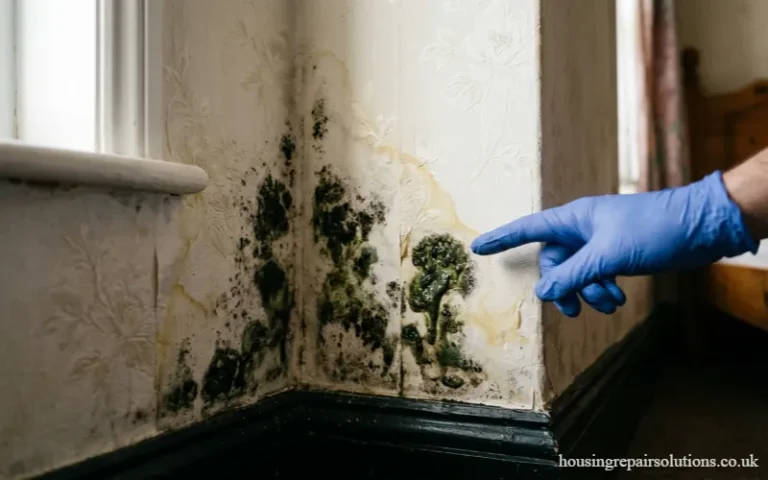

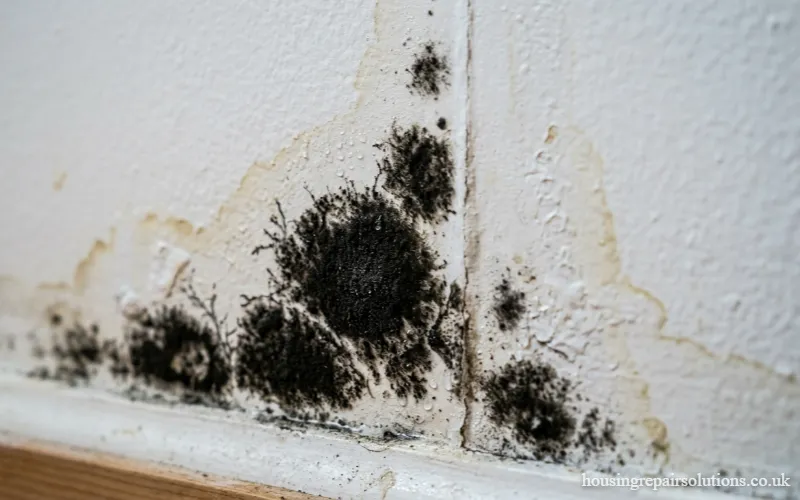
Mould is far more than an unpleasant stain on your wall or a musty smell in the bathroom. When certain species of mould take hold in damp indoor environments, they release microscopic spores and chemical compounds called mycotoxins into the air you breathe every day. For many people, these toxins can trigger a cascade of health problems that are often misdiagnosed or overlooked entirely.
If you have been feeling unwell without a clear explanation, mould toxicity could be the hidden culprit. Below is a quick reference summary of the most common warning signs, followed by a detailed breakdown of each.
Summary Table: 10 Warning Signs of Mould Toxicity
| # | Warning Sign | Key Symptoms |
|---|---|---|
| 1 | Persistent Fatigue | Exhaustion that rest does not fix; post-exertional malaise |
| 2 | Brain Fog & Cognitive Issues | Trouble concentrating, memory lapses, confusion, disorientation |
| 3 | Chronic Sinus Congestion | Stuffy nose, sinus pressure, post-nasal drip that never clears |
| 4 | Respiratory Problems | Wheezing, shortness of breath, chronic cough, asthma flare-ups |
| 5 | Headaches & Migraines | Recurrent headaches, often accompanied by dizziness or light sensitivity |
| 6 | Skin Rashes & Irritation | Unexplained rashes, hives, dry or itchy skin |
| 7 | Eye Irritation | Red, watery, itchy eyes; blurred vision; light sensitivity |
| 8 | Joint & Muscle Pain | Aching joints, muscle cramps, general weakness without inflammatory arthritis |
| 9 | Digestive Disturbances | Nausea, diarrhoea, stomach cramps, IBS-like symptoms |
| 10 | Mood Changes & Anxiety | Depression, anxiety, irritability, sleep disturbances |

1. Persistent Fatigue That Rest Cannot Fix
One of the earliest and most common symptoms of mould exposure is a deep, unrelenting fatigue. This is not the normal tiredness you feel after a long day. It is the kind of exhaustion that leaves you struggling to get out of bed in the morning, even after a full night of sleep.
In our research into mould-related illness, we have seen countless reports of people who describe feeling as though their body is constantly fighting something. That is essentially what is happening. When mycotoxins enter your system, your immune response kicks into overdrive, draining your energy reserves. Over time, you may also experience post-exertional malaise, where even light activity leaves you completely wiped out for hours or days afterward.
2. Brain Fog & Cognitive Dysfunction
The term “brain fog” gets used casually, but in the context of mould toxicity, it is a genuinely debilitating symptom. Extended exposure to mould has been linked to short-term memory loss, lightheadedness, dizziness, and loss of cognitive functions.
You may find yourself forgetting simple things: where you put your keys, what you walked into a room for, or even words mid-sentence. Concentration becomes difficult, and you might feel disoriented or confused in situations that used to feel routine. Functional medicine practitioners increasingly recognise brain fog as one of the hallmark signs of mould poisoning.
3. Chronic Sinus Congestion
If you have a constantly blocked or runny nose that never seems to clear up, mould could be the reason. Mould spores are airborne irritants. When you inhale them, they settle in your nasal passages and sinuses, triggering inflammation and excess mucus production.
Unlike seasonal allergies that come and go, sinus issues caused by indoor mould exposure tend to be persistent. You might notice that your symptoms improve when you leave your home for a few days and worsen when you return. This pattern is a strong indicator that something in your indoor environment is the trigger.

4. Respiratory Problems
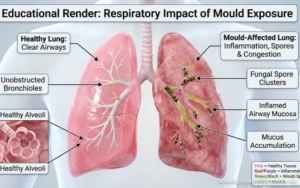
The respiratory system bears the brunt of airborne mould exposure. Symptoms can range from mild to severe and may include wheezing, shortness of breath, chest tightness, and a chronic cough that never quite goes away.
For people with asthma, mould exposure is particularly dangerous. Inhaling mould spores can trigger asthma attacks and may increase a person’s risk of developing asthma in the first place, especially in young children. If you or a family member have noticed breathing difficulties that seem worse at home, it is worth investigating for hidden mould.
5. Headaches & Migraines
Recurrent headaches are another frequently reported sign of mould sickness. Chronic exposure to mould can lead to headaches that range from dull and persistent to full-blown migraines, often accompanied by dizziness or sensitivity to light.
These headaches may not respond well to over-the-counter pain relief because the root cause is not being addressed. In our experience reviewing case studies, people often report that their headaches diminish significantly once the source of mould is removed and they begin detoxification.
6. Skin Rashes & Irritation
Your skin is your largest organ, and it can react visibly to mould toxicity. Unexplained rashes, hives, dry patches, and general skin irritation are common complaints among those exposed to toxic mould.
The NHS notes that inhaling or touching mould spores may cause an allergic reaction, including skin rash. However, with mould toxicity rather than a simple allergy, the reaction is caused by mycotoxins circulating in your system, not just surface contact. This means rashes may appear on areas of the body that never directly touched mould.
7. Eye Irritation & Vision Changes
Red, watery, itchy eyes are classic signs of mould exposure. In more severe or prolonged cases, individuals report blurred vision and increased sensitivity to light. The NIEHS lists blurred vision and eye irritation among the allergic reactions to mould spore exposure.
When exposure is constant, you might develop conjunctivitis-like symptoms that do not respond to standard eye drops. If your eyes are persistently irritated and you cannot identify another cause, check your environment.
8. Joint & Muscle Pain
One of the more surprising signs of mould poisoning is joint and muscle pain. People often describe deep aching in their joints, muscle cramps, and general weakness that mimics fibromyalgia or chronic fatigue syndrome.
This happens because mycotoxins can trigger systemic inflammation throughout the body. The inflammatory response can settle in joints and muscle tissue, causing discomfort that moves around the body and varies in intensity. Notably, this pain typically occurs without the inflammatory markers seen in conditions like rheumatoid arthritis.
9. Digestive Disturbances
Mould toxicity does not only affect your respiratory system. It can also disrupt your digestive health. Symptoms may include nausea, vomiting, diarrhoea, stomach cramps, and IBS-like patterns.
Mycotoxins can be ingested as well as inhaled. Certain foods such as grains, coffee beans, nuts, and dried fruits are prone to mould contamination. If you are already sensitised to mould, consuming these foods may compound your symptoms. Digestive issues linked to mould often improve when dietary sources of mycotoxins are eliminated alongside environmental remediation.
10. Mood Changes, Anxiety & Depression
Perhaps the most overlooked consequence of mould exposure is its impact on mental health. Studies have associated prolonged mould exposure with increased levels of depression, anxiety, and stress in both children and adults.
People living in mould-affected homes often report feeling irritable, emotionally fragile, or inexplicably low. Sleep disturbances are also common. These mood changes are not simply a psychological reaction to feeling unwell. Mycotoxins can directly affect neurological function and neurotransmitter balance, making mental health symptoms a physiological response to toxicity.
Mould Allergy vs. Mould Toxicity: Understanding the Difference
A common point of confusion is the distinction between a mould allergy and mould toxicity. They are not the same thing.
A mould allergy occurs when your immune system overreacts to mould spores, producing histamine and causing typical allergic symptoms: sneezing, runny nose, itchy eyes, and coughing. These symptoms tend to come and go with exposure and often improve with antihistamines.
Mould toxicity, sometimes referred to as mould illness or mycotoxicosis, is a different mechanism. It results from exposure to mycotoxins, the toxic chemical compounds produced by certain mould species. In mould toxicity, the individual is typically unable to clear mycotoxins from their body effectively, leading to a build-up of toxins that affects multiple body systems. The symptoms are broader, more persistent, and do not respond to allergy medications.
In severe cases, mould toxicity can develop into Chronic Inflammatory Response Syndrome (CIRS), a multi-system inflammatory condition triggered by biotoxins in genetically susceptible individuals.
How to Test for Mould in Your Home
If you recognise several of the warning signs above, testing your environment is a critical next step. Home mould testing options include:
| Testing Method | Description | Best For |
|---|---|---|
| Visual Inspection | Look for dark spots on walls, ceilings, around windows, under sinks | Obvious mould growth |
| Bleach Test | Mix 1 part bleach to 1 part water; spray on suspect area; if it lightens, mould is present | Quick confirmation |
| Home Test Kit (Petri Dish) | Expose agar plate to air or swab a surface; incubate for 48 hours | Affordable DIY screening |
| Air Sampling | Professional device draws air across a slide to capture spores | Detecting airborne spores |
| ERMI/HERTSMI-2 Dust Test | Lab analyses dust sample for mould species and mycotoxin levels | Comprehensive professional assessment |
| Professional Inspection | Certified mould inspector uses moisture metres, thermal imaging, and lab analysis | Definitive diagnosis |
The CDC does not recommend routine air sampling for mould in building air quality evaluations, as there are no health-based standards for mould levels in indoor air. However, if you are experiencing symptoms and suspect hidden mould, professional testing can help identify the source.
Steps to Recovery: What to Do If You Have Mould Toxicity
Recovery from mould toxicity involves two parallel pathways: removing the source and supporting your body to heal.
Step 1: Remediate Your Environment. The most important step is eliminating ongoing exposure. For small areas of mould (less than one square metre), you may be able to clean it yourself using soap and water or a fungicidal wash. Always wear gloves, a face mask, and open windows for ventilation. Porous materials like carpet, ceiling tiles, and drywall that have become mouldy will need to be removed and replaced entirely.
For larger infestations or if mould is hidden behind walls, professional mould remediation is essential. Simply painting over mould or wiping away visible growth will not solve the problem if the underlying moisture issue remains.
Step 2: Support Detoxification. Once exposure is addressed, recovery focuses on supporting the body’s natural detoxification pathways. This may include binders such as activated charcoal to support toxin elimination, sauna therapy, and nutritional support for liver function. Work with a healthcare provider experienced in mould-related illness, as detoxification protocols should be personalised to your situation.
Step 3: Prevent Future Growth. Prevention centres on moisture control. Keep indoor humidity below 50% using dehumidifiers or air conditioning. Fix plumbing leaks promptly. Ensure bathrooms and kitchens are well-ventilated with extractor fans. Dry any water-damaged areas within 24 to 48 hours to prevent mould from taking hold.
Frequently Asked Questions