

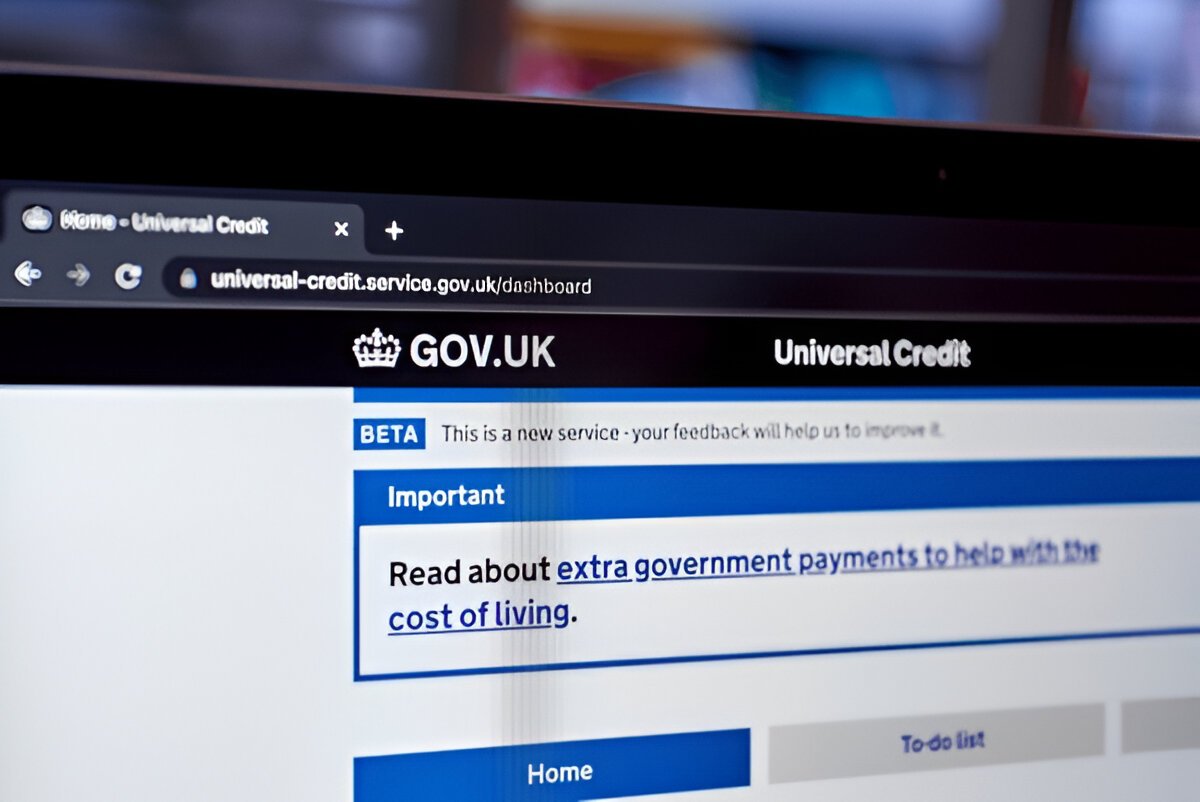
If you are trying to work out how much housing benefit you could get in 2026, you are not alone — and you are asking at exactly the right moment. The UK benefits system has just gone through its biggest overhaul in a decade. Legacy housing benefit for most working-age claimants has now ended, LHA rates are frozen again, and the Universal Credit migration programme reached its final phase in early 2026.
This updated guide explains exactly what has changed, who can still claim housing benefit, how the housing benefits calculator works in 2026, and where to check your full entitlement right now.
The Most Important 2026 Update: What Has Actually Changed
Before anything else, you need to know where you stand in this new landscape.
| Change | What It Means for You |
|---|---|
| Legacy housing benefit ended (April 2026) | Most working-age claimants have moved to Universal Credit |
| LHA rates frozen again for 2026–27 | Rates fixed at April 2024 levels — no uplift despite rising rents |
| UC migration deadline extended | Some ESA and Housing Benefit claimants get until late summer 2026 |
| Two-child limit removed (April 2026) | Families can now claim for third and subsequent children born after April 2017 |
| UC standard allowance rising | Above-inflation increases confirmed for 2026–2030 |
| New Crisis and Resilience Fund | Replaces Discretionary Housing Payments from April 2026 |
January 2026 marked the final stage of the Universal Credit managed migration programme, with the DWP issuing the last set of mandatory migration notices to claimants still receiving legacy benefits such as Housing Benefit for working-age households. These notices legally required claimants to move to Universal Credit within the deadline provided.
If you received a migration notice and have not yet acted, read the section on deadlines below immediately.
Who Can Still Claim Housing Benefit in 2026?
Housing Benefit helps pay your rent if you are a tenant with a low income. You can get it whether you rent privately or live in social housing. The amount you get depends on your income, savings, and circumstances. It could cover all your rent or some of it.
However, who can actually claim has significantly narrowed in 2026:
| Claimant Type | Can Still Claim Housing Benefit? |
|---|---|
| Working-age new claimants | No — must claim UC housing element instead |
| Existing legacy housing benefit (working-age) | Claim ended April 2026 unless in supported/temporary housing |
| Pensioners (state pension age) | Yes — Housing Benefit continues as before |
| Supported or temporary accommodation residents | Yes — Housing Benefit continues regardless of age |
| ESA claimants with migration extension | Deadline extended to late summer 2026 |
Most legacy benefits stopped in April 2026. If you are getting a legacy benefit, you should have received a migration notice by now. You need to move to Universal Credit to keep getting financial support.
If your housing benefit has already stopped because you missed a migration notice, contact the DWP immediately. You may be eligible to reclaim Housing Benefit within 3 months if your Housing Benefit is stopped and you have not claimed Universal Credit.
LHA Rates 2026–27: Frozen Again — What This Means for You
The single biggest practical issue for private renters in 2026 is the Local Housing Allowance freeze.
The LHA rates from 1st April 2026 have been determined in accordance with The Rent Officers (Housing Benefit and Universal Credit Functions) (Modification) Order 2026 and are the same rates that came into force on 1st April 2024.
In plain terms: for 2026–27, all LHA rates have been frozen at the rate last determined on 31st January 2024, which was the 30th percentile of market rents at that time.
With private rents continuing to rise across the UK, this freeze creates a growing gap between what the housing allowance covers and what landlords are actually charging. This means:
- More private renters must top up their rent from their own income
- The maximum housing benefit for private tenants is lower in real terms than it was two years ago
- The housing allowance calculator may return figures that do not cover your actual rent
If your benefit does not cover your full rent in 2026, apply to your local council for the new Crisis and Resilience Fund housing payment, which replaces the old Discretionary Housing Payment system from April 2026.
How to Calculate Housing Benefits in 2026: Step-by-Step
Understanding the calculation helps you use any benefit calculator UK more effectively — and helps you spot if you are being underpaid.
Step 1: Identify Which System Applies to You
- Pension-age claimant or supported/temporary housing: You use the legacy Housing Benefit system, administered by your local council
- Working-age claimant: Your housing costs are covered by the housing element of Universal Credit, administered by the DWP
Both systems use the same Local Housing Allowance rates for private tenants. The rules and payment methods differ.
Step 2: Find Your LHA Rate Using the Bedroom Entitlement Calculator
Your housing allowance depends on how many bedrooms you are entitled to — not necessarily how many you have.
| Household Composition | Bedrooms Entitled To |
|---|---|
| Single person under 35 | Shared accommodation rate only |
| Single person aged 35 or over | 1 bedroom |
| Couple with no children | 1 bedroom |
| Single parent, 1–2 children | 2 bedrooms |
| Family with 3+ children | 3 bedrooms (subject to sharing rules) |
| Households needing overnight carer | Extra room may apply |
Use the LHA Direct bedroom calculator at lha-direct.voa.gov.uk to confirm your entitlement, then look up your area’s LHA rate for 2026–27. Remember these are frozen at April 2024 levels.
Step 3: Apply the Bedroom Tax (Social Housing Tenants Only)
If you rent from a council or housing association and have rooms the DWP considers spare, your eligible rent is reduced. Use a bedroom tax calculator to work out the impact:
| Spare Bedrooms | Eligible Rent Reduction |
|---|---|
| 1 spare bedroom | 14% deducted from eligible rent |
| 2 or more spare bedrooms | 25% deducted from eligible rent |
Pension-age tenants are exempt from the bedroom tax entirely.
Step 4: Check the Savings Rules (Housing Benefit and Savings 2026)
Savings affect your entitlement directly. The thresholds remain unchanged for 2026–27:
| Your Age | Savings Under This Amount | Savings £6,001–£16,000 | Savings Over £16,000 |
|---|---|---|---|
| Working-age | No effect (under £6,000) | Tariff income: £1/week per £250 over £6,000 | Not eligible |
| Pension-age | No effect (under £10,000) | Tariff income: £1/week per £500 over £10,000 | Not eligible (unless on Pension Credit guarantee) |
Step 5: Use a UK Benefits Calculator for Your Final Estimate
The calculation involves income testing, applicable amounts, non-dependent deductions, and local authority rules that vary across England, Scotland, Wales, and Northern Ireland. The most accurate way to get your figure is to use a benefit entitlement calculator with your actual details.
Best Benefit Calculators UK 2026: Where to Check Right Now
| Calculator | Best For | URL |
|---|---|---|
| Turn2us Benefits Calculator | Full housing benefit and UC housing element estimate | turn2us.org.uk |
| entitledto | Detailed benefit entitlement calculator across all benefit types | entitledto.co.uk |
| Gov.uk Benefit Checker | Quick eligibility check and links to official guidance | gov.uk |
| LHA Direct Bedroom Calculator | Find your bedroom entitlement and current LHA rate | lha-direct.voa.gov.uk |
| UC Calculator (salaryaftertaxuk) | Full Universal Credit estimate including housing element | salaryaftertaxuk.co.uk |
| Citizens Advice Scotland CTR Tool | Benefits calculator Scotland — council tax reduction checker | checkmycounciltax.scot |
Before using any housing benefits calculator or housing benefit and council tax benefit calculator, have the following ready:
- Your actual weekly or monthly rent
- Household income including wages, pensions, and other benefits
- Total savings, investments, and any second property values
- Everyone who lives in your home, their ages and relationships
- Your postcode (essential for LHA rate lookup)
- Any disability benefits you or your partner receive
Benefits calculator NI: Northern Ireland uses a Rate Rebate system rather than Council Tax Reduction. Apply through nidirect.gov.uk using the Rate Relief application route.
How Much Housing Benefit Will I Get in 2026? Real Scenarios
| Scenario | Rent Paid | LHA Cap | Other Factors | Likely Outcome |
|---|---|---|---|---|
| Single private tenant, age 38, no children, low income | £850/month | 1-bed LHA rate for their area (frozen at 2024 levels) | Under 35 rule does not apply | HB/UC housing element up to LHA rate only — shortfall likely if rent is above LHA |
| Pensioner couple, private rented, on Pension Credit guarantee | £750/month | LHA cap applies | No bedroom tax | Maximum housing benefit — full LHA rate covered |
| Family of 4, housing association, 3-bed property, 1 spare room | £110/week | No LHA cap (social housing) | 14% bedroom tax reduction applies | Eligible rent reduced to ~£94.60/week for HB calculation |
| Single parent, 2 children, Universal Credit, private rented | £900/month | 2-bed LHA rate | Two-child limit now removed | UC housing element up to 2-bed LHA rate for area |
If you get the guarantee part of Pension Credit, you will get the maximum amount of Housing Benefit — but this will not necessarily cover all of your rent. With LHA rates frozen again in 2026, the gap between the benefit cap and actual market rents has widened further.
How to Get Council Tax Benefit in 2026
Council tax reduction is separate from housing benefit — and many people miss out on it entirely. Your bill could be reduced by up to 100%. You can apply if you own your home, rent, are unemployed, or working.
Key discounts available in 2026:
| Discount | Amount | Who Qualifies |
|---|---|---|
| Single person discount | 25% automatic | Only one adult aged 18+ in the property |
| Council Tax Reduction (CTR) | Up to 100% | Low income — working or not, renting or owning |
| Disability band reduction | One band lower | Disabled person in household with adapted facilities |
| Student exemption | Usually 100% | Full-time students |
| Severe mental impairment | 100% disregard for that person | Applies to person with qualifying condition |
Use a council tax support calculator at your local council’s website or through entitledto.co.uk. Apply through your council online or in person — do this as soon as possible, as support is generally backdated only to your application date.
Important regional differences for 2026:
In Wales, Scotland, and Northern Ireland, the amount of Council Tax Support or Reduction has not changed and residents can still receive help up to the amount of their full Council Tax charge. In England, many councils have reduced the amount of support available for working-age people.
Benefits calculator Scotland 2026: Scotland has its own national CTR scheme with different rules. Working-age Scots should use the Citizens Advice Scotland checker at checkmycounciltax.scot alongside the standard UK benefits calculator tools.

Universal Credit Migration: What You Must Do Right Now
If you are still on legacy housing benefit and have received — or are expecting — a migration notice, the single most important thing you can do is act before your deadline.
Those still receiving income-related ESA and some Housing Benefit claims may now have until the end of the summer 2026 to move across. If you do not apply before your final deadline, your existing legacy benefits may stop completely, leaving a gap in your income until a new claim is processed.
Your UC migration checklist:
| Step | Action |
|---|---|
| 1 | Read your migration notice carefully and note the exact deadline |
| 2 | Gather your National Insurance number, bank details, rent details, and household income information |
| 3 | Use a UC calculator to estimate your new monthly payment before you apply |
| 4 | Claim Universal Credit at gov.uk/universal-credit before your deadline |
| 5 | Check whether you qualify for Transitional Protection to avoid a drop in income |
| 6 | If you need help, contact the Move to UC helpline or request a home visit |
If you have yet to be moved over, you will receive a letter in the post. This will give you a three-month deadline to move across to Universal Credit — after this point, your existing benefits will be stopped.
New in April 2026: Changes That Could Increase Your Entitlement
Several positive changes came into effect in April 2026 that may mean you are now entitled to more than before:
Two-Child Limit Removed: The two-child limit is being removed, allowing parents to claim for third and subsequent children born after April 2017. Working families with three or more children will also see an increase in the maximum Universal Credit childcare costs they can claim.
UC Standard Allowance Rising: The standard allowance of Universal Credit will see above-inflation increases in each year between April 2026 and 2030 for all claimants.
Free School Meals Expansion (September 2026): Free school meal eligibility expands in September 2026 to all children in households receiving Universal Credit in England — the earnings threshold is removed, meaning many lower-income families gain automatic entitlement.
Crisis and Resilience Fund: From April 2026, councils administer the new Crisis and Resilience Fund to support low-income households struggling with essentials, replacing the Household Support Fund and Discretionary Housing Payments. It includes a crisis payment for financial shocks and a housing payment for rent-related costs.
How Much Housing Benefit for a Single Person Over 35 in 2026?
This is one of the most searched questions — and the answer depends on your area.
For a single person aged 35 or over without dependent children renting privately, your maximum housing benefit or UC housing element is the 1-bedroom LHA rate for your Broad Rental Market Area (BRMA). This rate is frozen at April 2024 levels for 2026–27.
You can find your exact rate by:
- Going to lha-direct.voa.gov.uk
- Entering your postcode and household details
- Selecting the 1-bedroom category
Your actual payment will then be reduced if your income exceeds your applicable amount or your savings are above £6,000 (working-age) or £10,000 (pension-age).
Council Tax Calculator 2026: What Are the Current Band Rates?
England and Scotland use council tax bands A–H based on 1991 property values. Wales uses bands A–I based on 2003 values. Northern Ireland uses the separate Domestic Rates system.
Average Band D rates for 2025–26 (2026–27 figures vary by council):
| Region | Approx. Annual Band D Rate |
|---|---|
| England (average) | £2,171 |
| Scotland (average) | £1,418 |
| Wales (average) | £2,008 |
| London (average) | Lower than England average due to business rates |
| Northern Ireland | Separate Domestic Rates system |
Use the council tax calculator at ukcalculator.com for a 2026–27 estimate based on your area and band — it includes all current discount schemes including single person discount, CTR, and disability band reduction.
Frequently Asked Questions
.
Take Action Today: Your 2026 Benefits Checklist
With the benefits system having changed so significantly this year, it is worth running a full check even if you did one recently. Rates have changed, rules have changed, and new entitlements have opened up.
| Action | Why It Matters |
|---|---|
| Run a full calculation on Turn2us or entitledto | Catch any entitlement you are missing |
| Check your LHA rate at lha-direct.voa.gov.uk | Confirm your area’s 2026–27 frozen rate |
| Apply for CTR through your local council | Up to 100% off your council tax bill |
| Check your UC migration status if on legacy benefits | Missing your deadline stops payments entirely |
| Apply for the Crisis and Resilience Fund if your benefit does not cover rent | New fund replaces DHPs from April 2026 |
| Recheck if your household or income has changed in 2026 | Two-child limit removal may now entitle you to more |
Research by Policy in Practice indicates that £24 billion in benefits goes unclaimed annually across the UK. The support exists — but only if you claim it.
If you are a tenant dealing with disrepair alongside financial pressure, the two issues are linked. A landlord who fails to maintain your home may be responsible for repair costs and compensation. Read our guide to housing disrepair claims to understand your rights, or see our guide on council rehousing after eviction if your housing situation is at risk. If you need legal help at no upfront cost, our no win no fee solicitors guide explains how to access specialist housing legal support without financial risk.